

The Neolithic (New Stone Age) and Chalcolithic (Copper Age) phases were two important periods in history. These eras brought huge changes in human lives, including farming, settling in one place, and using both stone and metal tools.
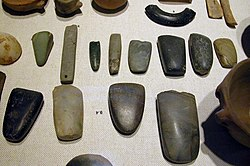
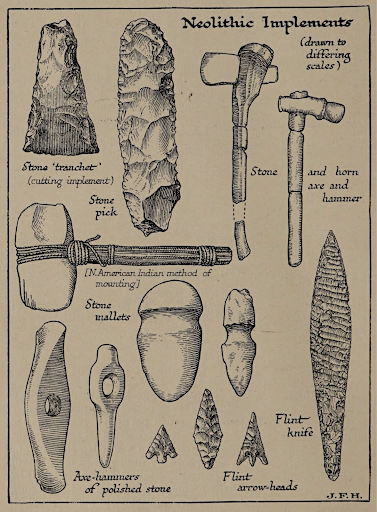
Neolithic Phase
The Neolithic period marks the final stage of the Stone Age, following the Palaeolithic and Mesolithic periods.
-
- It is defined by the emergence of polished stone tools, agriculture, and animal domestication, along with permanent settlements and new housing patterns.
- Early Neolithic cultures appear in the Fertile Crescent, Egypt, Mesopotamia, the Indus region, the Ganges valley, and China, with agriculture developing between 10,000 and 5000 BCE, leading to significant cultural advancements.

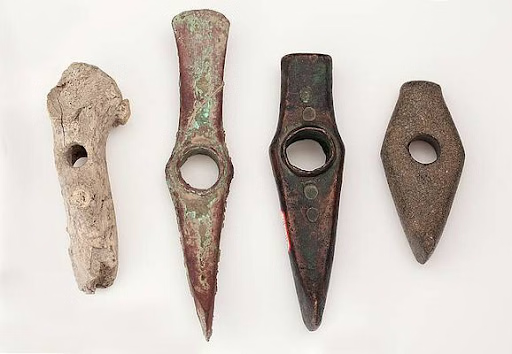
Chalcolithic Phase
The Chalcolithic Age in India, also called the Copper-Stone Age, marks a transitional phase between the Neolithic and Bronze Age.
- People began using copper along with stone tools for agriculture, crafts, and weapons.
- By the second millennium BCE, several regional cultures emerged, including the Banas culture in Rajasthan, Kayatha culture in Madhya Pradesh, and Jorwe culture in Maharashtra.
Key Difference in Simple:
- Neolithic = New Stone Age → Polished stone tools, farming begins, no metals.
- Chalcolithic = Copper-Stone Age→ Stone + copper tools, advanced farming, trade, and craft.
Neolithic Age of Prehistoric Period
- Developed in the Holocene epoch, after the Mesolithic period.
- Marks the Neolithic Revolution: beginning of agriculture, animal domestication, and permanent settlements.
- Humans shifted from foragers to producers, controlling the natural environment.
- Tools were made using pecking, grinding, and polishing of igneous rocks.
- Tools became more durable and time-consuming to make.
- Ceramics/pottery appeared, used for storage, cooking, and rituals.
- Settlements became permanent villages, indicating early social organization.
- Industry referred to as the pecked and groundstone tool industry.
Difference Between Neolithic and Chalcolithic phases
| Feature | Neolithic Phase | Chalcolithic Phase |
| Time Period | Around 7000–3000 BCE (varies by region) | Around 3000–1500 BCE (overlaps with late Neolithic in some areas) |
| Tool Material | Mainly polished stone tools | Stone tools continued; introduction of copper tools |
| Metallurgy | No use of metals | Use of copper for tools, ornaments, and weapons (copper age) |
| Housing/Settlements | Mud huts, wattle-and-daub houses; small villages | Larger villages or proto-towns; mud brick houses in some regions |
| Economy | Hunting, gathering, early farming, domestication of animals | Advanced agriculture, pastoralism, trade, craft specialization |
| Pottery | Simple, hand-made pottery | Well-fired, painted, or decorated pottery; often associated with specific cultures like Ahar-Banas or Jorwe |
| Social Organization | Simple family or clan groups | More complex social structures; evidence of social hierarchy |
| Famous Sites in India | Burzahom (Jammu & Kashmir), Mehrgarh (Baluchistan), Gufkral | Ahar-Banas (Rajasthan), Jorwe (Maharashtra), Malwa culture (Madhya Pradesh) |
Neolithic and Chalcolithic Phase UGC NET Settlements and Distribution Patterns
While Neolithic settlements were small, scattered villages near fertile river valleys, the Chalcolithic phase saw larger, more organized communities with copper tools, trade networks, and regional cultural identities.

Join Best UGC NET Online Course
Neolithic Phase Settlements
During the Neolithic era, humans moved away from roaming as nomads and started settling down. These communities were smart in choosing their settlement areas. They mostly lived near fertile land and water sources like rivers, making it easier for them to grow crops and raise animals.
- Houses and Structures:
Neolithic houses were often round or rectangular and built using mud bricks. Some settlements had protective walls to guard against floods or wild animals. - New Settlement Locations:
Neolithic people were strategic. Instead of just living wherever they found food, they set up homes in places that could support farming. For example:- In Europe, sites near river valleys like the Danube and Rhine show early farming communities.
- In India, sites such as Mehrgarh (modern-day Pakistan) were important Neolithic hubs, with evidence of wheat and barley farming.
| Feature | Neolithic Era |
| Housing | Mudbrick houses (round/rectangular) |
| Preferred Areas | Near rivers and fertile plains |
| Defense | Fortified walls in some cases |
Chalcolithic Phase Settlements
The Chalcolithic period introduced the use of copper tools alongside stone tools. This marked a big leap in technology and lifestyle. Settlements during this era grew larger and more organized.
- Larger Houses:
Chalcolithic homes were bigger and sometimes had multiple rooms. These houses were ideal for joint family or community living. - Key Locations:
Chalcolithic settlements in India expanded near rivers and hilly areas. For example:- Rajasthan’s Balathal: A prominent Chalcolithic site with evidence of planned settlements.
- Maharashtra’s Inamgaon: Known for its advanced agricultural practices and well-built houses.
| Feature | Chalcolithic Era |
| Housing | Bigger mudbrick houses |
| Preferred Areas | Near hills and rivers |
| Key Materials | Use of copper for tools and crafts |
Best UGC NET Offline Classes in Jaipur
Neolithic and Chalcolithic Phase UGC NET Tools and Technology
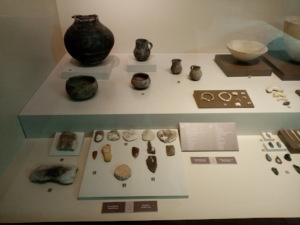
In the Neolithic age, polished stone tools became common. These tools helped people grow crops and store food.
Neolithic Tools Made for Farming and Survival
- Key Tools:
- Axes and Sickles: Perfect for cutting trees and harvesting crops.
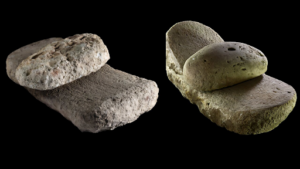
- Grinding Stones: Used for processing grains into flour.
- Pottery: Neolithic people made pots to store food and water, reducing wastage.
- Advancements:
Neolithic pottery was simple at first but later became more decorative. People also used weaving techniques to make baskets and mats.
| Tool/Technology | Use |
| Polished Axes
|
Cutting trees, clearing fields |
| Grinding Stones
|
Preparing grains and flour |
| Pottery
|
Storing surplus food |
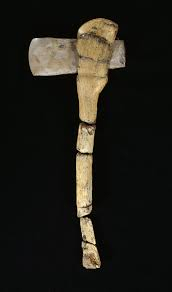
Chalcolithic Phase UGC NET Tools
The Chalcolithic phase introduced the use of copper. While stone tools were still in use, copper tools made farming, hunting, and crafting more efficient.
- Key Tools:
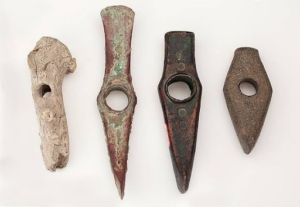
- Copper Axes and Sickles: Improved farming tools.
- Weapons: Copper was used to make weapons like daggers and spearheads.
- Specialized Tools: For weaving and spinning, helping to diversify occupations.
- Crafts and Pottery:
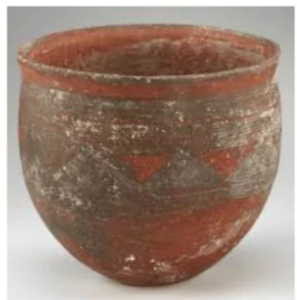
Painted pottery became popular during the Chalcolithic era. This pottery often had intricate designs and was used for trade.
| Tool/Technology | Use |
| Copper Tools
|
Farming, hunting, and crafting |
| Painted Pottery
|
Storage and trade |
| Weaving Tools | Making cloth and baskets |
Why Neolithic and Chalcolithic Phases Matter for UGC NET?
The Neolithic and Chalcolithic phases were turning points in human history. From settling in permanent homes to developing tools and crafts, these eras laid the foundation for modern civilizations.
| Feature | Neolithic Phase | Chalcolithic Phase |
| Settlements | Small, permanent villages; transition from nomadic life; simple family or clan-based communities | Larger, more organized settlements or proto-towns; emerging social hierarchy; some fortified villages |
| Technological Advances | Polished stone tools for agriculture, hunting, and daily use | Stone tools continued; introduction of copper tools for agriculture, craft, and weapons |
| Cultural Growth | Early pottery, basic crafts; functional art for storage, cooking, rituals | Decorative pottery, beads, ornaments; craft specialization; trade activities and regional cultural identities |
Top UGC NET Coaching in Jaipur
Neolithic and Chalcolithic Phase Patterns of Exchange and Early Trade for UGC NET
The Neolithic (New Stone Age) and Chalcolithic (Copper Age) periods were milestones in human history, where trade and exchange started shaping economies and cultures. People began exchanging goods, ideas, and technologies, moving from basic subsistence to more organized trade systems.
Neolithic and Chalcolithic Phase UGC NET Local Exchange
The Neolithic and Chalcolithic phases mark key stages of prehistoric India
What is Local Exchange?
Local exchange refers to the trading of goods between nearby villages or communities. As people started farming and living in permanent homes, they often had surplus food and goods. This extra production encouraged trade with their neighbors.
Key Features of Local Exchange:
- Exchange of Food and Tools: Villages exchanged grains, vegetables, pottery, and handmade tools. For instance, one village might trade their extra wheat for pottery made by another.
- Crop Diversity and Trade: In sites like Mehrgarh in modern-day Pakistan, evidence shows that people grew crops like wheat and barley. These were likely exchanged for items like fishing tools or animal products from neighboring settlements.
| Local Exchange Features | Examples |
| Surplus Food Exchange | Wheat, barley, and lentils traded for tools or crafts. |
| Trade Between Neighboring Areas | Pottery or handmade tools for animal products. |
| Focus on Practical Goods | Agricultural and basic utility items. |

Chalcolithic Phase Era Long-Distance Trade Networks
Unlike the Neolithic phase, where exchange was mostly local, Chalcolithic communities developed long-distance trade networks, connecting settlements across regions through copper, pottery, beads, and other specialized goods.
What Changed in Chalcolithic Trade?
During the Chalcolithic period, people began trading over longer distances. This was a big leap from local exchanges, as it connected regions that were far apart, spreading goods, ideas, and even cultural practices.
Key Features of Long-Distance Trade:
- Luxury Items: Copper tools, beads, and painted pottery were common items traded over long distances.
- Trade Hubs: Some settlements became trade centers. For example, Balathal in Rajasthan emerged as a key Chalcolithic site where items like copper tools and painted pottery were exchanged.
- Cultural Influence: Unique pottery designs, such as those found in Mohenjo-Daro, show influences from distant regions, proving that cultural ideas traveled through trade routes.
| Features of Long-Distance Trade | Examples |
| Luxury Goods Traded | Copper tools, beads, and painted pottery. |
| Trade Hubs | Balathal in India served as a key trade center. |
| Cultural Exchanges | Pottery styles influenced by distant regions. |
Chalcolithic Phase Cultural Exchange Through Trade
Chalcolithic long-distance trade not only facilitated the exchange of goods like copper, pottery, and beads but also promoted cultural interactions, spreading ideas, art styles, and technological knowledge across regions.
What is Cultural Exchange?
Cultural exchange happens when people adopt ideas, tools, or practices from other communities through trade. This was common in the Neolithic and Chalcolithic periods as trading connected people from different regions.
How Trade Shaped Cultures:
- Spread of Farming Techniques: Through trade, people shared new farming tools and methods. For instance, a village that learned to grow rice might pass on the knowledge to neighboring areas.
- Adoption of Pottery Styles: Pottery styles from one region were adopted and modified in other regions. For example, painted pottery designs found in Rajasthan might have originated from distant areas like Mesopotamia.
| Impact of Cultural Exchange | Examples |
| Improved Farming Practices | Adoption of new tools like sickles and plows. |
| Diverse Pottery Styles | Painted pottery reflecting cross-cultural designs. |
| Shared Knowledge | Spread of weaving and spinning techniques. |
Chalcolithic Phase Early Trade Mechanisms
Early trade mechanisms in the Chalcolithic phase not only distributed copper, pottery, and beads but also acted as a conduit for cultural exchange, spreading art, ideas, and technological knowledge across regions.
How Did Trade Work in Neolithic and Chalcolithic Periods?
Trade in these periods relied on bartering—exchanging goods without money. Communities traded items based on what they had in surplus and what they needed.
Key Elements of Trade:
- Pottery as a Trade Item:
- Pottery wasn’t just functional; it was decorative and served as a sign of wealth.
- For instance, black-and-red pottery from South India became popular in nearby regions through trade.
- Copper and Metals:
- Copper tools were among the first traded luxury items. These tools, along with ornaments made of copper, were exchanged between distant communities.
- A site like Ahar in Rajasthan shows evidence of copper production and trade.
- Barter System:
- Communities traded wheat, barley, or animal products for tools, ornaments, or pottery.
| Trade Mechanism | Examples |
| Barter System | Exchanging grains for pottery or tools. |
| Copper and Metals | Copper tools traded for luxury goods. |
| Pottery as Currency | Decorative pottery exchanged for resources. |
Resource Distribution and Trade Hubs UGC NET
Chalcolithic communities exchanged copper, stone tools, pottery, beads, and semi-precious stones across regions.
Why Did Certain Areas Become Trade Centers?
The availability of resources like fertile land, copper, or stones made some regions more important for trade. These areas became trade hubs, connecting various communities.
- Resource-Rich Areas:
- Rajasthan had rich copper deposits, making it a key region for trade during the Chalcolithic period.
- Fertile river valleys, like the Ganga basin, supported farming communities that traded surplus food.
- Key Trade Centers:
- Inamgaon (Maharashtra): A Chalcolithic site where evidence of organized trade has been found.
- Navdatoli (Madhya Pradesh): Known for its painted pottery and agricultural products traded with nearby areas.
| Trade Centers | Key Resources |
| Rajasthan (Ahar, Balathal) | Copper tools and luxury items. |
| Ganga Basin | Surplus agricultural produce. |
| Navdatoli (MP) | Painted pottery and grains. |
Why Trade in Neolithic and Chalcolithic Phase Matters for UGC NET?
The Neolithic and Chalcolithic periods were not just about survival—they were about growth, innovation, and connection. Trade and exchange during these times laid the foundation for organized economies and cultural interactions.
- Local and Long-Distance Trade: From bartering surplus food to exchanging luxury items like copper tools and painted pottery.
- Cultural Exchange: Trade routes facilitated the sharing of ideas, farming techniques, and artistic styles.
- Emergence of Trade Hubs: Resource-rich regions like Rajasthan and the Ganga basin became centers of early trade.
Conclusion
The Neolithic and Chalcolithic periods marked a turning point in human history, where settlements, tools, and trade began shaping civilizations. From local bartering systems to long-distance exchanges of copper tools, pottery, and cultural practices, these eras established the foundations of economic and cultural growth. Resource-rich regions like Rajasthan and the Ganga basin became early trade hubs, connecting diverse communities.
Neolithic and Chalcolithic Phase FAQs

2. How did trade evolve during the Chalcolithic period?
In the Chalcolithic period, long-distance trade emerged, focusing on luxury items like copper tools, painted pottery, and cultural exchange, connecting diverse regions.
3. What role did pottery play in the Neolithic and Chalcolithic trade?
Pottery served as a functional item for storage and as a decorative trade good. Painted pottery, in particular, reflected cultural influences and was used for bartering.
4. Why were certain regions like Rajasthan important for Chalcolithic trade?
Rajasthan had rich copper deposits, making it a significant trade hub. Settlements like Balathal and Ahar were centers of copper production and exchange.
5. How does the study of these phases help in UGC NET preparation?
Studying the Neolithic and Chalcolithic periods highlights the roots of settlements, tools, and trade systems, which are key topics in understanding ancient history and early economies.