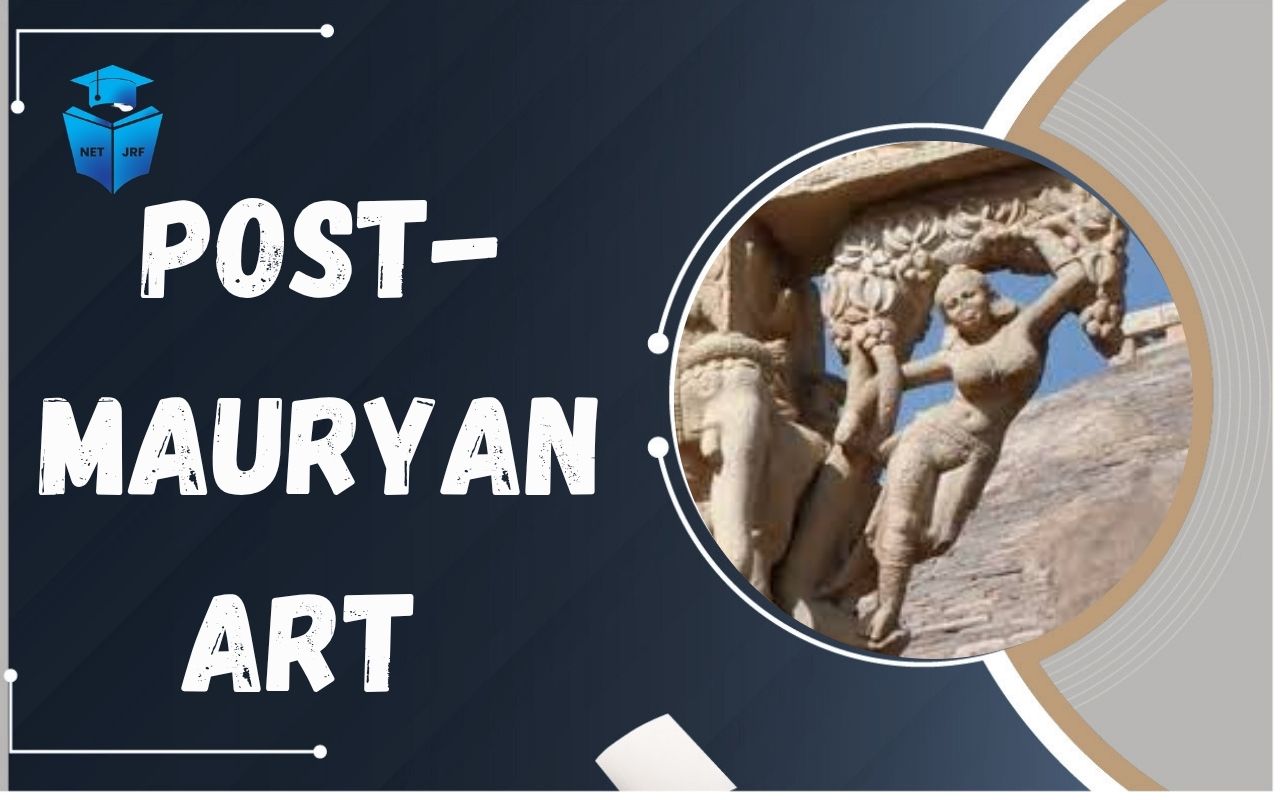
Post Mauryan Art Architecture Gandhara Mathura and Amaravati Schools
The time between the 2nd century BCE and the 3rd century CE saw major changes in Indian art. This was after the fall of the Mauryan Empire, and new styles…

The UGC NET (University Grants Commission National Eligibility Test) is one of the most prestigious exams for aspiring Assistant Professors and Junior Research Fellows in India. To succeed in this competitive exam, well-structured and comprehensive UGC NET Notes play a crucial role.
This article provides an in-depth guide to UGC NET Notes, including subject-wise study materials, preparation strategies, and expert tips to help candidates achieve their academic goals.
Well-organized UGC NET Notes can help aspirants:
The UGC NET exam consists of two papers:
PaperNumber of QuestionsMarksDuration
| Paper I (Teaching & Research Aptitude) | 50 | 100 | 1 Hour |
| Paper II (Subject-Specific) | 100 | 200 | 2 Hours |
Each subject under Paper II requires detailed preparation. Here’s a brief overview of commonly chosen subjects:
| Resource Type | Recommended Websites & Platforms |
| UGC NET Notes & Study Materials | JRF Adda, NTA UGC NET Portal, NCERT e-books |
| Online Courses & Lectures | Unacademy, BYJU’S, Gradeup, SWAYAM |
| Mock Tests & Quizzes | Testbook, Adda247, JRF Adda |
| Subject | Recommended Books |
| Paper I (General) | Trueman’s UGC NET, Arihant’s Paper I Guide |
| Commerce | NTA UGC NET Commerce by KVS Madan |
| Political Science | UGC NET Political Science by Rukmini Bhattacharya |
| History | UGC NET History by Poonam Dalal Dahiya |
| English Literature | UGC NET English by Dr. B.B. Jain |
UGC NET Notes are an indispensable tool for aspirants aiming for JRF and Assistant Professorship. With a well-structured study plan, reliable books, and effective time management, success in UGC NET is achievable. Utilize JRF Adda’s free study materials and expert guidance to boost your preparation!
Stay consistent, stay motivated, and crack the UGC NET exam with confidence!
A: Notes help in revision, but you must also refer to textbooks, mock tests, and previous year papers.
A: Paper I tests general aptitude, while Paper II is subject-specific. Difficulty varies based on preparation level.
A: Regular revision is essential. Plan to revise at least once a week.
A: Not necessarily, but they can be beneficial for concept clarity and doubt-solving.
A: Summarize key points, use bullet points, highlight important concepts, and create diagrams for better retention.
The time between the 2nd century BCE and the 3rd century CE saw major changes in Indian art. This was after the fall of the Mauryan Empire, and new styles…
Agrarian economy of Gupta age formed the strong foundation of the Gupta Empire, where almost every aspect of life depended on agriculture. If we try to imagine daily life in…
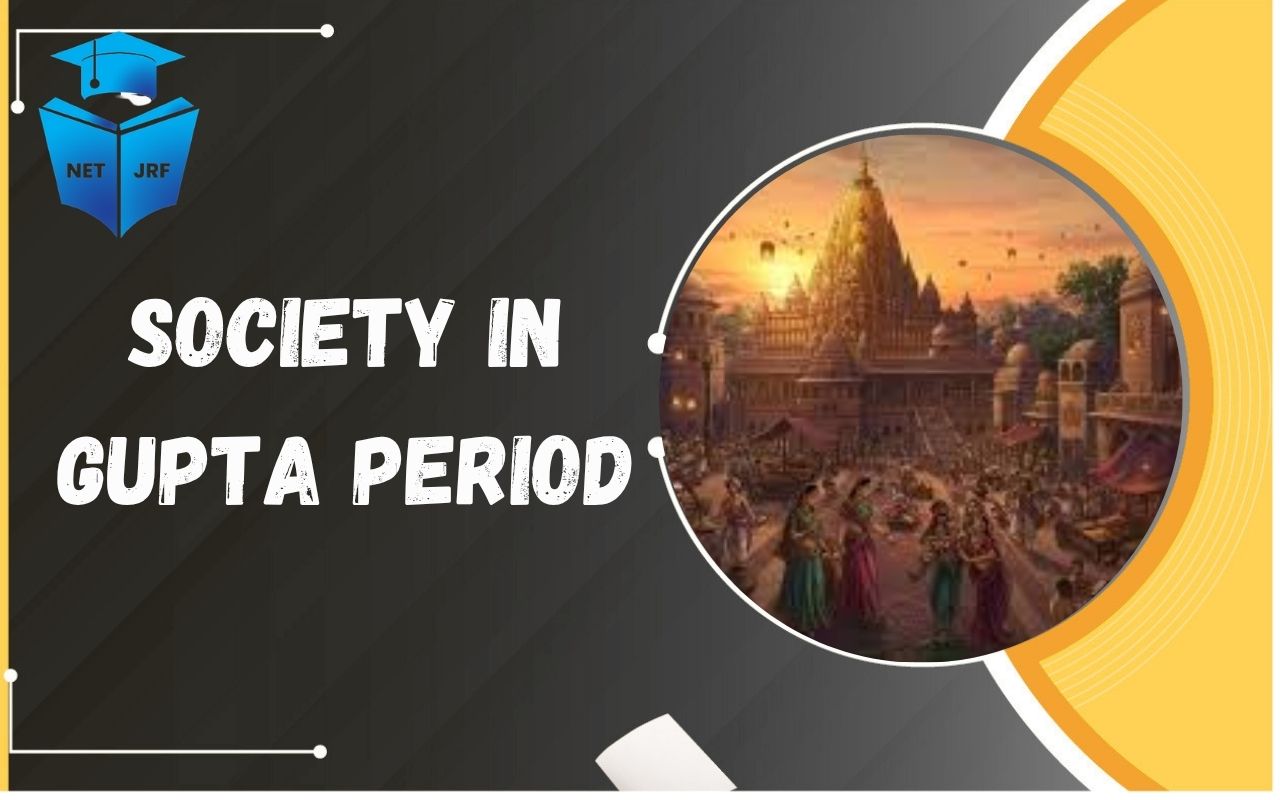
Society in Gupta period was mainly based on the varna system, but it became more complex with the rise of jatis. Social life was organized, yet differences between groups increased.This…
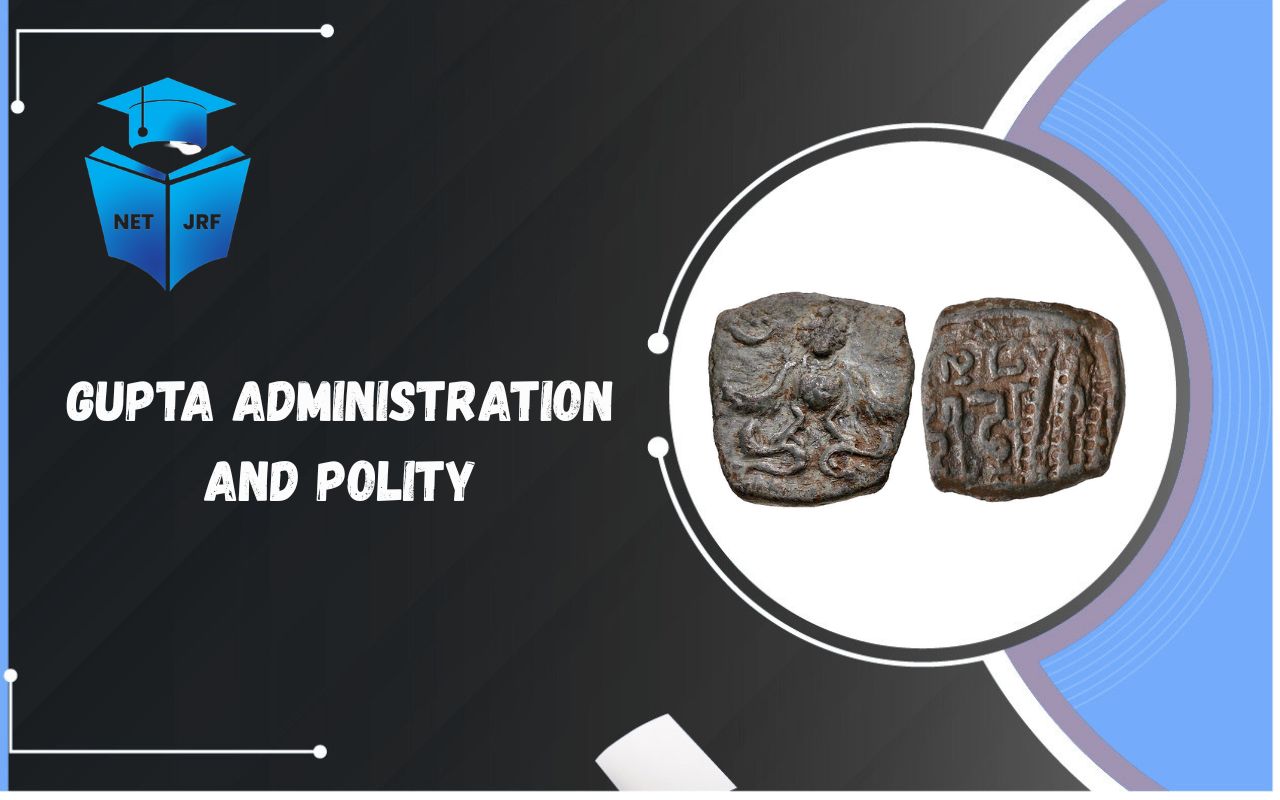
The Gupta administration and polity represent a well-organized yet flexible system of governance that developed during the Gupta Empire. It shows how rulers managed vast territories with a mix of…
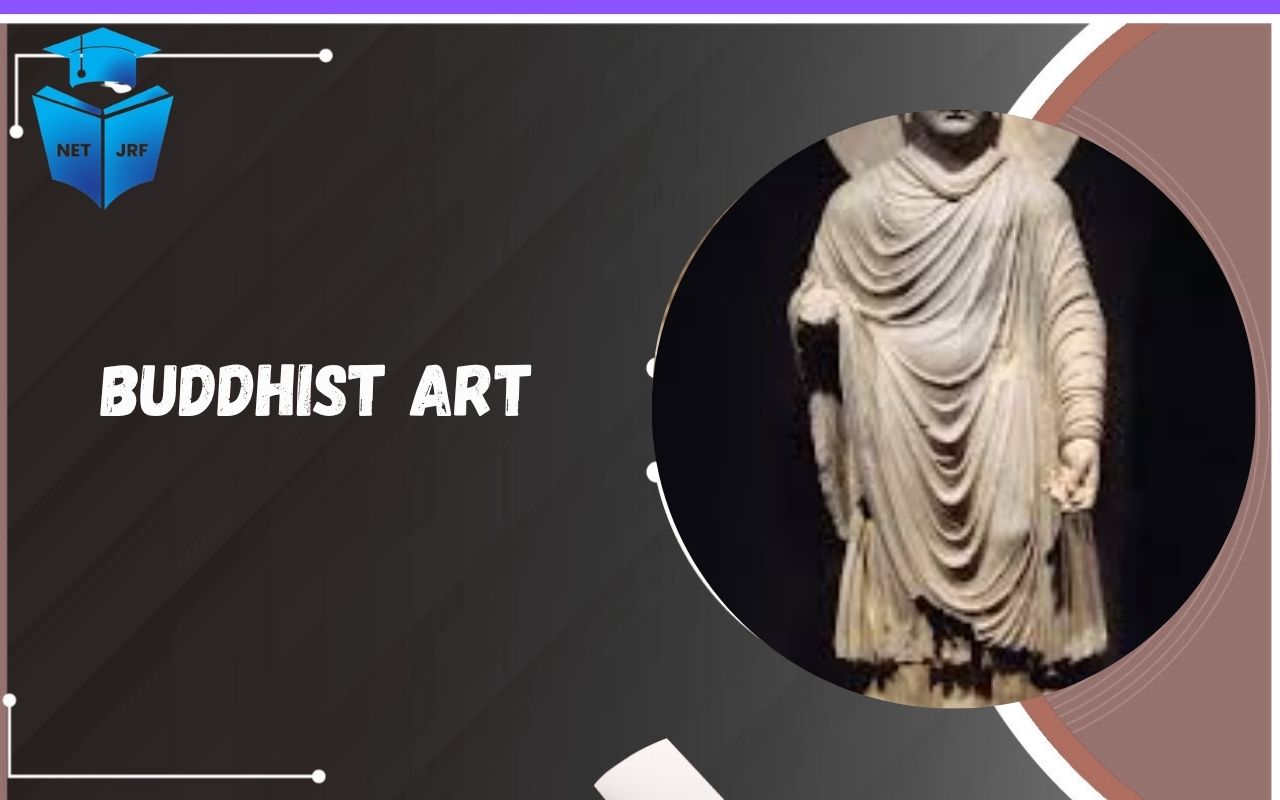
Buddhist art in post-Mauryan period marks an important phase in Indian history where art became more expressive, detailed, and symbolic. This period saw the transformation of simple religious ideas into…
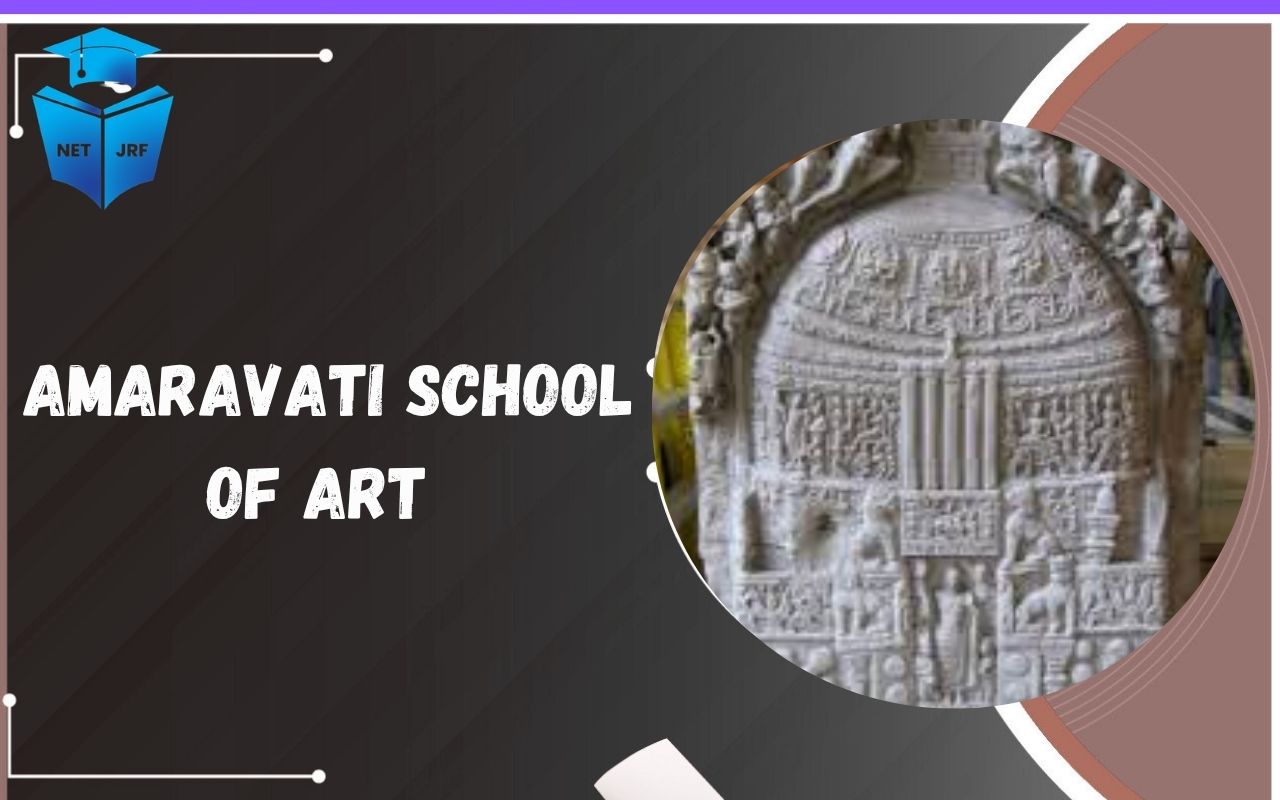
Amaravati school of art is one of the most important artistic traditions of ancient India, especially known for its detailed sculptures and beautiful narrative panels. It developed in the southern…
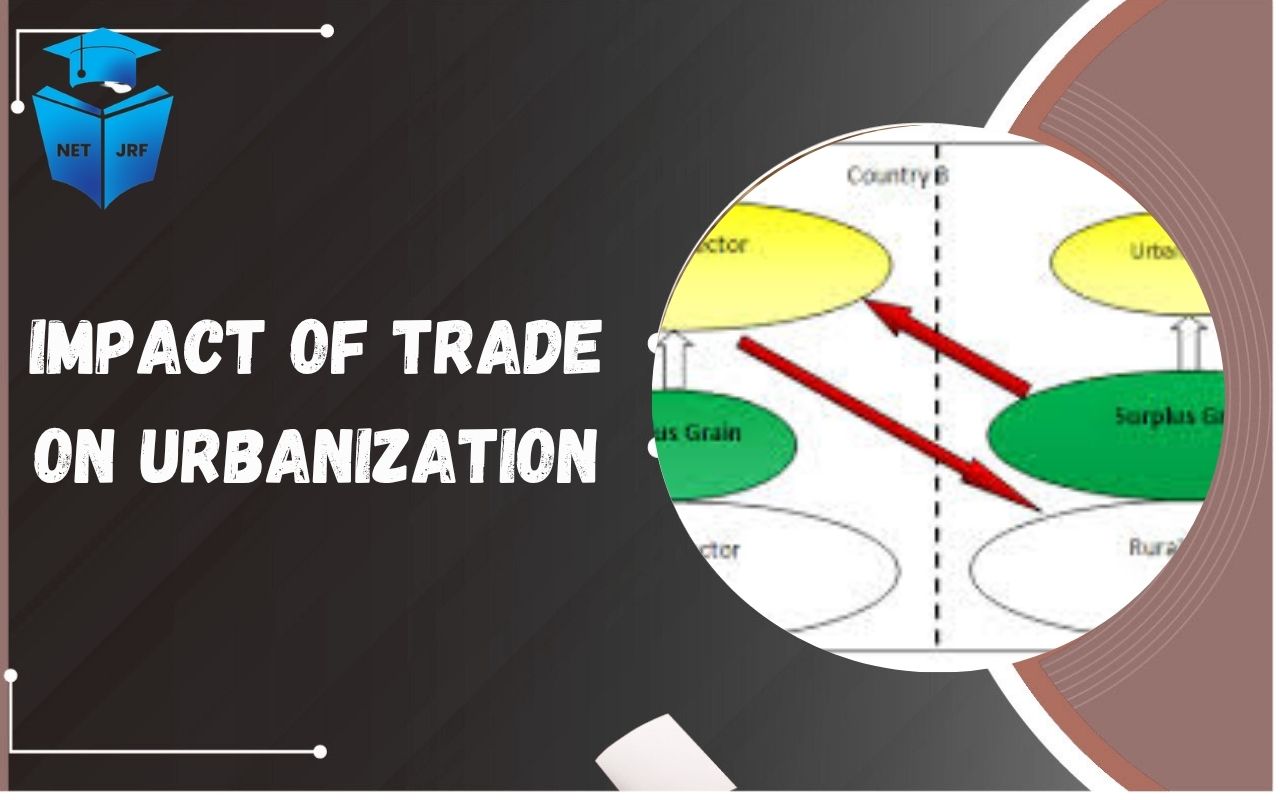
Impact of trade on urbanization can be clearly seen in ancient India where trade activities led to the growth of towns, cities, and economic centers. As trade expanded, people moved…
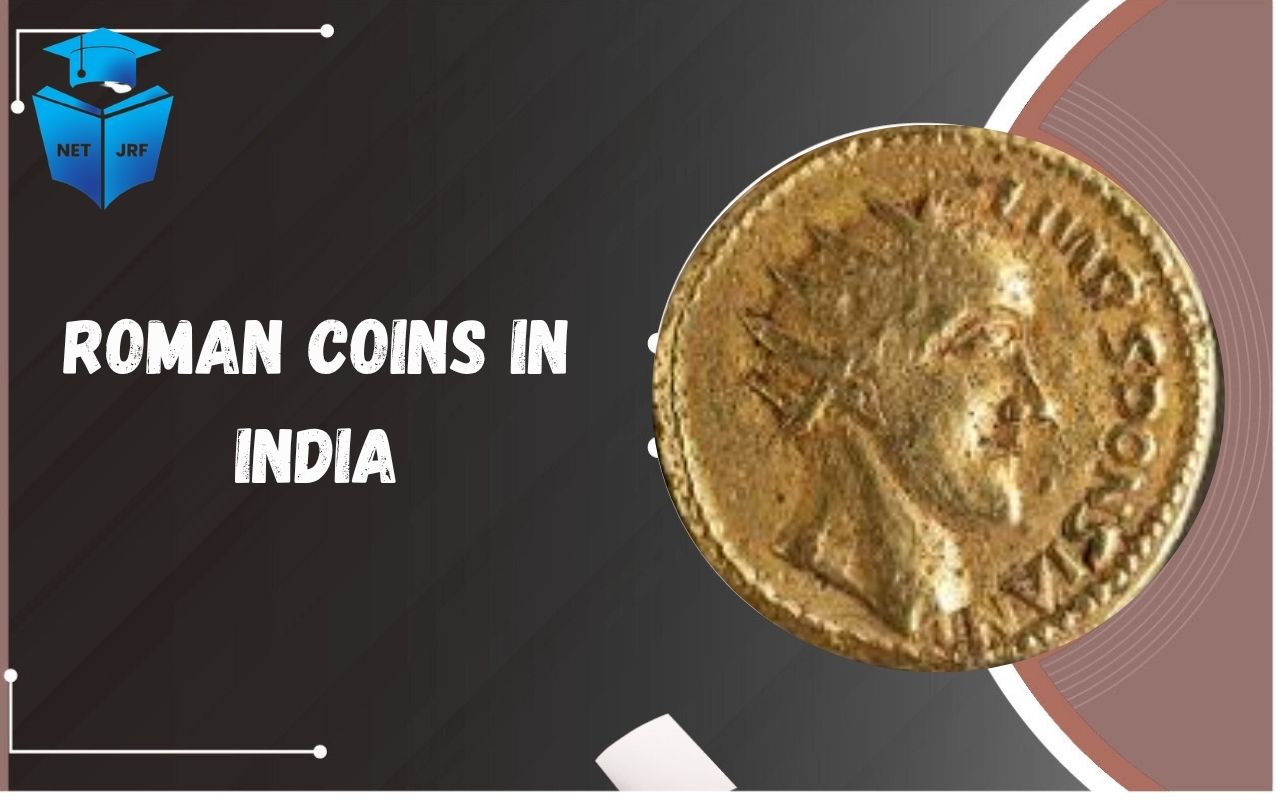
Roman coins in India provide strong proof of ancient trade connections between South India and the Roman world. These coins are not just pieces of metal; they tell a story…
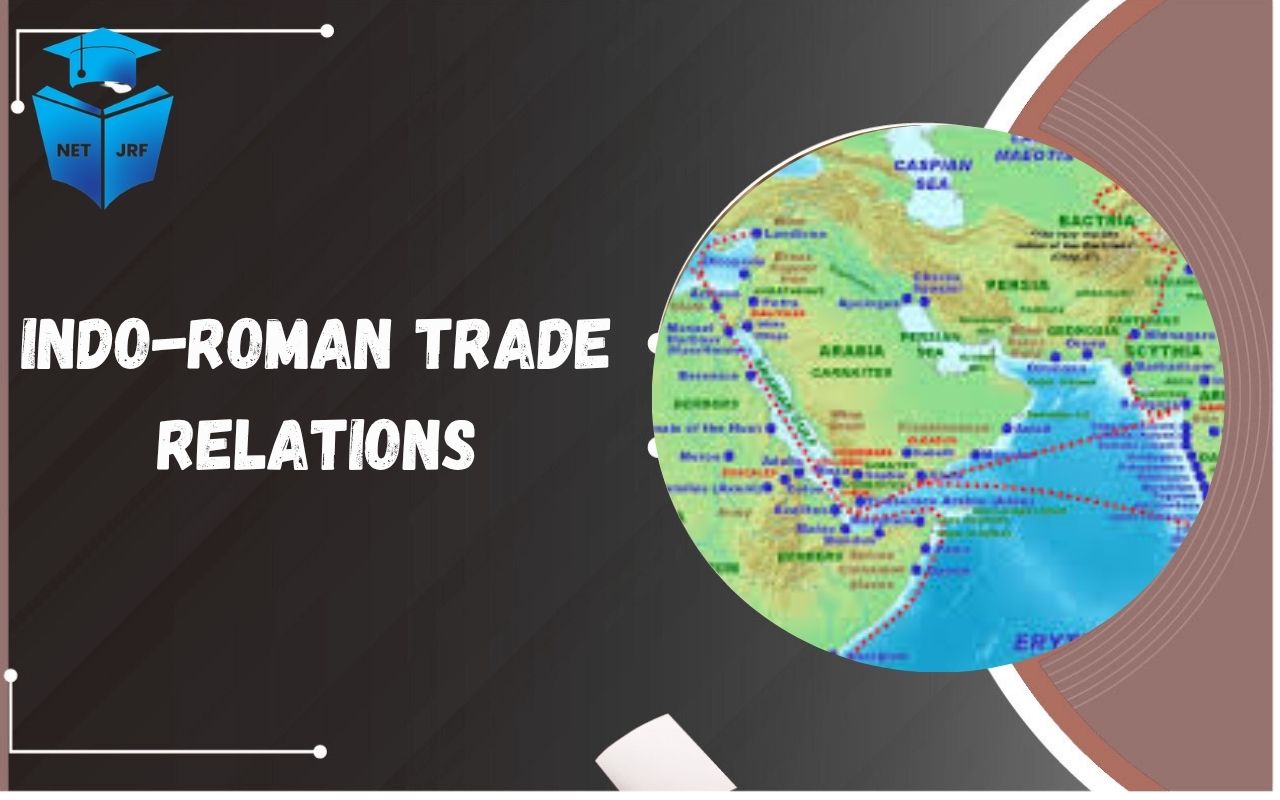
Indo-Roman trade relations were one of the most important features of ancient Indian economic history. These relations connected India with the powerful Roman Empire between the 1st century BCE and…
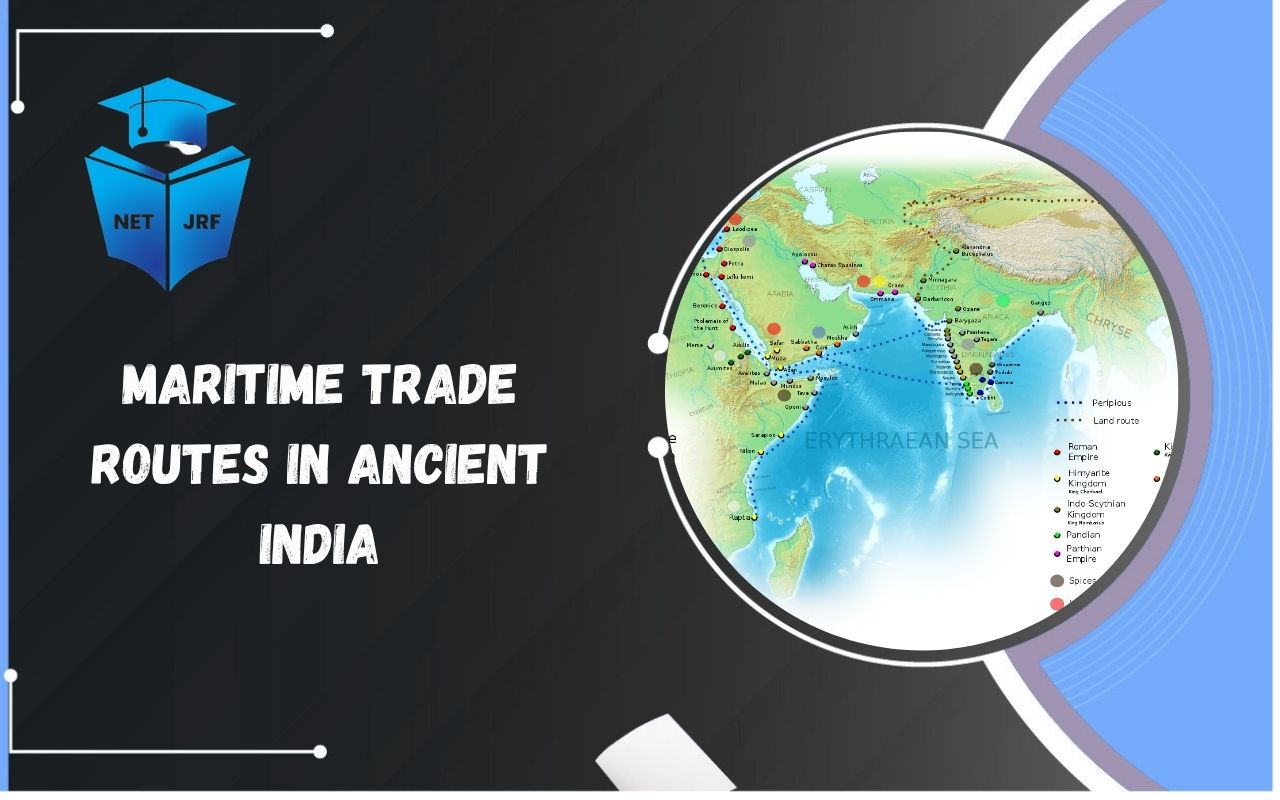
Maritime trade routes in ancient India played a very important role in connecting India with distant regions like Rome, Southeast Asia, and West Asia. These routes helped in the movement…