


The Indus Valley Civilization (IVC), also known as the Harappan Civilization, was one of the earliest advanced civilizations in the world. Spanning thousands of years, it laid the foundation for urbanization, trade, and craftsmanship.
Indus Valley Civilization Origin and Discovery
The Indus Valley Civilization represents the earliest known urban culture of northwestern India, emerging around 3300 BCE and lasting until roughly 1300 BCE.
- It ranks among the world’s first great civilizations, alongside Mesopotamia and ancient Egypt. Fertile soil, a favorable climate, and rivers like the Indus shaped its growth, supporting agriculture, trade, and dense settlements.
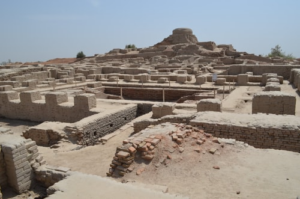
- Key sites such as Harappa and Mohenjo-Daro reveal planned cities, advanced drainage, and uniform architecture, while later discoveries at Kalibangan, Lothal, and Rakhigarhi confirm the civilization’s widespread influence.
Enroll UGC NET Coaching in Jaipur
Mohenjo-Daro
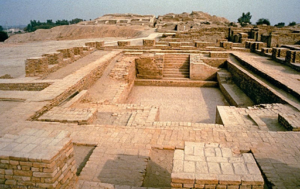 Kalibangan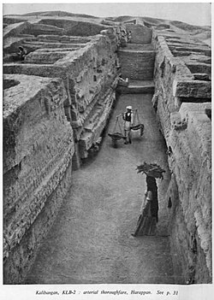
Lothal
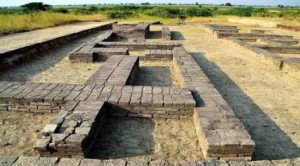 Rakhigarhi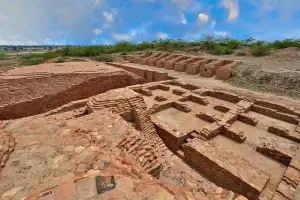
- Harappa, excavated first, gives its name to the broader Harappan culture, highlighting its pioneering role in urban development.
Indus Valley Civilization (IVC)
Origin: Emerged along the Indus River basin, evolving from agricultural villages to advanced urban settlements.
- Alternate Name: Also known as the Indus-Sarasvati Civilization due to its spread along the Ghaggar-Hakra river system.
- Major Sites: Harappa, Mohenjo-Daro, Kalibangan, Rakhigarhi, Lothal.
Discovery:
- Harappa was first identified by Charles Masson.
- Excavations led by Daya Ram Sahni (Harappa, 1920) and Rakhaldas Banerjee (Mohenjo-Daro, 1921).
- Official announcement of IVC by John Marshall in 1924.
Geographical Factors:
- Fertile plains with rich alluvial soil from Indus floods.
- Moderate climate supported agriculture, settlement, and craft development.
- Chronology:
- Civilization lasted 3300 BCE – 1300 BCE.
- Divided into Early Harappan, Mature Harappan, and Late Harappan phases.
- Cultural Features: Planned cities, sophisticated drainage, uniform architecture, trade networks, and craft specialization.
Enroll UGC NET Offline Coaching in Jaipur
Indus Valley Civilization UGC NET Extent
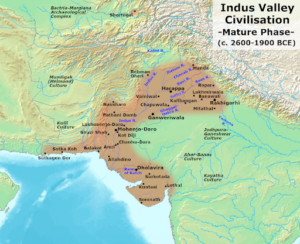
The Harappan Civilization was vast, covering over 1,200,000 square kilometers. Its territory stretched across modern-day Pakistan, northwest India, and parts of Afghanistan and Iran.
Geographic Boundaries:
- West: Sutkagen Dor (Balochistan, Pakistan)
- East: Alamgirpur (Uttar Pradesh, India)
- North: Manda (Jammu, India)
- South: Daimabad (Maharashtra, India)
This immense area included fertile plains, river valleys, and coastal regions, allowing the Harappans to thrive through agriculture, trade, and resource exploitation.
| Direction | Site | Modern Location |
| West | Sutkagen Dor | Balochistan, Pakistan |
| East | Alamgirpur | Uttar Pradesh, India |
| North | Manda | Jammu, India |
| South | Daimabad | Maharashtra, India |
Harappan Civilization Valley UGC NET Major Sites
Archaeological excavations have uncovered over 1,400 sites, providing incredible insights into the Harappan way of life. Below are some key sites and their standout features:
| Site Name | Location | Key Features | ||||
| Harappa | Punjab, Pakistan |
|
||||
|
Sindh, Pakistan |
|
||||
| Rakhigarhi | Haryana, India |
|
||||
| Dholavira | Gujarat, India |
|
||||
| Lothal | Gujarat, India | Dockyard and maritime trade connections. | ||||
| Kalibangan | Rajasthan, India | Fire altars and early agricultural practices. | ||||
| Alamgirpur | Uttar Pradesh, India
|
Evidence of cotton production and trade links. |
Each site contributed uniquely to our understanding of the civilization’s social, economic, and technological advancements.
Enroll UGC NET Online Coaching
Harappan Civilization Valley UGC NET Settlement Patterns
Harappan Civilization featured well-planned settlements with grid layouts, fortified citadels, and organized residential areas, reflecting advanced urban planning and social organization in the Indus Valley
Neatly Planned Cities
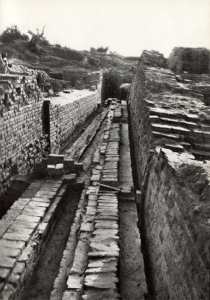
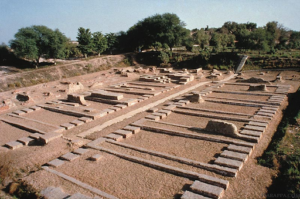
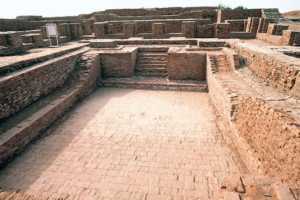
Harappan cities were meticulously planned and showcased impressive urbanization. The cities were built on a grid pattern, with streets intersecting at right angles. Houses, made of baked bricks, often had courtyards and private wells.
Public Infrastructure
- Drainage Systems: Almost every house had a drainage system connected to a larger, city-wide network. This highlights their emphasis on hygiene.
- Granaries: Large granaries stored surplus food, reflecting advanced agricultural practices and centralized planning.
- The Great Bath: Found in Mohenjo-Daro, it is believed to have been used for ritual bathing.
| Feature | Description | Significance |
| Drainage Systems | Almost every house had a private drainage system connected to a city-wide network.
|
Shows advanced urban planning and concern for hygiene. |
| Granaries | Large storage structures for surplus food.
|
Reflects advanced agriculture and centralized planning. |
| The Great Bath | Large water tank at Mohenjo-Daro, likely used for ritual bathing.
|
Indicates cultural and religious practices. |
Strategic Locations
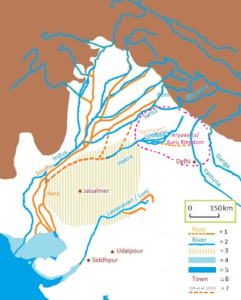
The Harappans established settlements near rivers, which provided water for agriculture, transportation, and trade. Major rivers like the Indus, Ghaggar-Hakra, and Saraswati played a crucial role in their prosperity.
| Urban Feature | Purpose |
| Grid Layout | Organized housing and streets |
| Drainage System | Wastewater management |
| Granaries | Food storage for surplus agriculture |
| The Great Bath | Ritual and religious activities |
Harappan Civilization Valley UGC NET Craft Specialization
The Harappans were skilled craftsmen, excelling in various fields. Their craft specialization reflects a sophisticated economy and a flourishing trade network.
Pottery
Harappan pottery was both functional and decorative. They made black-and-red ware, often painted with intricate designs. Pottery was used for storing grains, water, and even as trade items.
Metallurgy
The Harappans used bronze, a mix of copper and tin, to make tools, weapons, and ornaments. Copper was sourced from sites like Khetri (Rajasthan) and Baluchistan.
Bead Making
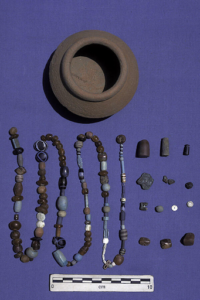
Harappans were renowned for their beads, crafted from semi-precious stones like carnelian, agate, and lapis lazuli. These beads were exported to distant regions.
Textiles
The civilization produced cotton textiles, and some Harappan seals depict workers involved in textile production. India’s ancient cotton trade likely began during this time.
| Craft | Material Used | Purpose/Usage |
| Pottery | Clay | Storage and trade |
| Metallurgy | Copper, bronze | Tools, ornaments, and weapons |
| Bead Making | Carnelian, agate, lapis lazuli | Jewelry and trade items |
| Textiles | Cotton | Clothing and export |
Why is Indus/Harappan Civilization Important for UGC NET?
The Indus/Harappan Civilization is important for UGC NET as it marks the earliest urban culture of the Indian subcontinent, showcasing advanced settlements, trade, and craft specialization. Studying it helps understand ancient social, economic, and technological developments.
- Urban Planning: The Harappans were pioneers in creating well-planned cities, influencing later civilizations.
- Craftsmanship: Their expertise in pottery, metallurgy, and textiles highlights their advanced skills.
- Trade Networks: Harappan trade extended to Mesopotamia and beyond, proving their economic reach.
- Cultural Insights: Artifacts like seals and pottery provide a glimpse into their religious and cultural practices.
- Legacy: The Harappan Civilization laid the foundation for future societies in South Asia.
Indus Valley Civilization UGC NET Religion, Society, and Political Organization
The Indus Valley Civilization (IVC), also called the Harappan Civilization, was one of the earliest urban societies, flourishing around 3300–1300 BCE in South Asia. Despite its advanced culture, much about its religion, society, and politics remains mysterious due to limited evidence. Let’s dive into its key features in simple terms.
Religion in the Indus Civilization UGC NET
Understanding the religion of the Indus people is challenging because the script they used is undeciphered. However, archaeologists have found clues that give us a glimpse into their beliefs:
- Worship of a Mother Goddess:
The Harappans likely worshipped a Mother Goddess, symbolizing fertility. Numerous terracotta figurines of women, often seen with exaggerated features like wide hips, suggest reverence for female deities connected to childbirth and growth. - Nature and Animal Worship:
The people seemed to respect animals and nature. Seals depicting bulls, elephants, and other animals show their importance in religious or cultural rituals. A horned figure seen on some seals is thought to be an early representation of a male deity, possibly linked to later Hindu beliefs about Lord Shiva.
- No Temples, Just Ritual Spaces:
Unlike other civilizations like Mesopotamia or Egypt, the Harappans did not build grand temples. The Great Bath in Mohenjo-Daro, often associated with ritual bathing, may have been a place for religious practices. Houses had private bathing areas, hinting that cleanliness might have had spiritual importance. - Symbols and Rituals:
The swastika symbol, commonly seen on seals, later became a significant icon in Indian religions. Their belief system may have included early ideas about fertility, purity, and renewal.
Indus Valley Civilization UGC NET Society of the Harappans
The social structure of the Indus Valley people appeared organized but relatively simple compared to other ancient cultures. Here’s what we know:
- Well-Planned Cities:
Cities like Mohenjo-Daro and Harappa were laid out in grids, with wide roads, public baths, and drainage systems. This suggests a strong sense of community and urban planning. - Craftsmanship and Jobs:
People in the Indus Valley were skilled artisans. They made beautiful pottery, beads, and textiles. Metal tools and jewelry show they were advanced in metallurgy. Craft specialization indicates that society was divided into groups based on jobs, but no evidence suggests rigid class divisions like in later times. - Trade and Commerce:
The Harappans traded goods like beads, shells, and cloth with regions as far away as Mesopotamia (modern Iraq). This trade required excellent coordination, showing the presence of economic systems managed by the community.
Indus Valley Civilization UGC NET Political Organization of the Indus Civilization
The Harappan political system remains unclear because there are no written records. However, certain aspects hint at a governing structure:
- Centralized Management:
The uniformity in city layouts and construction suggests that a centralized authority or group of leaders planned and managed urban centers. - Economic Coordination:
Trade networks and the large-scale storage of grains indicate some form of organized governance to manage resources and control trade routes. - Absence of Kings or Palaces:
Unlike Egyptian pharaohs or Mesopotamian kings, the Harappans did not build palaces or monuments to rulers. This has led scholars to believe that their political system might have been community-based or run by local councils.
Indus Valley Civilization UGC NET Decline of the Indus Civilization
By around 1300 BCE, the once-thriving Indus Valley Civilization began to collapse. Scholars have proposed several reasons for its decline. Let’s explore these theories:
Environmental Changes
One of the main reasons for the decline could have been environmental shifts:
- Monsoon Changes:
Reduced rainfall likely caused agricultural problems. Farming would have become difficult, leading to food shortages. - River Drying:
The Ghaggar-Hakra River, believed to have been a lifeline for the Harappans, dried up or changed course. This would have severely affected irrigation and forced people to abandon cities.
Trade and Economic Problems
- Breakdown of Trade:
The collapse of long-distance trade with regions like Mesopotamia may have hurt the economy. - Resource Depletion:
Overuse of natural resources, like wood or minerals, might have weakened the economy and disrupted daily life.
Social and Political Factors
- Social Unrest:
As resources become scarce, conflicts may have arisen within the community, causing instability. - Weak Political Systems:
Without strong leadership or a governing body, the society might have fragmented.
Invasions or Conflicts: Limited Evidence UGC NET
While earlier theories suggested invasions by groups like the Aryans, there is little solid evidence of widespread violence. Today, scholars believe invasions were not a major reason for the decline.
Indus Valley Civilization UGC NET Quick Comparison
Indus Valley Civilization can be quickly compared by its Early, Mature, and Late Harappan phases, highlighting urban planning, trade, craft specialization, and settlement expansion.
| Aspect | Features |
| Religion | Mother Goddess worship, animal/nature veneration, no temples, ritual baths |
| Society | Urban planning, skilled artisans, trade networks |
| Politics | Centralized management, economic coordination, no kings or palaces |
| Decline Causes | Environmental changes, trade breakdown, social unrest, weak governance |
The Indus Valley Civilization remains an enigma in many ways, but it was undeniably one of the most advanced cultures of its time. Its focus on urban planning, trade, and communal living provides valuable insights into early human societies.
Conclusion
The Indus Valley Civilization was a highly advanced and organized society that excelled in urban planning, trade, and craftsmanship. Despite its decline due to environmental, economic, and social challenges, its legacy continues to influence modern civilizations. The Harappans’ emphasis on cleanliness, sustainable urbanization, and skilled craftsmanship makes them a remarkable example of early human ingenuity. For UGC NET aspirants, studying this civilization not only offers insights into history but also demonstrates the importance of adapting to changing circumstances for survival.
Indus Valley Civilization UGC NET FAQs

What were the key features of Harappan urban planning?
The cities were built on a grid system with straight roads, advanced drainage systems, public baths, and granaries for storing surplus food.
What was the main reason for the decline of the Indus Valley Civilization?
A combination of environmental changes (e.g., drying rivers, monsoon shifts), trade breakdown, and social instability contributed to its decline.
What were the major sites of the Indus Valley Civilization?
Key sites include Harappa (Pakistan), Mohenjo-Daro (Pakistan), Rakhigarhi (India), Dholavira (India), Lothal (India), and Kalibangan (India).
How did the Indus people contribute to trade and craftsmanship?
They were skilled in pottery, metallurgy, bead-making, and textiles. They traded goods like beads, cotton, and tools with regions as far as Mesopotamia.