
Nature and Philosophy of Dhamma Meaning Features and Importance
The Dhamma of Ashoka was a unique policy that combined moral principles with governance. It was not limited to any one religion but aimed at promoting ethical conduct, social harmony,…


The Dhamma of Ashoka was a unique policy that combined moral principles with governance. It was not limited to any one religion but aimed at promoting ethical conduct, social harmony,…
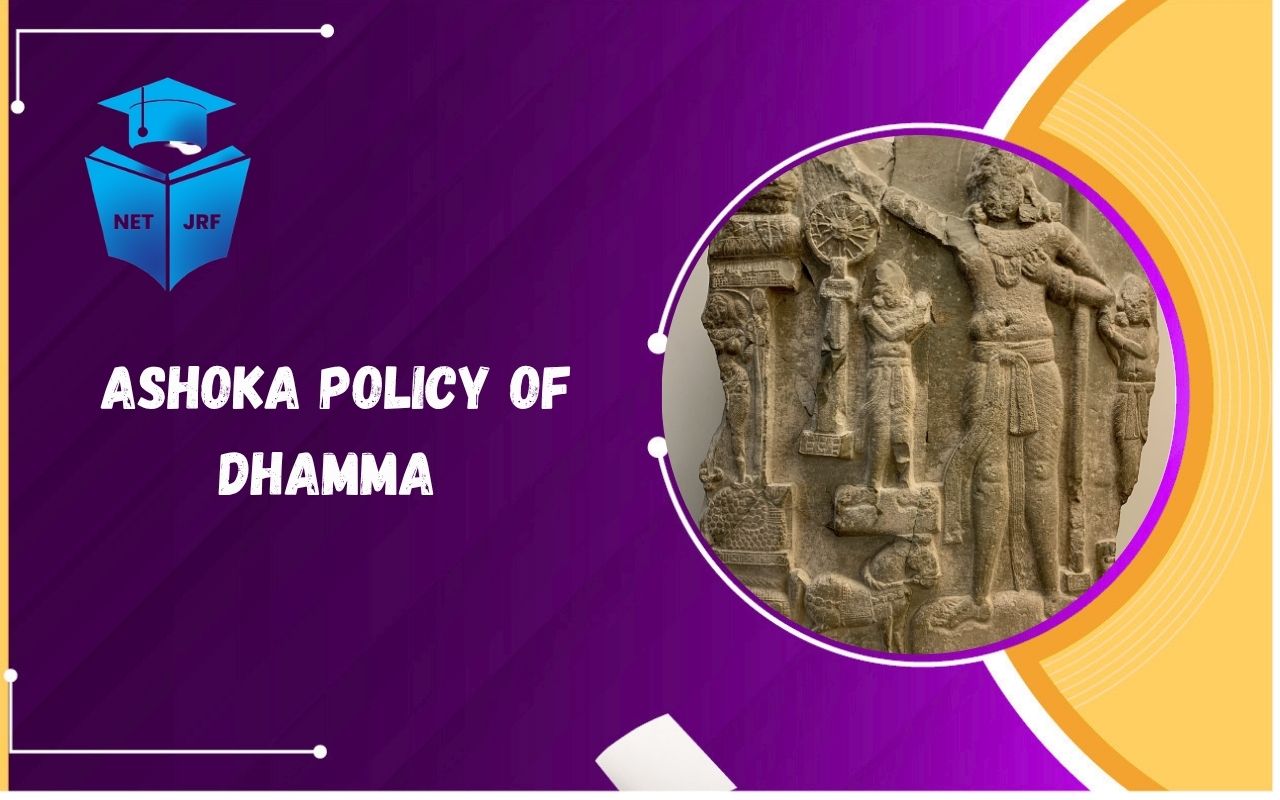
After the Kalinga War, Ashoka underwent a profound transformation, turning from a conqueror into a ruler guided by moral and ethical principles. To promote peace, welfare, and harmony within his…
The Kalinga War was one of the most important events in ancient Indian history. It marked a turning point in the life of Emperor Ashoka and changed the direction of…

Taxation system of Mauryan state was one of the most organized economic systems in ancient India. It helped the empire maintain a strong treasury, support administration, and fund military activities.…

Trade and commerce under Mauryas played a vital role in strengthening the Mauryan Empire. It connected different regions, supported urban growth, and increased state revenue. Agriculture remained important, but trade…
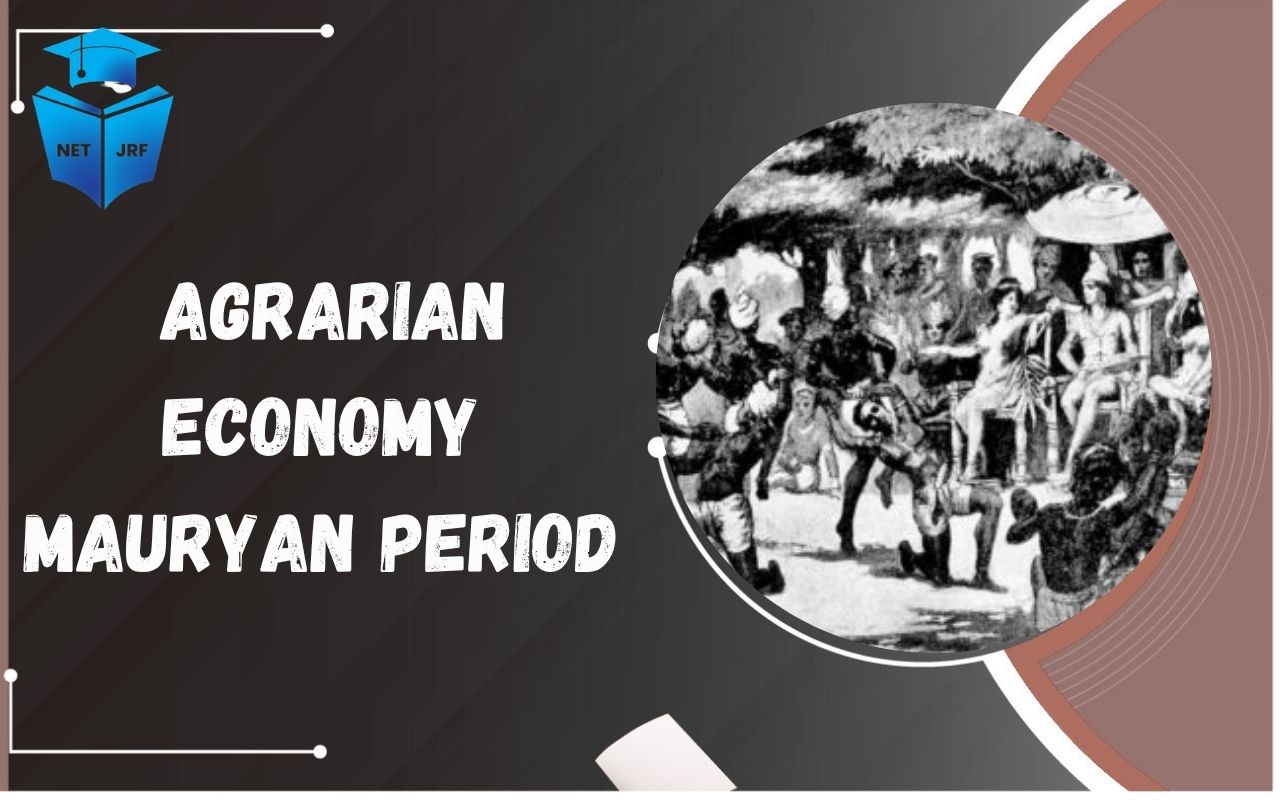
Agrarian economy of the Mauryan period formed the backbone of the Mauryan Empire. Agriculture was the main source of income, employment, and state revenue. Most people lived in villages and…
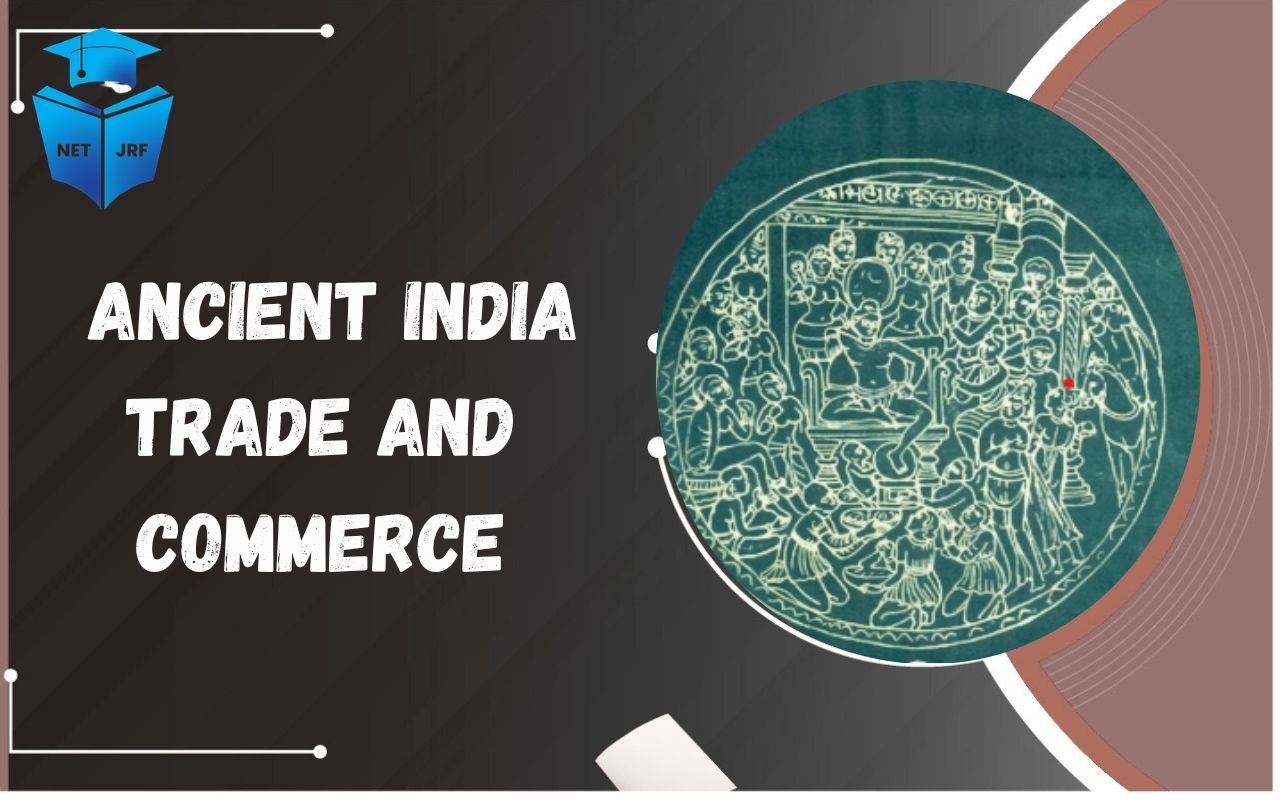
India between the 2nd century BCE and 3rd century CE was a golden age of both internal and foreign trade. Trade and commerce in ancient India formed the backbone of…
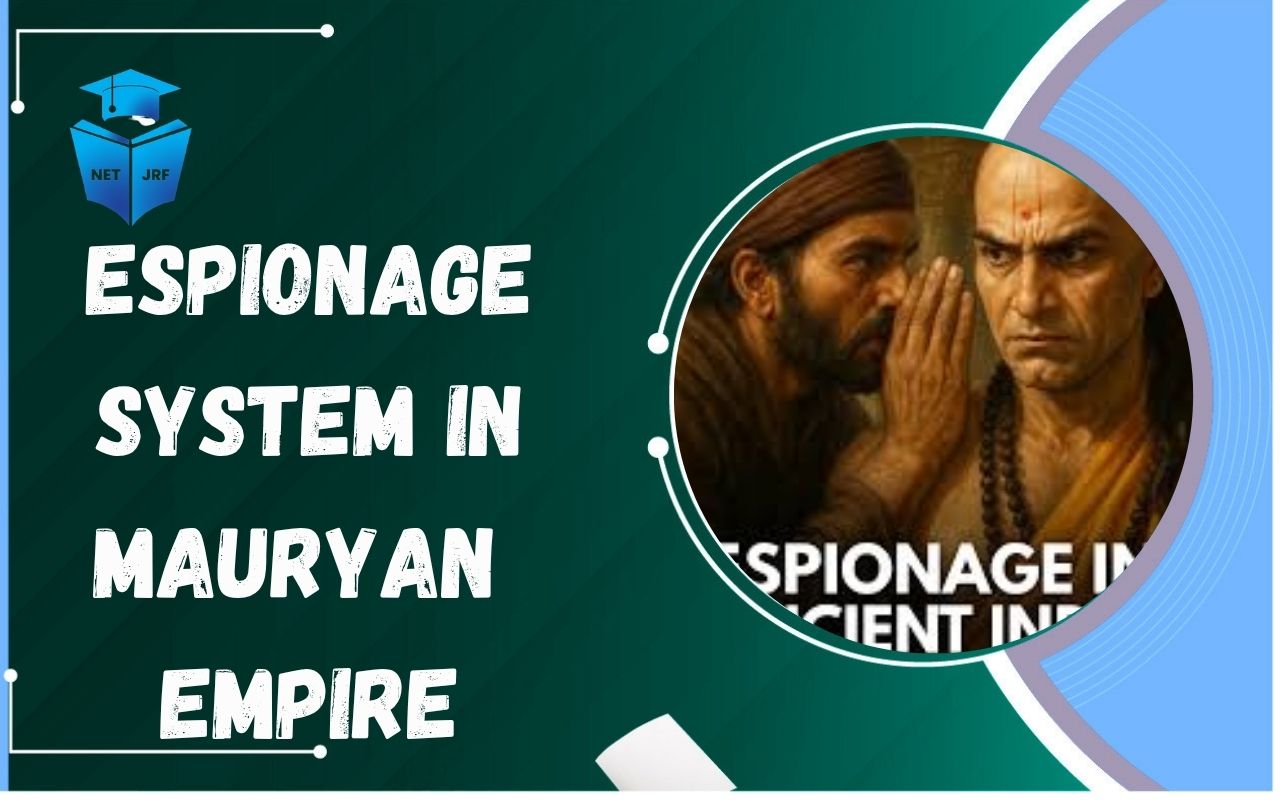
The Espionage system in Mauryan empire was one of the most powerful tools used by rulers to maintain control over a vast territory. The Espionage system in Mauryan empire helped…
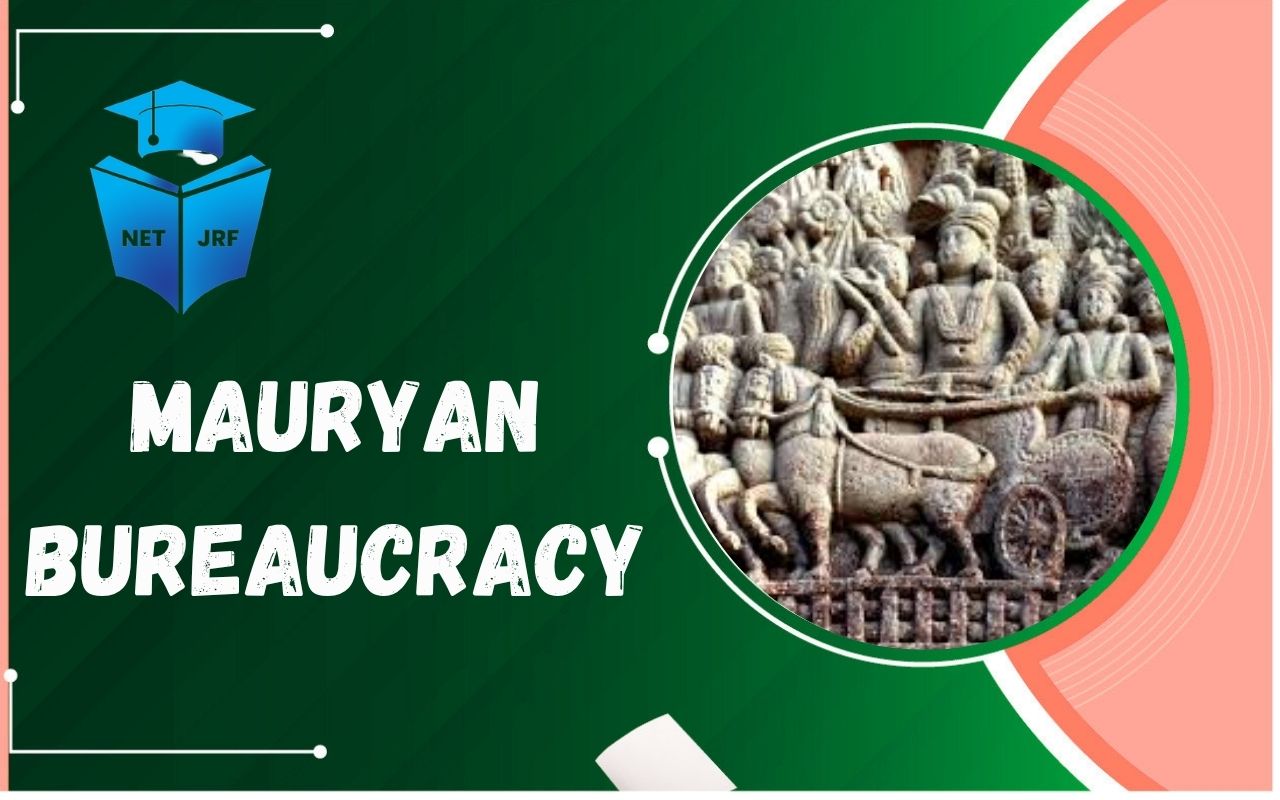
The Mauryan Bureaucracy was one of the most advanced administrative systems in ancient India. The Mauryan Bureaucracy helped the rulers manage a vast empire in an organized and efficient way.…
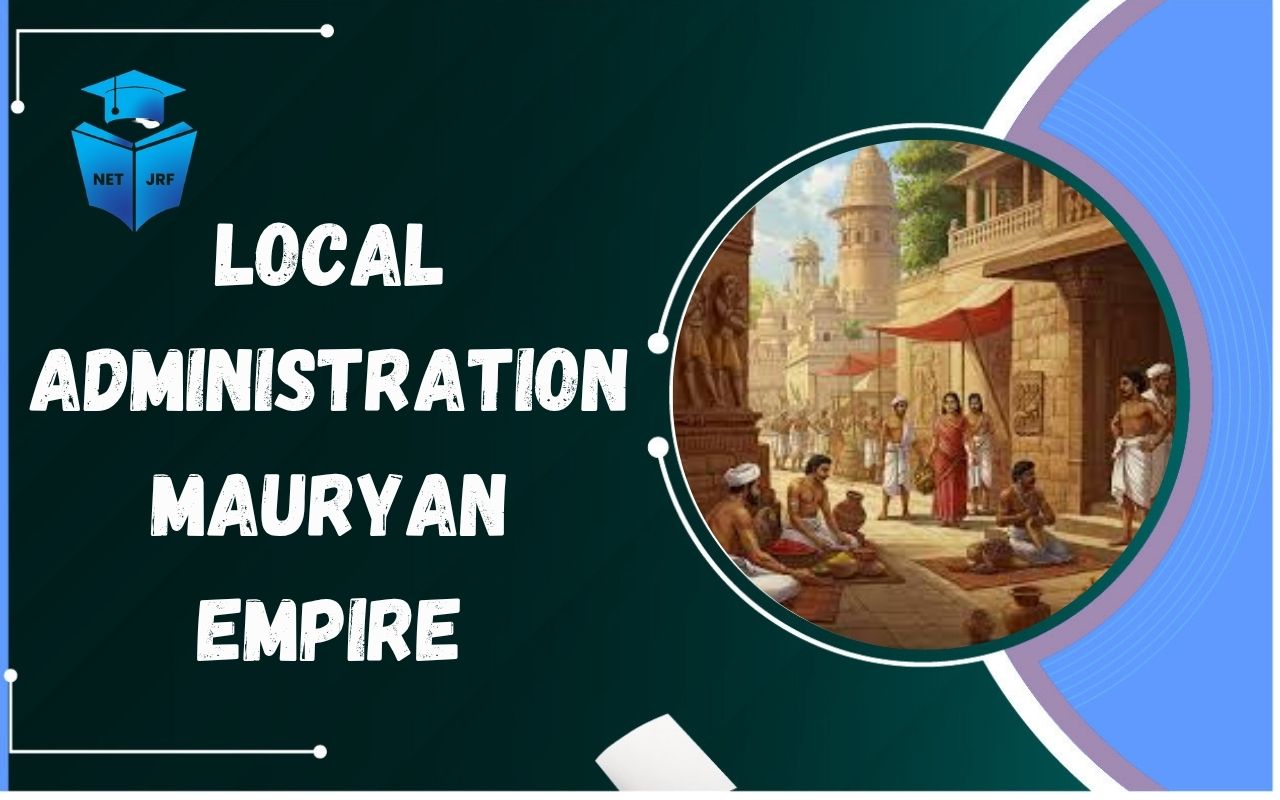
The local administration of the Mauryan Empire was the foundation of its governance system. While the king and provincial officers handled large areas, real control at the ground level depended…