UGC NET Notes: Syllabus, Study Materials & Preparation Tips
Introduction
The UGC NET (University Grants Commission National Eligibility Test) is one of the most prestigious exams for aspiring Assistant Professors and Junior Research Fellows in India. To succeed in this competitive exam, well-structured and comprehensive UGC NET Notes play a crucial role.
This article provides an in-depth guide to UGC NET Notes, including subject-wise study materials, preparation strategies, and expert tips to help candidates achieve their academic goals.
Importance of UGC NET Notes
Well-organized UGC NET Notes can help aspirants:
- Understand core concepts quickly
- Revise efficiently before the exam
- Retain important facts and formulas
- Save time by focusing on relevant topics
- Improve answer-writing skills for Paper II
UGC NET Exam Pattern
The UGC NET exam consists of two papers:
PaperNumber of QuestionsMarksDuration
| Paper I (Teaching & Research Aptitude) |
50 |
100 |
1 Hour |
| Paper II (Subject-Specific) |
100 |
200 |
2 Hours |
- Paper I assesses teaching and research aptitude, reasoning ability, and general awareness.
- Paper II is based on the candidate’s chosen subject from the UGC NET syllabus.
Subject-Wise UGC NET Notes
1. Teaching Aptitude (Paper I)
- Concept of Teaching: Characteristics, objectives, levels of teaching
- Methods of Teaching: Teacher-centered vs. learner-centered approaches
- Evaluation Systems: Types of assessment, feedback mechanisms
- Higher Education System: Governance, policies, and regulatory bodies
2. Research Aptitude (Paper I)
- Research Methods: Qualitative and quantitative approaches
- Data Interpretation: Statistical tools, hypothesis testing
- Ethical Considerations: Plagiarism, referencing styles
3. Communication (Paper I)
- Types of Communication: Verbal, non-verbal, written
- Barriers to Effective Communication: Psychological, linguistic, cultural barriers
- Mass-Media and Society: Role of media in education
4. Logical Reasoning (Paper I)
- Statements & Arguments: Deductive and inductive reasoning
- Number Series & Coding-Decoding
- Syllogism & Analogies
5. Data Interpretation (Paper I)
- Graphical Representation: Pie charts, bar graphs, tables
- Calculation Techniques: Averages, percentages, ratios
6. Subject-Specific Notes (Paper II)
Each subject under Paper II requires detailed preparation. Here’s a brief overview of commonly chosen subjects:
Political Science
- Theories of state and government
- Indian Constitution & Governance
- International Relations and Foreign Policies
History
-
Ancient, Medieval & Modern History of India
-
World History: Revolutions and Global Conflicts
Archaeological Sources & Research Methods
Commerce
- Accounting & Auditing
- Business Management & HRM
- Financial Markets & Banking Systems
Economics
- Micro & Macroeconomics
- Economic Theories & Development Models
- Public Finance & Budgeting
English Literature
- British, American & Indian Literature
- Literary Criticism & Theories
- Linguistics & Phonetics
How to Prepare Using UGC NET Notes?
1. Follow a Structured Study Plan
- Allocate 2-3 hours daily for revision.
- Prioritize weak areas first.
- Revise Paper I concepts alongside Paper II topics.
2. Make Topic-Wise Short Notes
- Write important definitions, formulas, and dates in a separate notebook.
- Use mnemonics & mind maps to remember complex topics.
3. Solve Previous Year Question Papers
- Attempt at least 5-10 years of past papers.
- Analyze trends in questions and weightage.
4. Take Online Mock Tests
- Practice full-length tests under timed conditions.
- Focus on improving accuracy and speed.
5. Use Digital Resources
| Resource Type |
Recommended Websites & Platforms |
| UGC NET Notes & Study Materials |
JRF Adda, NTA UGC NET Portal, NCERT e-books |
| Online Courses & Lectures |
Unacademy, BYJU’S, Gradeup, SWAYAM |
| Mock Tests & Quizzes |
Testbook, Adda247, JRF Adda |
Best Books for UGC NET Preparation
| Subject |
Recommended Books |
| Paper I (General) |
Trueman’s UGC NET, Arihant’s Paper I Guide |
| Commerce |
NTA UGC NET Commerce by KVS Madan |
| Political Science |
UGC NET Political Science by Rukmini Bhattacharya |
| History |
UGC NET History by Poonam Dalal Dahiya |
| English Literature |
UGC NET English by Dr. B.B. Jain |
Time Management Tips for UGC NET
- Morning: Revise concepts from Paper I
- Afternoon: Study core subjects for Paper II
- Evening: Attempt quizzes and mock tests
- Night: Review short notes before sleeping
Common Mistakes to Avoid
- Skipping Paper I Preparation: Many candidates focus only on Paper II, which is a mistake.
- Ignoring Time Management: Solving 150 questions in 3 hours requires practice.
- Not Referring to Standard Books: Always rely on UGC-recommended books and sources.
Conclusion
UGC NET Notes are an indispensable tool for aspirants aiming for JRF and Assistant Professorship. With a well-structured study plan, reliable books, and effective time management, success in UGC NET is achievable. Utilize JRF Adda’s free study materials and expert guidance to boost your preparation!
Stay consistent, stay motivated, and crack the UGC NET exam with confidence!
FAQs
Q1: Can I qualify for UGC NET by studying only notes?
A: Notes help in revision, but you must also refer to textbooks, mock tests, and previous year papers.
Q2: Is Paper I more difficult than Paper II?
A: Paper I tests general aptitude, while Paper II is subject-specific. Difficulty varies based on preparation level.
Q3: How often should I revise my notes?
A: Regular revision is essential. Plan to revise at least once a week.
Q4: Are online coaching classes necessary for UGC NET?
A: Not necessarily, but they can be beneficial for concept clarity and doubt-solving.
Q5: What is the best way to make effective UGC NET notes?
A: Summarize key points, use bullet points, highlight important concepts, and create diagrams for better retention.
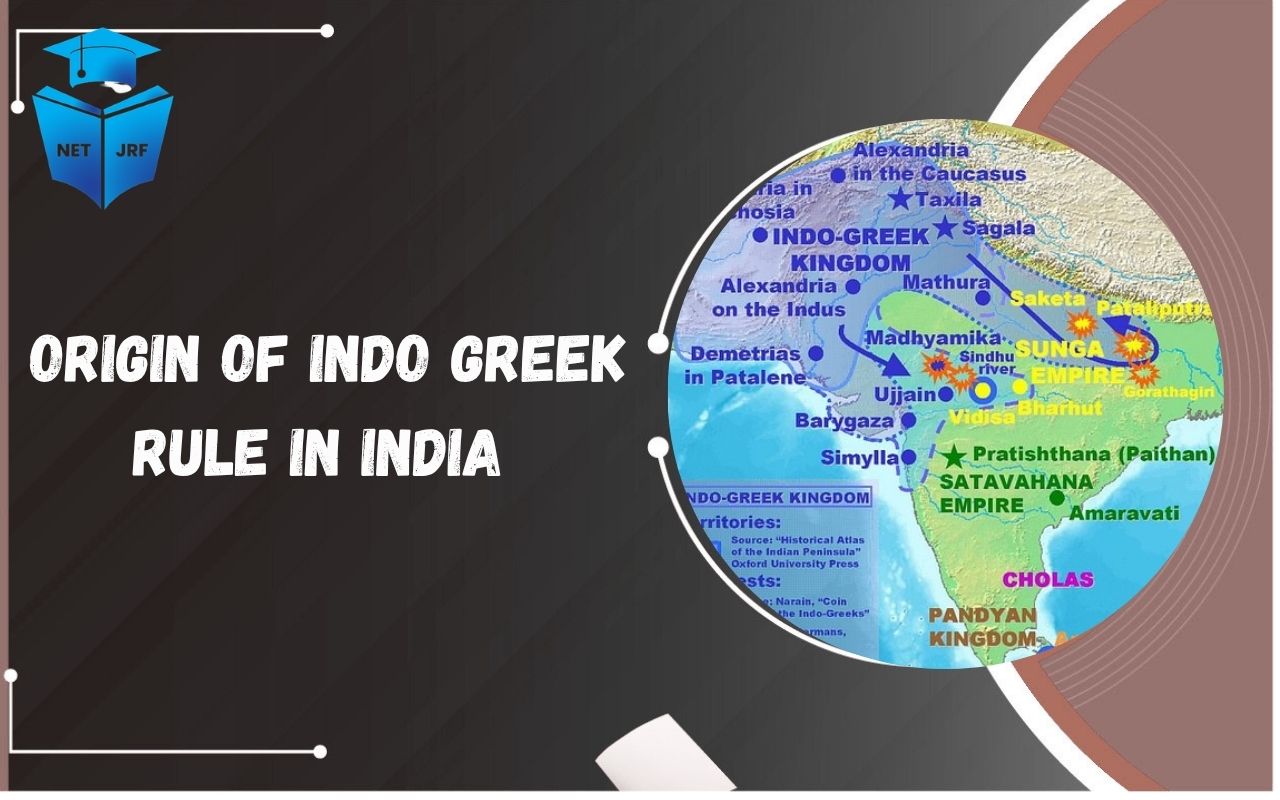
Origin of Indo-Greek rule in India begins with the expansion of Greek power into north-western regions after the decline of strong Indian empires. This phase represents an important turning point…
The Disintegration of Mauryan administration is a key topic in ancient Indian history. The Disintegration of Mauryan administration helps us understand how a powerful and well-organized system slowly collapsed due…
The decline of the Mauryan empire is an important topic in ancient Indian history. The decline of the Mauryan empire helps us understand how a powerful empire slowly lost its…
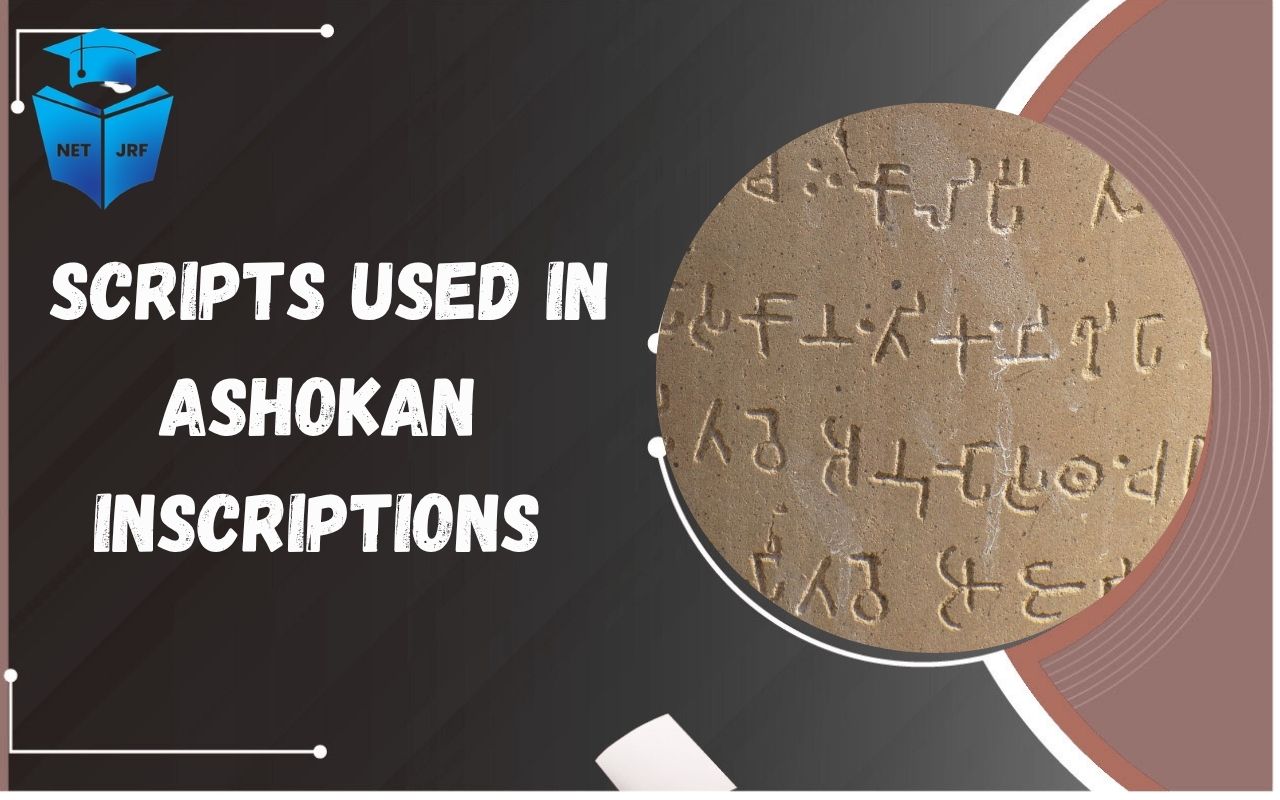
The Scripts used in Ashokan inscriptions form a key part of ancient Indian history. These inscriptions help us understand how Ashoka the Great communicated with people across his vast empire.…
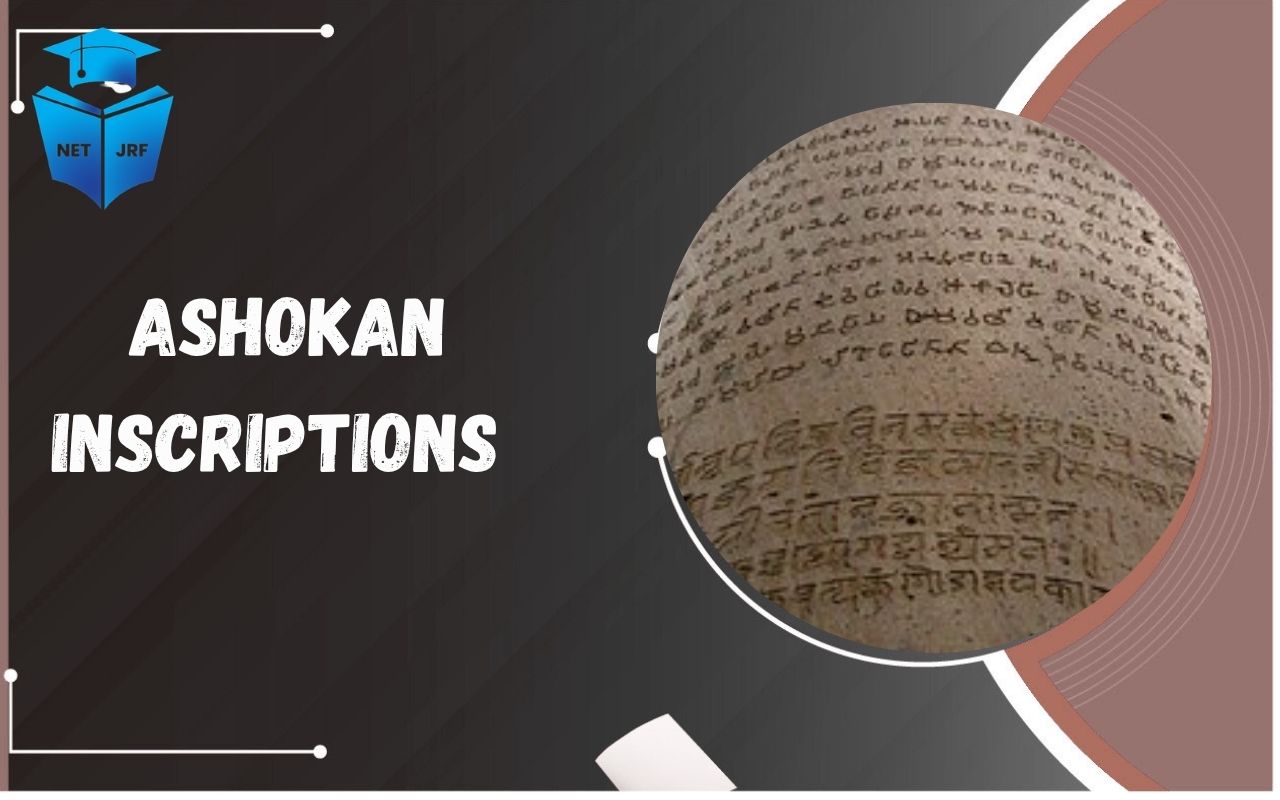
Language used in Ashokan inscriptions plays a very important role in understanding the administrative system, cultural diversity, and communication strategy of the Mauryan Empire. Emperor Ashoka wanted his message of…
After the fall of the powerful Mauryan Empire, many new rulers and kingdoms appeared in different parts of India. One of the most important among them was the Indo-Greeks. These…
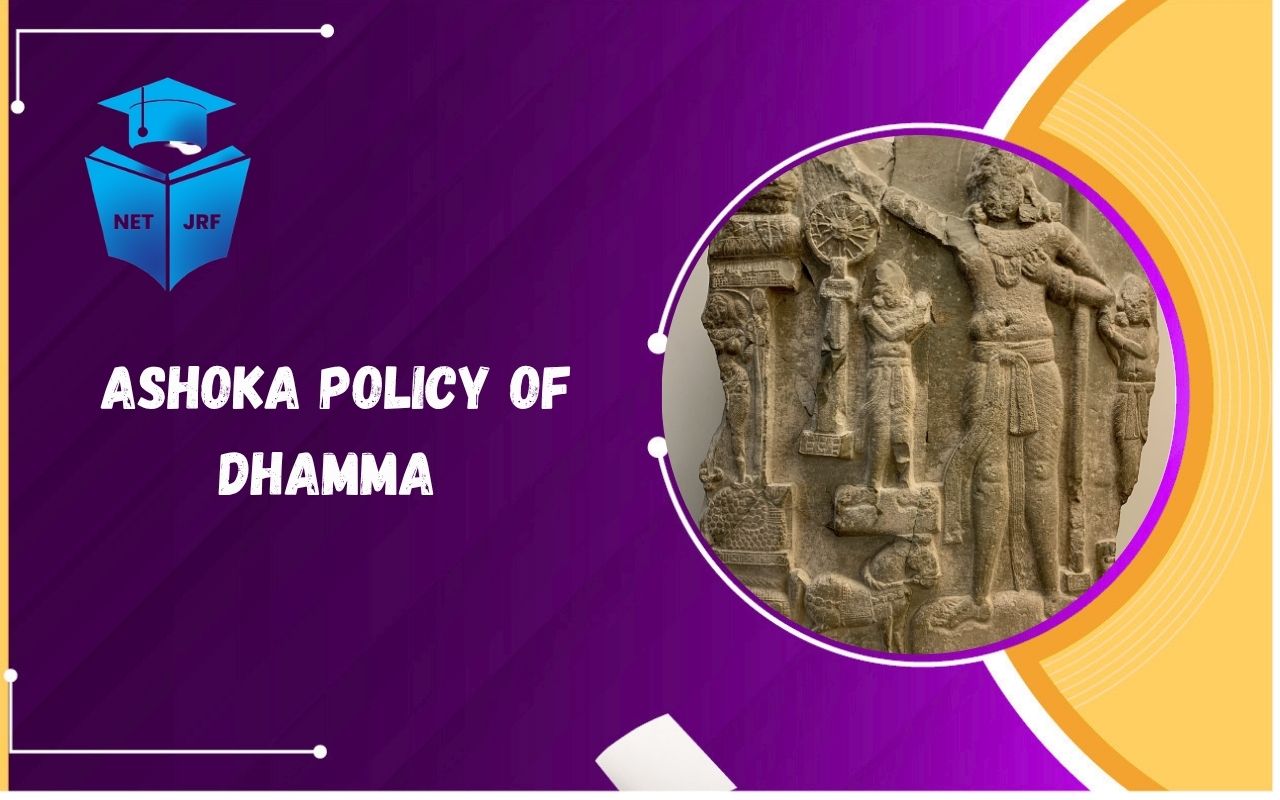
The Dhamma of Ashoka was a unique policy that combined moral principles with governance. It was not limited to any one religion but aimed at promoting ethical conduct, social harmony,…
After the Kalinga War, Ashoka underwent a profound transformation, turning from a conqueror into a ruler guided by moral and ethical principles. To promote peace, welfare, and harmony within his…
The Kalinga War was one of the most important events in ancient Indian history. It marked a turning point in the life of Emperor Ashoka and changed the direction of…
Taxation system of Mauryan state was one of the most organized economic systems in ancient India. It helped the empire maintain a strong treasury, support administration, and fund military activities.…