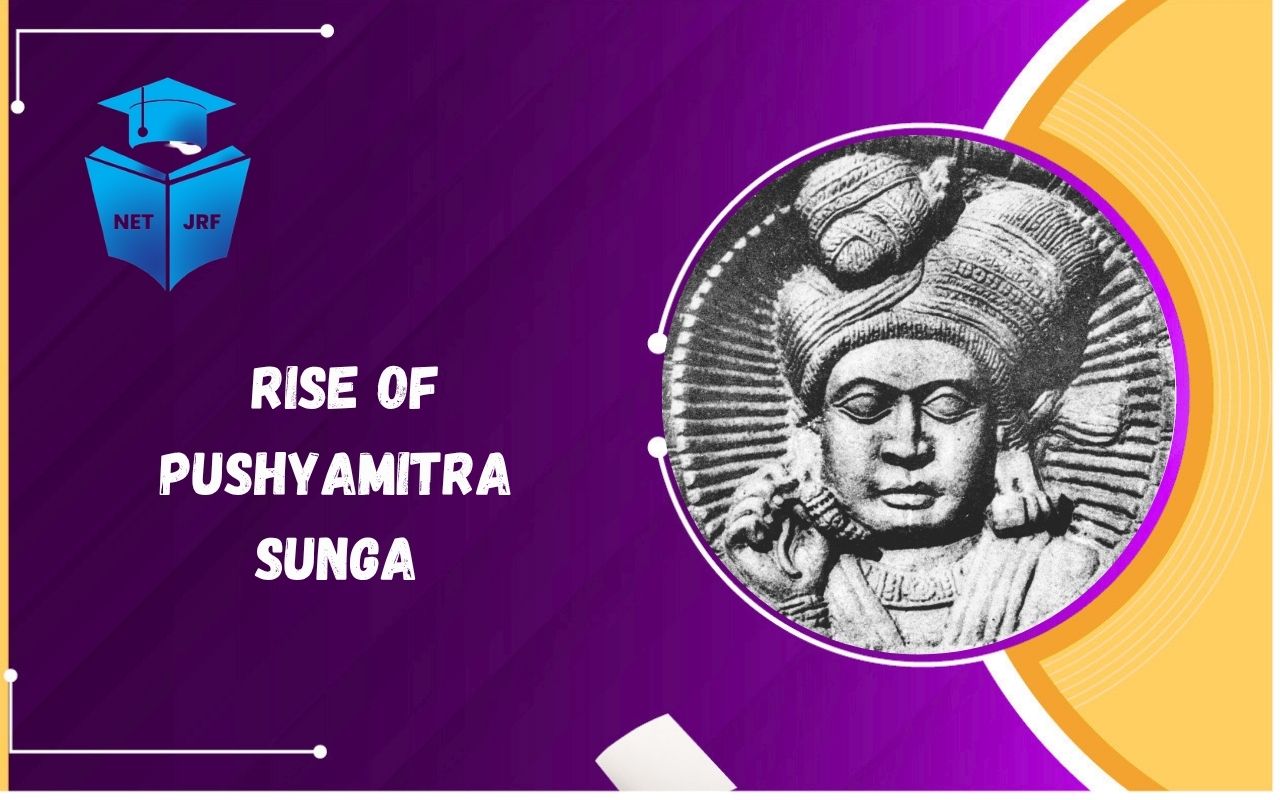
Rise of Pushyamitra Sunga Fall of Mauryan Empire and Shunga Rule
The Rise of Pushyamitra Sunga is one of the most important turning points in ancient Indian history. The Rise of Pushyamitra Sunga shows how a powerful empire like the Mauryas…


The UGC NET (University Grants Commission National Eligibility Test) is one of the most prestigious exams for aspiring Assistant Professors and Junior Research Fellows in India. To succeed in this competitive exam, well-structured and comprehensive UGC NET Notes play a crucial role.
This article provides an in-depth guide to UGC NET Notes, including subject-wise study materials, preparation strategies, and expert tips to help candidates achieve their academic goals.
Well-organized UGC NET Notes can help aspirants:
The UGC NET exam consists of two papers:
PaperNumber of QuestionsMarksDuration
| Paper I (Teaching & Research Aptitude) | 50 | 100 | 1 Hour |
| Paper II (Subject-Specific) | 100 | 200 | 2 Hours |
Each subject under Paper II requires detailed preparation. Here’s a brief overview of commonly chosen subjects:
| Resource Type | Recommended Websites & Platforms |
| UGC NET Notes & Study Materials | JRF Adda, NTA UGC NET Portal, NCERT e-books |
| Online Courses & Lectures | Unacademy, BYJU’S, Gradeup, SWAYAM |
| Mock Tests & Quizzes | Testbook, Adda247, JRF Adda |
| Subject | Recommended Books |
| Paper I (General) | Trueman’s UGC NET, Arihant’s Paper I Guide |
| Commerce | NTA UGC NET Commerce by KVS Madan |
| Political Science | UGC NET Political Science by Rukmini Bhattacharya |
| History | UGC NET History by Poonam Dalal Dahiya |
| English Literature | UGC NET English by Dr. B.B. Jain |
UGC NET Notes are an indispensable tool for aspirants aiming for JRF and Assistant Professorship. With a well-structured study plan, reliable books, and effective time management, success in UGC NET is achievable. Utilize JRF Adda’s free study materials and expert guidance to boost your preparation!
Stay consistent, stay motivated, and crack the UGC NET exam with confidence!
A: Notes help in revision, but you must also refer to textbooks, mock tests, and previous year papers.
A: Paper I tests general aptitude, while Paper II is subject-specific. Difficulty varies based on preparation level.
A: Regular revision is essential. Plan to revise at least once a week.
A: Not necessarily, but they can be beneficial for concept clarity and doubt-solving.
A: Summarize key points, use bullet points, highlight important concepts, and create diagrams for better retention.
The Rise of Pushyamitra Sunga is one of the most important turning points in ancient Indian history. The Rise of Pushyamitra Sunga shows how a powerful empire like the Mauryas…
The Political importance of Indo-Greeks is a very important topic in ancient Indian history. The Political importance of Indo-Greeks helps us understand how foreign rulers influenced Indian political systems, administration,…
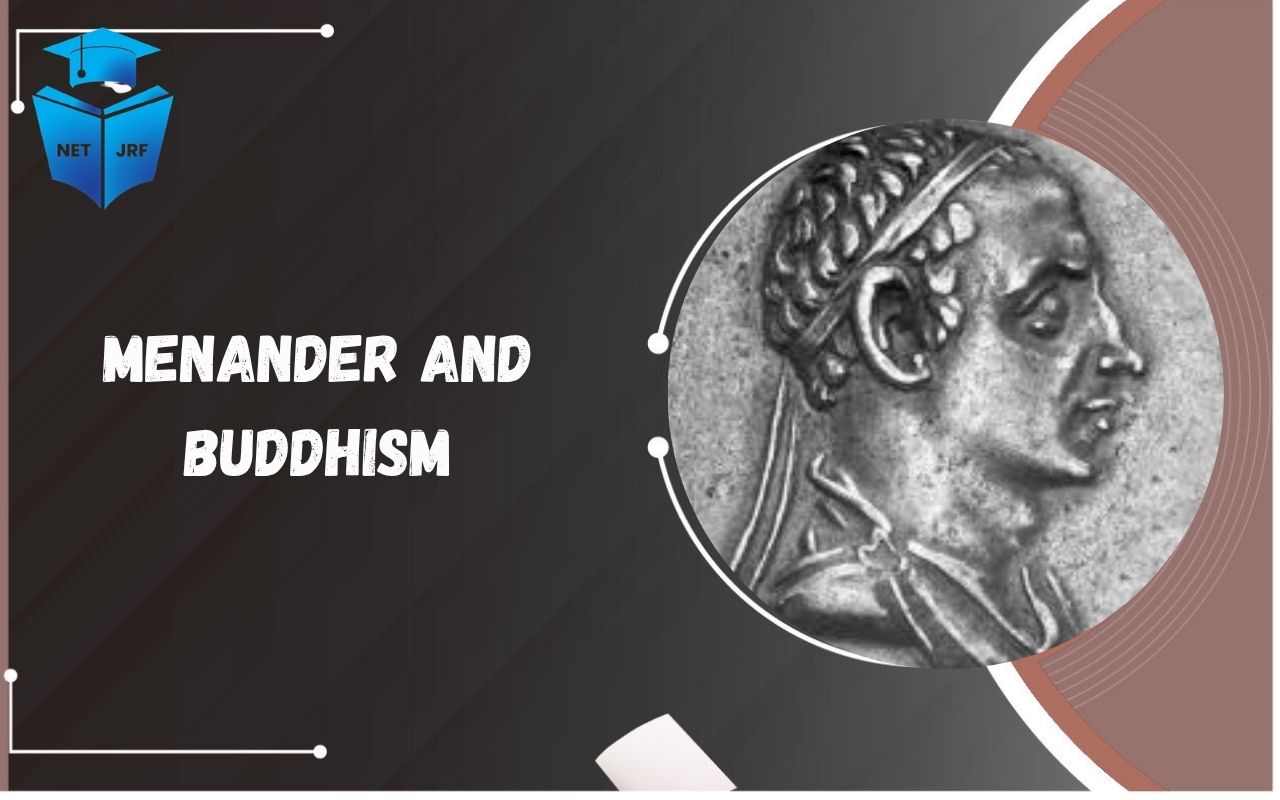
Menander and Buddhism is very important in ancient Indian history. The Menander and Buddhism relationship shows how a foreign ruler accepted Indian philosophical ideas, which created a strong bridge between…
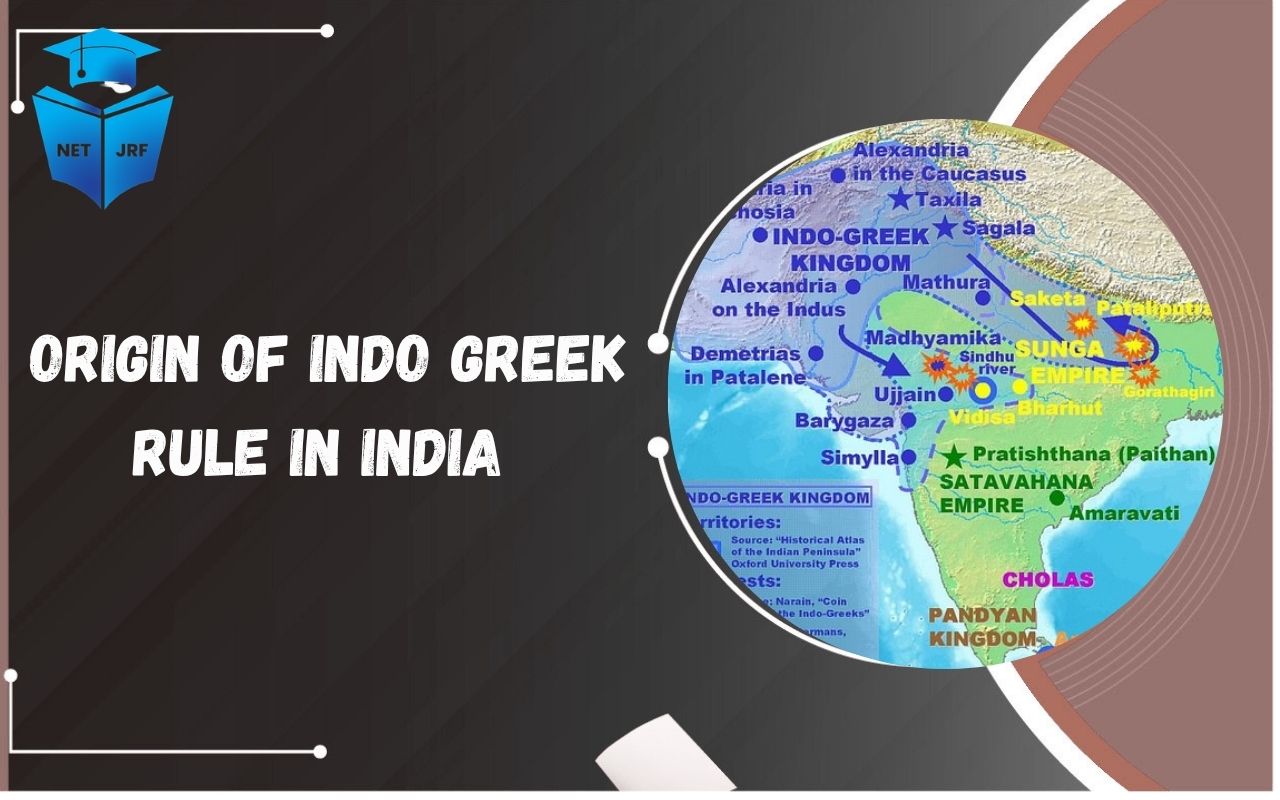
Origin of Indo-Greek rule in India begins with the expansion of Greek power into north-western regions after the decline of strong Indian empires. This phase represents an important turning point…
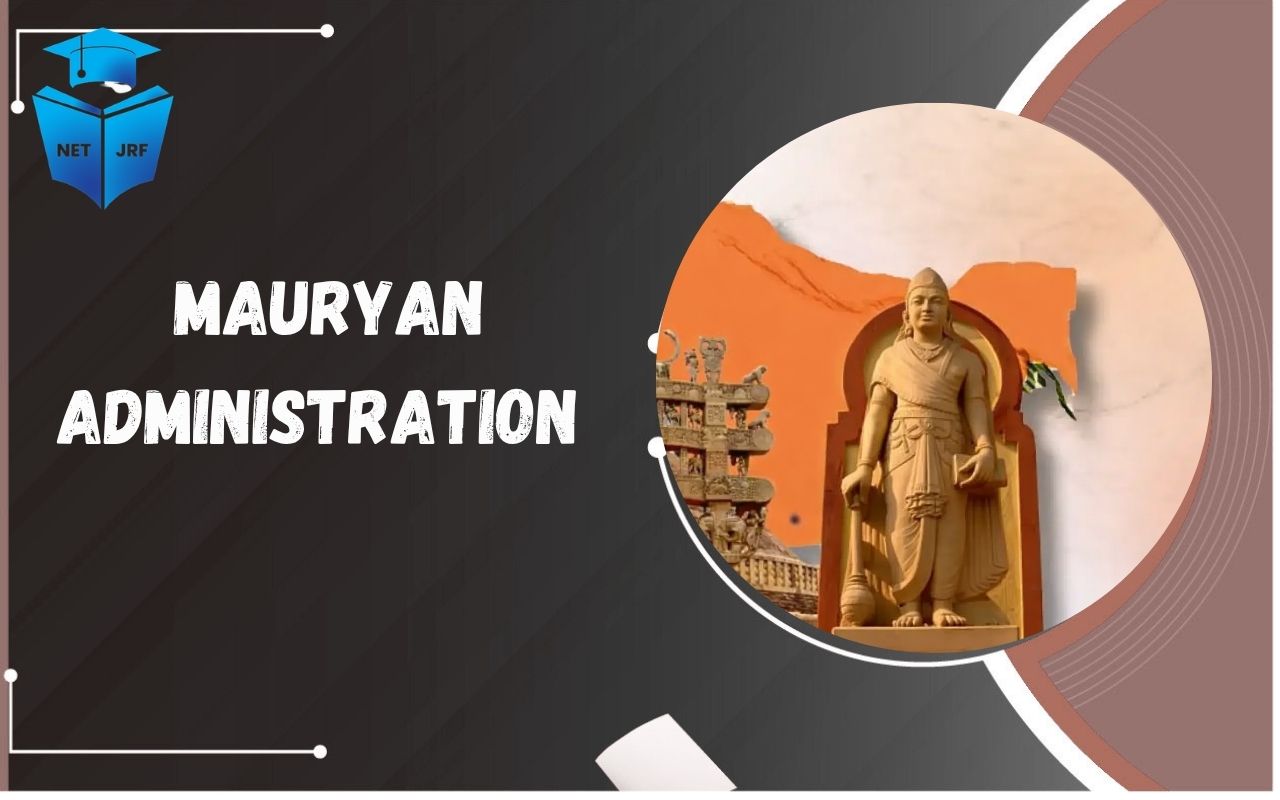
The Disintegration of Mauryan administration is a key topic in ancient Indian history. The Disintegration of Mauryan administration helps us understand how a powerful and well-organized system slowly collapsed due…
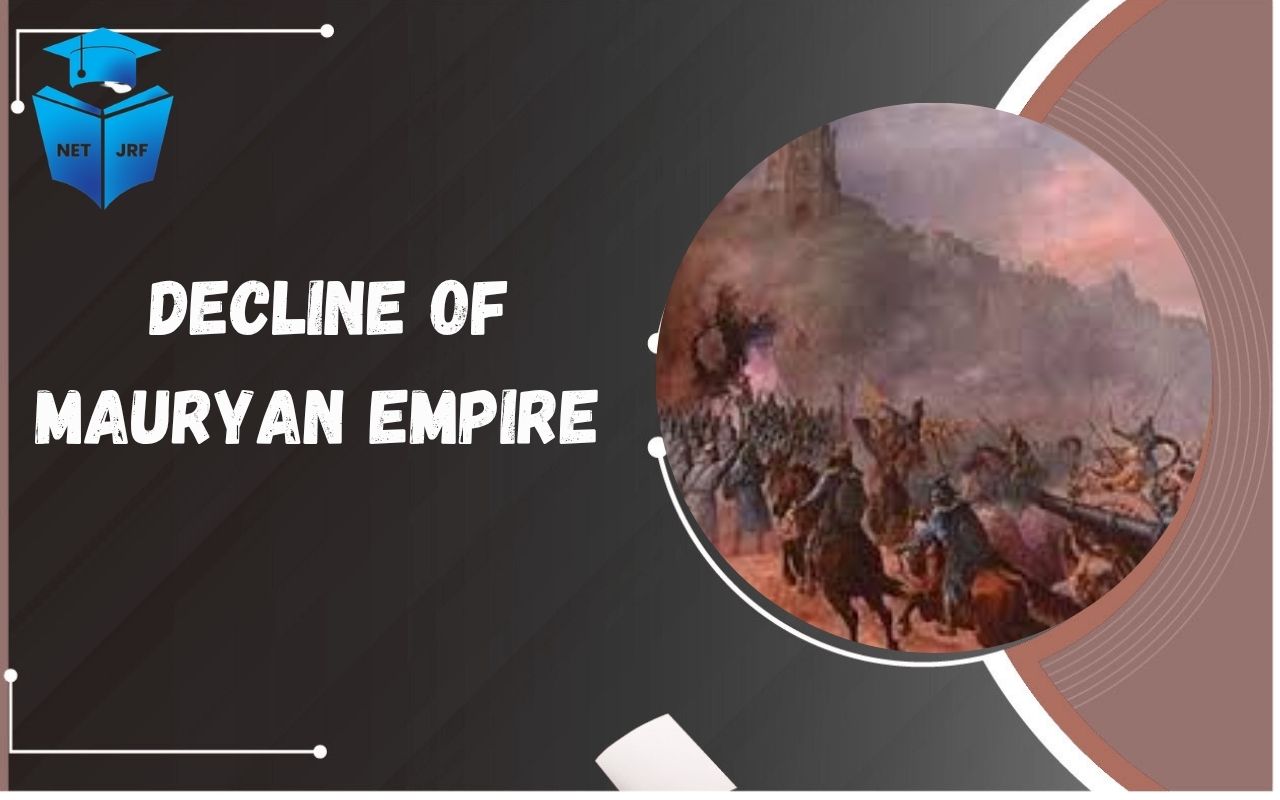
The decline of the Mauryan empire is an important topic in ancient Indian history. The decline of the Mauryan empire helps us understand how a powerful empire slowly lost its…
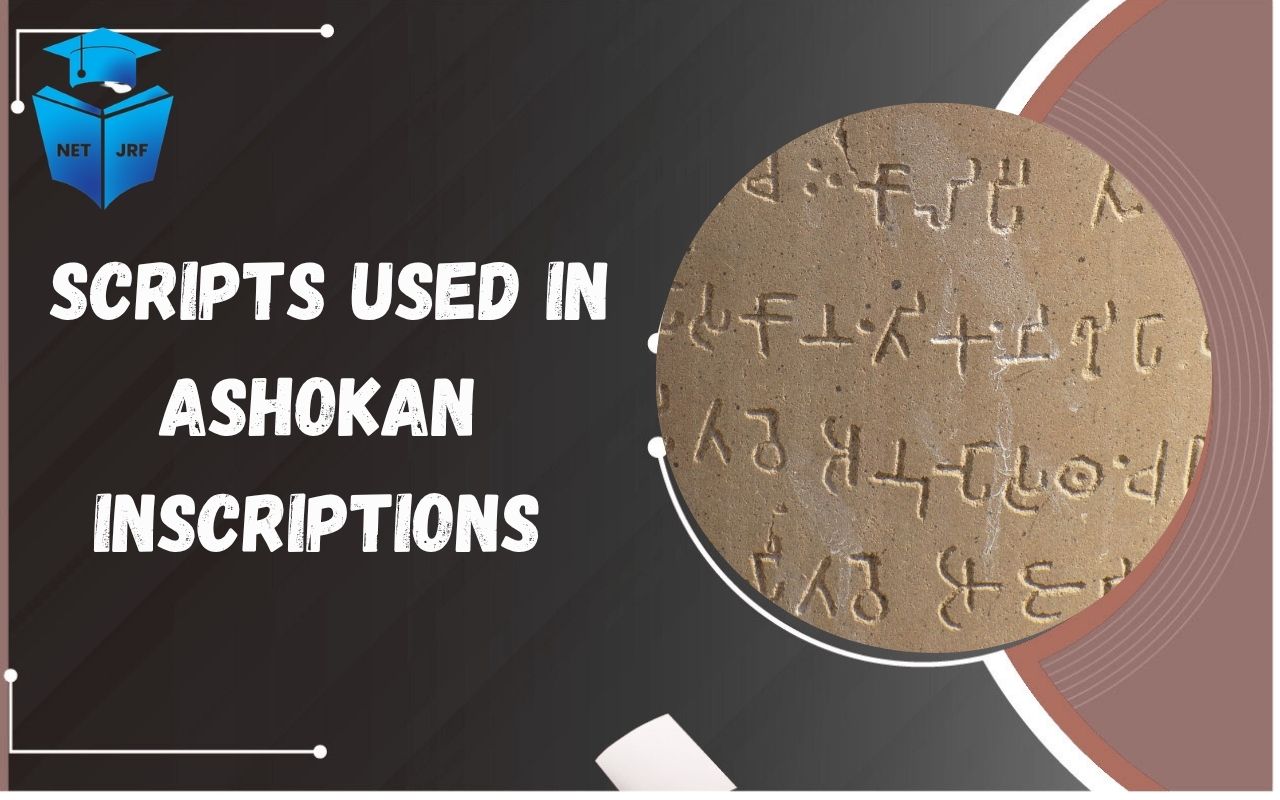
The Scripts used in Ashokan inscriptions form a key part of ancient Indian history. These inscriptions help us understand how Ashoka the Great communicated with people across his vast empire.…
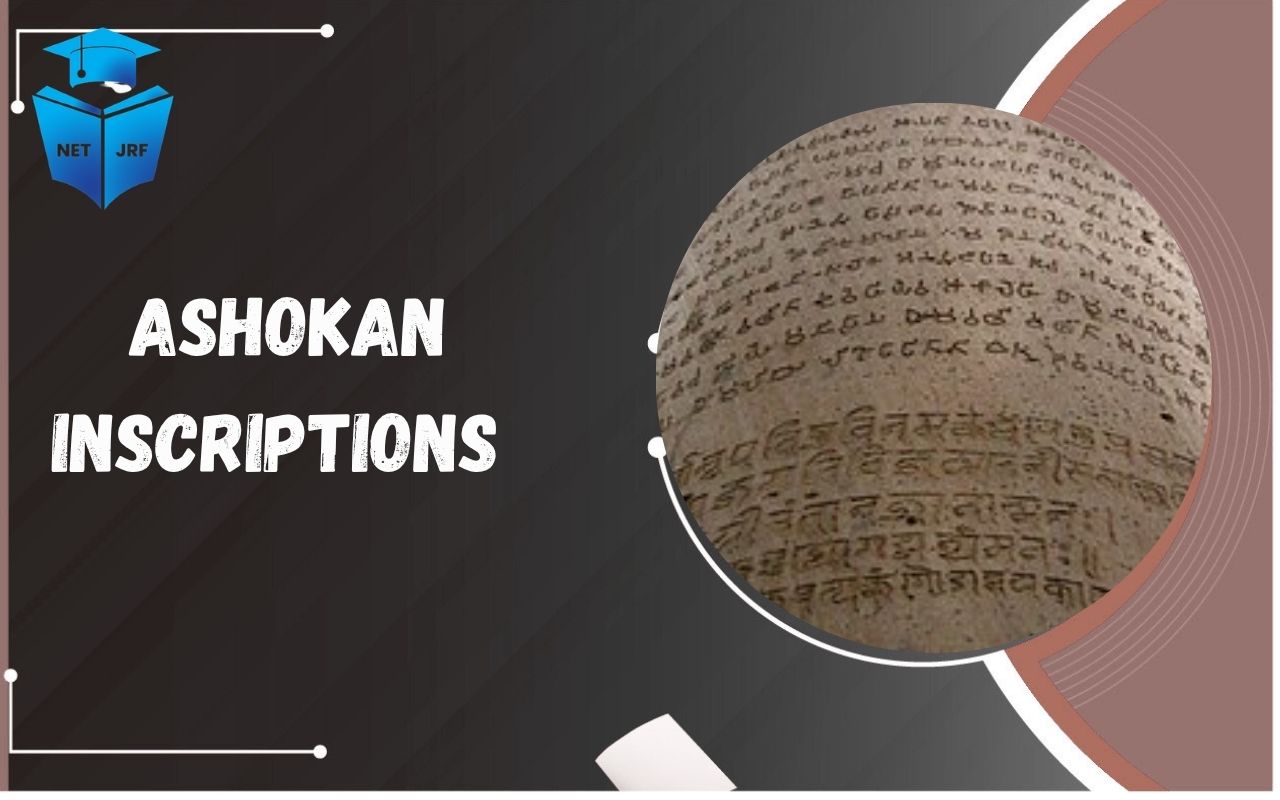
Language used in Ashokan inscriptions plays a very important role in understanding the administrative system, cultural diversity, and communication strategy of the Mauryan Empire. Emperor Ashoka wanted his message of…

After the fall of the powerful Mauryan Empire, many new rulers and kingdoms appeared in different parts of India. One of the most important among them was the Indo-Greeks. These…
The Dhamma of Ashoka was a unique policy that combined moral principles with governance. It was not limited to any one religion but aimed at promoting ethical conduct, social harmony,…