
The Indus Valley Civilization (IVC), which thrived around 2500 BCE, is renowned for its well-planned cities and a thriving trade economy. This ancient civilization had a robust trading system that connected its cities and extended far beyond its borders. Let’s explore how internal and external trade shaped the Indus Valley’s economy and cultural interactions.

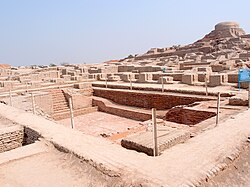
Indus Valley Civilization (IVC) UGC NET Internal Trade
Indus Valley Civilization (IVC) featured active internal trade with villages exchanging surplus agricultural produce, pottery, beads, and textiles within local and regional networks, strengthening economic and social ties.
Indus Valley Civilization Economic Activities
The IVC’s internal trade revolved around the exchange of goods between farmers, artisans, and traders. Farmers supplied surplus crops to urban markets, while artisans crafted a variety of goods for trade. Cities served as hubs for these activities, with specialized industries emerging in certain areas.
Enroll UGC NET Mock Test Series
Indus Valley Civilization Items Traded Internally
The trade within the IVC included daily-use items as well as luxury goods. Some of the key items traded internally were:
| Category | Examples |
| Agricultural Products | Grains, fruits, and vegetables |
| Crafted Goods | Pottery, beads, and textiles |
| Metals | Copper, bronze, and silver |
| Gemstones | Carnelian, agate, and chalcedony |
| Shell Products | Bangles, ornaments, and tools |
These goods were crucial for both day-to-day life and the development of urban centers.
Enroll UGC NET Online Test Series
Indus Valley Civilization Trade Practices
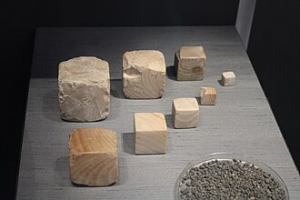
The IVC had a highly organized trade system. Traders used standardized weights and measures made from materials like limestone and steatite. This ensured fair exchanges and smooth transactions. Archaeological evidence of these tools indicates a structured approach to commerce.
Indus Valley Civilization (IVC) UGC NET External Trade and Cultural Exchange
Indus Valley Civilization (IVC) engaged in external trade with regions like Mesopotamia, exchanging goods such as beads, cotton, and pottery, which also facilitated cultural exchange and spread of technologies across regions.
Global Trade Connections
The Indus Valley Civilization was not isolated. It had trade relations with several distant regions, such as:
- Mesopotamia: The IVC exported items like cotton textiles, beads, and jewelry to Mesopotamia.
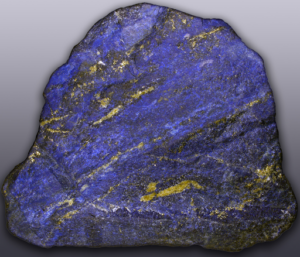
- Central Asia and Afghanistan: These regions supplied metals such as tin and lapis lazuli.
- Southern India: Spices, gold, and semi-precious stones were acquired through trade routes in the south.
Enroll UGC NET Offline Classes in Jaipur
Maritime Trade
One of the most fascinating aspects of IVC trade was its maritime capabilities. Evidence from the port city of Lothal suggests that the civilization had a well-planned dockyard. This dockyard allowed ships and boats to load and unload goods efficiently.

Key Features of Maritime Trade:
- Small, flat-bottomed boats transported goods along rivers and coastal areas.
- Harbors on the Arabian Sea made it easier to trade with nearby regions.
Products Exchanged in External Trade
The Indus people exported goods such as:
- Cotton fabrics
- Jewelry made of carnelian and gold
- Terracotta figurines
In return, they imported:
- Metals like tin and silver
- Cedarwood from the Himalayas
- Jade and other exotic items
Join UGC NET Coaching in Jaipur
Cultural Impact of Trade
External trade wasn’t limited to goods; it also led to cultural exchanges. Indus merchants adapted their products to suit foreign markets, showcasing their entrepreneurial skills. These interactions also brought new ideas, enriching the IVC’s culture.
Indus Valley Civilization (IVC) UGC NET Modes of Trade and Commerce
The Indus Valley Civilization (IVC) used barter as the primary mode of trade, exchanging goods like grains, pottery, beads, and metals. Trade was conducted through river routes, carts, and ports, supporting both local markets and long-distance commerce.
Overland Trade
For internal trade and short-distance exchanges, bullock carts were commonly used. These carts connected cities, towns, and villages, ensuring a steady flow of goods.
Maritime Transport
Maritime trade was crucial for connecting the IVC to distant lands. Boats played a key role in transporting goods across rivers and seas. Coastal harbors allowed ships to dock and facilitated smooth trading activities.
Tools of Trade
The IVC used several tools to regulate trade, including:
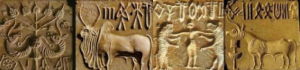
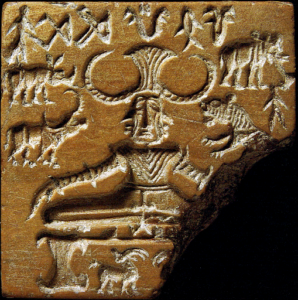
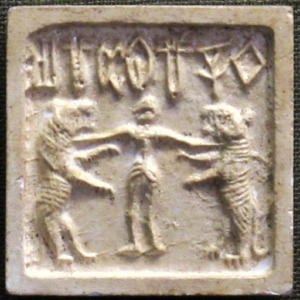
- Seals: These were carved with symbols and used as a form of identification for merchants.
- Weights and Measures: Standardized weights ensured transparency and fairness in transactions.
| Tool | Purpose |
| Seals | Merchant identification and branding
|
| Weights and Cubes | Standardized trade measurements
|
Indus Valley Civilization (IVC) UGC NET Lessons from IVC Trade
The Indus Valley Civilization was a pioneer in trade and commerce, both locally and globally. Its organized systems of internal and external trade, supported by advanced tools and practices, contributed significantly to its economic success.
- The use of maritime trade, long-distance connections, and fair trade practices highlight the sophistication of this ancient economy.
- By studying IVC trade, we gain valuable insights into how ancient societies flourished through commerce.
Indus Valley Civilization (IVC) UGC NET Evidence of External Trade Links
The Indus Valley Civilization (IVC), one of the world’s earliest urban cultures, is famous for its advanced cities, innovations, and trade networks. Evidence shows that the IVC had extensive external trade connections with different parts of Asia and beyond. Let’s explore how this ancient civilization managed to build such impressive trade links.
Geographical Reach: How Far Did the Indus Civilization Trade?
The Indus Civilization’s trade connections spanned vast regions. They traded with:
- Mesopotamia (modern-day Iraq): Indus seals and jewelry have been found here, showing active trade links.
- Central Asia and the Iranian Plateau: Archaeological evidence suggests regular exchanges of goods.
- Arabian Peninsula: Indus artifacts discovered in this region highlight maritime trade.
- Other Regions: Indus goods reached places like the Nile Valley (Egypt), Anatolia (Turkey), and the Caucasus Mountains.
The widespread distribution of Indus goods shows how connected this civilization was to the ancient world.
Artifacts Found Proof of Trade Links
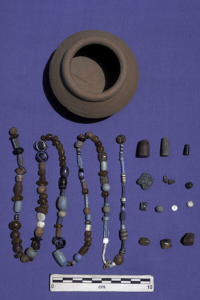
Archaeologists have found many Indus artifacts in foreign lands. Some examples include:
| Artifact | Found In | Significance | ||||
| Indus seals | Mesopotamia |
|
||||
|
|
Indicates luxury trade for high-value items .
|
||||
| Pottery and tools | Central Asia | Suggests exchange of both goods and ideas. | ||||
| Lapis lazuli | Distant regions | Highlights trade in semi-precious stones.
|
These findings provide clear evidence that the IVC was a key player in ancient trade networks.
Maritime Trade: The Role of Indus Ports
The IVC was not just a land-based trading hub; it was also a maritime power. The port city of Lothal is a prime example of their naval capabilities:
- Dockyard: Lothal’s sophisticated dockyard shows advanced engineering, designed for loading and unloading ships.
- Sea Routes: Ships from the IVC traveled through the Arabian Sea to trade with regions like the Gulf and Mesopotamia.
These maritime activities helped the Indus people transport goods over long distances efficiently.
What Did the Indus Civilization Trade?
The IVC exported many goods and imported items that were not locally available. Here’s a breakdown:
| Exported Goods | Imported Goods |
| Terracotta pots | Metals from Iran and Afghanistan |
| Beads and semi-precious stones | Jade from China |
| Metals like copper and gold | Cedar wood from the Himalayas |
| Textiles | Other raw materials for tools |
This exchange of goods not only boosted their economy but also enriched their cultural practices.
Cultural Exchange: Beyond Trade
Trade was not limited to the exchange of goods; it also included ideas and culture. For instance:
- Adaptation to Foreign Markets: Indus merchants tailored their products to suit the preferences of other regions. This shows they understood market demands.
- Seals with Unique Designs: Indus seals often featured specific symbols, possibly used to regulate and organize trade efficiently.
Such practices indicate a well-organized system of commerce that went beyond mere economic transactions.
Unique Examples of Indus Trade Links
- In Mesopotamia, a clay tablet mentions a place called “Meluhha,” believed to refer to the Indus region. This shows that Mesopotamian traders were aware of the IVC.
- In the Arabian Peninsula, ancient storage jars containing Indus-style pottery were found, indicating trade of everyday goods.
- In Central Asia, Indus beads made of carnelian stone were discovered, highlighting trade in luxury items.

Why Was Trade Important for the Indus Civilization?
Trade played a crucial role in the prosperity of the Indus Valley Civilization. It allowed:
- Access to raw materials not available locally.
- Economic growth through the export of surplus goods.
- Cultural interactions that enriched society.
- Establishment of the IVC as a major hub in ancient global trade.
Indus Civilization’s Remarkable Trade Legacy
The Indus Valley Civilization was a pioneer in building international trade networks.
- Their ability to connect with distant regions through both land and sea routes made them a significant player in ancient commerce.
- By exporting high-quality goods and importing rare materials, they ensured their cities thrived. These trade practices, combined with cultural exchanges, left a lasting legacy that continues to fascinate historians and archaeologists alike.
Conclusion
The Indus Valley Civilization (IVC) exemplified an advanced trade economy with both internal and external connections. Their efficient systems of weights, measures, and seals facilitated commerce within the civilization, while maritime and overland trade routes connected them to distant regions like Mesopotamia, Central Asia, and the Arabian Peninsula. The IVC’s ability to adapt to market demands, foster cultural exchange, and manage large-scale trade highlights its economic and cultural significance, making it a cornerstone of ancient global commerce.
Indus Valley Civilization (IVC) UGC NET FAQs

With which regions did the Indus Valley Civilization have trade relations?
The IVC traded with Mesopotamia, Central Asia, Afghanistan, the Arabian Peninsula, Southern India, and possibly regions like Egypt and Anatolia.
What tools did the Indus people use for trade?
The IVC used seals for merchant identification and standardized weights and measures for fair trade practices.
What evidence supports the existence of maritime trade in the IVC?
Archaeological findings, such as the dockyard at Lothal and Indus artifacts in Gulf and Mesopotamian regions, prove the existence of maritime trade.
Why was trade important for the Indus Valley Civilization?
Trade provided access to raw materials, boosted the economy through surplus exports, and fostered cultural and technological exchanges with other regions.