

Society in Gupta Period: Jati System, Religion, Status of Women, Guilds

Society in Gupta period in this topic you learn how varna and jati shaped social structure what role religion guilds and occupations played and how women education urban life and cultural practices influenced daily life during the Gupta age.

vishal

society in gupta period

Table of Contents

Society in Gupta period was mainly based on the varna system, but it became more complex with the rise of jatis. Social life was organized, yet differences between groups increased.This period is often called a classical age, not only for culture but also for social development.

Study Planner

Varna System in Gupta Period

During the Gupta period, society largely followed the traditional four-fold varna system, which organized people based on their duties and occupation. Over time, these divisions became more rigid and hierarchical.

Main Varnas:

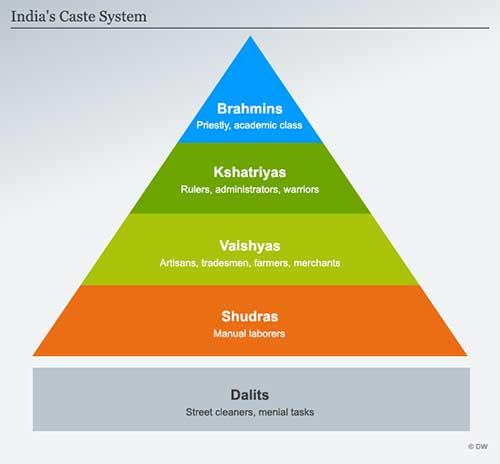
  1. Brahmins – Priests, scholars, and teachers of religious texts. They performed rituals, guided kings, and preserved knowledge.
  2. Kshatriyas – Warriors and rulers responsible for protecting the kingdom and administering law and order.
  3. Vaishyas – Farmers, traders, and merchants who supported the economy through agriculture, trade, and animal husbandry.
  4. Shudras – Laborers and service providers who performed manual work and served other groups.

Enroll UGC NET Online Coaching

Rise of Jati System

A notable development in Gupta society was the growth of the jati system.

What is Jati?

  • Sub-castes within each varna, based on occupation and birth.
  • Example: Within Vaishyas, some jatis specialized in weaving, others in trading.

Impact:

  • Increased social rigidity.
  • Limited mobility between groups, making it harder for people to change their occupation or social status.
  • Society became more hierarchical and structured around birth and profession.

Position of Brahmins

Brahmins held a privileged position in Gupta society.

Reasons for High Status:

  • Deep knowledge of religious scriptures and rituals.
  • Religious authority that guided both rulers and common people.
  • Strong support from Gupta kings, who granted them land, wealth, and privileges.

Privileges:

  • Land grants called brahmadeya.
  • Advisory roles in administration.
  • Respect and social influence across the empire.

Status of Kshatriyas

Kshatriyas were essential for governance and protection.

Functions:

  • Defense of the kingdom through military strength.
  • Administration and implementation of the king’s policies.

Relationship with Brahmins:

  • Kshatriyas relied on Brahmins for religious guidance and legitimacy.
  • This interdependence reinforced the social hierarchy.

Enroll UGC NET Online Course

Gupta period Role of Vaishyas

Vaishyas formed the economic backbone of Gupta society.

Activities:

  • Trade and commerce: Managed markets and guilds.
  • Agriculture: Produced food and supported urban centers.
  • Animal husbandry: Supplied dairy and livestock products.

Importance:

  • Facilitated economic growth.
  • Supported wealth accumulation in cities and towns.


Gupta period Condition of Shudras

In the social hierarchy of the Gupta period, Shudras occupied the lowest position among the four varnas. Their role was mainly to serve the upper varnas, especially Brahmins, Kshatriyas, and Vaishyas.

Situation

  • Shudras were primarily engaged in service-oriented occupations, such as farming, labor work, and assisting artisans.
  • They had limited social and religious rights, often excluded from important rituals and sacred learning.
  • Strict caste rules ensured that their social mobility remained very low.

Some Improvements

  • Despite restrictions, some Shudras found employment in villages and towns, which helped them earn a stable livelihood.
  • A few skilled individuals gained recognition in crafts and trade, though such cases were not very common.

Overall, their condition remained restricted, but economic participation offered slight improvement compared to earlier times.

Untouchability and Social Exclusion
untouchability and social exclusion

The Gupta period also witnessed the presence and growth of untouchability, which deepened social divisions.

Features

  • Certain communities were considered “impure” and untouchable.
  • These groups faced severe discrimination in daily life.
  • They were often excluded from temples, rituals, and public spaces.

This system clearly reflects the inequality and rigidity of society during this period.

Gupta period Status of Women

The condition of women in the Gupta period was mixed, with both positive and negative aspects.

Positive Aspects

  • Women could participate in religious ceremonies along with men.
  • Some women, especially from upper classes, had access to education and learning.

Negative Aspects

  • Compared to earlier periods, there was a decline in women’s overall status.
  • The practice of child marriage became more common.
  • Women had limited independence and were mostly confined to domestic roles.

Thus, while some privileges existed, patriarchal control became stronger over time.

Enroll UGC NET Coaching in Jaipur

Gupta period Education System

Education was highly valued in Gupta society, especially among the upper classes.

Features

  • The Gurukul system was the main method of education, where students lived with their teachers.
  • Subjects included Vedas, philosophy, mathematics, astronomy, and science.
  • Famous centers like Nalanda University became major hubs of learning.

However, education was not accessible to all, as it was mainly limited to higher varnas.

Occupations and Professions

The Gupta period had a diverse and organized occupational structure.

App JRF Adda

Main Professions

  • Agriculture was the backbone of the economy.
  • Trade and commerce flourished, connecting different regions.
  • Crafts and industries like pottery, weaving, and metalwork were important.
  • Administrative roles were handled by officials and officers.

In most cases, a person’s occupation was determined by their caste, limiting career flexibility.

Gupta period Role of Guilds

Guilds played a crucial role in the economic and social life of Gupta society.

Functions

  • They organized artisans and craftsmen into professional groups.
  • Guilds helped in regulating trade and maintaining quality standards.
  • They also provided social security, supporting members during hardships.

In many ways, guilds acted as early economic institutions, combining both business and welfare functions.

Enroll UGC NET Offline Coaching in Jaipur

Gupta period Urban and Rural Life

Gupta society was a blend of rural simplicity and urban development.

Rural Life

  • Most people lived in villages.
  • Agriculture was the main occupation.
  • Life was simple and closely tied to nature.

Urban Life

  • Cities were centers of trade, administration, and culture.
  • They witnessed economic growth and cultural activities.

Both rural and urban areas were interconnected, supporting each other through trade and resources.

Gupta period Religion and Its Influence on Society

Religion played a central role in shaping society during the Gupta period. It was not just a matter of belief but influenced daily behavior, customs, and social structure.

Key Features

  • Dominance of Hinduism: Hinduism became the most influential religion, with the worship of gods like Vishnu and Shiva becoming widespread. Rituals, sacrifices, and temple-building activities increased.
  • Growth of Buddhism and Jainism: Even though Hinduism was dominant, religions like Buddhism and Jainism continued to flourish and attract followers. Monasteries and learning centers supported their growth.
  • Religious Tolerance: The Gupta rulers generally followed a policy of tolerance, allowing different religions to coexist peacefully.
  • Impact on Daily Life: Religion guided moral values, duties (dharma), festivals, and social rules, influencing how people lived their everyday lives.

Thus, religion acted as a foundation of social order and cultural unity.

Food and Lifestyle

The lifestyle of people in the Gupta period was generally simple, disciplined, and culturally rooted.

Gupta period Food Habits

  • The common diet included rice, wheat, pulses, fruits, and vegetables.
  • A vegetarian diet was widely followed, especially among upper castes due to religious beliefs.
  • Meat consumption existed but was less common in many communities.

JRF Adda Book

Gupta period Lifestyle

  • People wore simple clothes, such as dhotis and sarees made from cotton or silk.
  • Both men and women enjoyed wearing ornaments, especially gold and silver jewelry.
  • Daily life reflected traditional values, simplicity, and religious discipline.

Overall, life was not luxurious for most people, but it was orderly and culturally rich.

Festivals and Entertainment

Despite a structured society, people in the Gupta period actively enjoyed cultural and recreational activities.

Examples

  • Religious Festivals: Festivals were celebrated with great enthusiasm and were closely linked to religious beliefs and seasonal changes.
  • Music and Dance: These were important forms of entertainment and were also connected to temple rituals and royal courts.
  • Drama and Theatre: Sanskrit plays and performances were popular, reflecting high cultural development.

Entertainment was not just for leisure it also helped in preserving culture and strengthening social bonds.

Social Mobility

The Gupta period society was highly stratified, with limited opportunities for changing one’s social status.

Features

  • A person’s position in society was determined by birth (caste system).
  • It was very difficult to move from one caste to another, making the system rigid.

Some Flexibility

  • In practice, there were minor exceptions, especially in occupations and economic roles.
  • Some individuals could improve their economic condition through trade or skills, but their social status largely remained unchanged.

Thus, while society appeared rigid, practical life allowed limited flexibility in certain areas.

Religion and social life in the Gupta period were deeply interconnected. While religion provided moral guidance and cultural unity, social practices like caste and limited mobility created inequality. At the same time, simple living, cultural activities, and tolerance made this period vibrant and culturally advanced.

Read UGC NET Notes
1 Archaeological Sources for UGC NET Epigraphy – Study of Inscriptions Meaning of Historical Sources Archaeological
2 Meaning of Historical Sources Archaeological Sources for UGC NET Literary Sources in History Archaeological
3 Exploration in Archaeology Excavation Techniques in Archaeology Dating of Archaeological Sites Archaeological
4 Excavation Techniques in Archaeology Exploration in Archaeology Dating of Archaeological Sites Archaeological
5 Epigraphy – Study of Inscriptions Inscriptions in Reconstructing History Numismatics in History Archaeological
6 Inscriptions in Reconstructing History Epigraphy – Study of Inscriptions Archaeological Sources for UGC NET Archaeological
7 Numismatics in History Importance of Coins in History Epigraphy – Study of Inscriptions Archaeological
8 Importance of Coins in History Numismatics in History Archaeological Sources for UGC NET Archaeological
9 Dating of Archaeological Sites Excavation Techniques in Archaeology Dating Ancient Literary Sources Archaeological
10 Indigenous Literature Literary Sources in History Secular Literature as Historical Source Literary
11 Dating Ancient Literary Sources Literary Sources in History Dating of Archaeological Sites Literary
12 Literary Sources in History Indigenous Literature Foreign Accounts of India Literary
13 Foreign Accounts of India Greek Accounts on Ancient India Chinese Accounts on India Literary
14 Greek Accounts on Ancient India Foreign Accounts of India Chinese Accounts on India Literary
15 Secular Literature as Historical Source Literary Sources in History Indigenous Literature Literary
16 Role of Myths and Legends in Historical Reconstruction Literary Sources in History Secular Literature as Historical Source Literary
17 Chinese Accounts on India Foreign Accounts of India Greek Accounts on Ancient India Literary
18 Arabic Accounts on India Foreign Accounts of India Chinese Accounts on India Literary
19 Neolithic and Chalcolithic Phases Neolithic Revolution in India Chalcolithic Culture in India Neolithic
20 Hunting, Gathering & Food Production Neolithic Revolution in India Neolithic Settlements in India Neolithic
21 Neolithic Revolution in India Neolithic Settlements in India Tools and Technology in Neolithic Period Neolithic
22 Neolithic Settlements in India Distribution of Neolithic Cultures in India Neolithic Revolution in India Neolithic
23 Distribution of Neolithic Cultures in India Neolithic Settlements in India Tools and Technology in Neolithic Period Neolithic
24 Tools and Technology in Neolithic Period Neolithic Revolution in India Chalcolithic Culture in India Neolithic
25 Chalcolithic Culture in India Settlement Pattern & Economy in Chalcolithic Phase Trade & Exchange Networks in Chalcolithic Societies Neolithic
26 Settlement Pattern & Economy – Chalcolithic Phase Chalcolithic Culture in India Trade & Exchange Networks in Chalcolithic Societies Neolithic
27 Trade & Exchange Networks – Chalcolithic Societies Chalcolithic Culture in India IVC Internal & External Trade Neolithic
28 Indus Valley Civilization – UGC NET Major Sites of Indus Civilization Urban Planning in Harappan Civilization IVC
29 IVC Internal & External Trade Internal Trade – Harappan Civilization Craft Specialization in Harappan Civilization IVC
30 Political Organization – Harappan Civilization Social Structure – Indus Civilization Urban Planning in Harappan Civilization IVC
31 Major Sites of Indus Civilization Indus Valley Civilization – UGC NET Urban Planning in Harappan Civilization IVC
32 Urban Planning & Settlement – Harappan Civilization Architecture & Town Planning – Harappan Cities IVC as First Urbanization in India IVC
33 Architecture & Town Planning – Harappan Cities Urban Planning in Harappan Civilization Major Sites of Indus Civilization IVC
34 Craft Specialization & Industrial Activities – Harappan Agriculture & Food Economy – Harappans IVC Internal & External Trade IVC
35 Agriculture & Food Economy – Harappans Craft Specialization in Harappan Civilization Internal Trade – Harappan Civilization IVC
36 Internal Trade – Harappan Civilization IVC Internal & External Trade Craft Specialization in Harappan Civilization IVC
37 Religion & Beliefs – Indus Civilization Social Structure – Indus Civilization Indus Valley Civilization – UGC NET IVC
38 Social Structure – Indus Civilization Political Organization – Harappan Civilization Religion & Beliefs – Indus Civilization IVC
39 Decline of Indus Civilization Indus Valley Civilization – UGC NET IVC as First Urbanization in India IVC
40 IVC as First Urbanization in India Urban Planning in Harappan Civilization Second Urbanization in India IVC
41 Vedic & Later Vedic Periods – Aryan Varna System Early Vedic Society and Economy Later Vedic Society and Economy Vedic
42 Origin of Vedic Civilization Aryan Debate – Migration, Invasion & Indigenous Theories Early Vedic Society and Economy Vedic
43 Aryan Debate – Migration, Invasion & Indigenous Theories Origin of Vedic Civilization Early Vedic Society and Economy Vedic
44 Early Vedic Society and Economy Political Institutions – Early Vedic Period Social Structure – Early Vedic Period Vedic
45 Political Institutions – Early Vedic Period Early Vedic Society and Economy Monarchical States in Ancient India Vedic
46 Social Structure – Early Vedic Period Emergence of Varnas & Social Stratification Early Vedic Society and Economy Vedic
47 Later Vedic Society and Economy Emergence of Varnas & Social Stratification Impact of Iron Technology in India Vedic
48 Emergence of Varnas & Social Stratification Social Structure – Early Vedic Period Later Vedic Society and Economy Vedic
49 Emergence of Heterodox Sects in India Jainism, Buddhism & Ajivikas – Origins & Teachings Later Vedic Society and Economy Vedic
50 Impact of Iron Technology in India Later Vedic Society and Economy Agricultural Expansion & Economic Changes – Ancient India Vedic
51 Religious & Philosophical Vedic Ideas Emergence of Varnas & Social Stratification Emergence of Heterodox Sects in India Vedic
52 Megalithic Culture of South India Neolithic and Chalcolithic Phases Agricultural Expansion & Economic Changes General
53 State System in Ancient India Rise of Mahajanapadas Transition: Tribal Polities to Territorial States General
54 Transition: Tribal Polities to Territorial States Rise of Mahajanapadas Later Vedic Society and Economy General
55 Rise of Mahajanapadas Monarchical States in Ancient India Republican States (Gana-Sanghas) – Ancient India Magadha
56 Monarchical States in Ancient India Rise of Mahajanapadas Emergence of Magadha Magadha
57 Republican States (Gana-Sanghas) – Ancient India Rise of Mahajanapadas Monarchical States in Ancient India Magadha
58 Agricultural Expansion & Economic Changes – Ancient India Second Urbanization in India Impact of Iron Technology in India General
59 Second Urbanization in India IVC as First Urbanization in India Rise of Mahajanapadas General
60 Jainism, Buddhism & Ajivikas – Origins & Teachings Emergence of Heterodox Sects in India Ashoka’s Policy of Dhamma General
61 Emergence of Magadha Geographical Advantages of Magadha Early Rulers of Magadha Magadha
62 Geographical Advantages of Magadha Natural Resources & Economic Strength of Magadha Reasons for Success of Magadha Magadha
63 Natural Resources & Economic Strength of Magadha Geographical Advantages of Magadha Economic Policies of the Nandas Magadha
64 Early Rulers of Magadha Haryanka Dynasty – Rise of Magadha Emergence of Magadha Magadha
65 Haryanka Dynasty – Rise of Magadha Expansion Policy of Bimbisara Early Rulers of Magadha Magadha
66 Expansion Policy of Bimbisara Ajatashatru – Military Reforms Haryanka Dynasty – Rise of Magadha Magadha
67 Ajatashatru – Military Reforms Wars of Ajatashatru Expansion Policy of Bimbisara Magadha
68 Wars of Ajatashatru Ajatashatru – Military Reforms Udayin & Establishment of Pataliputra Magadha
69 Udayin & Establishment of Pataliputra Wars of Ajatashatru Shishunaga Dynasty Magadha
70 Shishunaga Dynasty Administrative Structure of the Shishunagas Nanda Dynasty Magadha
71 Administrative Structure of the Shishunagas Shishunaga Dynasty Central Administration Under Mauryas Magadha
72 Nanda Dynasty Mahapadma Nanda – Imperial Expansion Shishunaga Dynasty Magadha
73 Mahapadma Nanda – Imperial Expansion Military Strength of the Nandas Nanda Dynasty Magadha
74 Economic Policies of the Nandas Nanda Dynasty Taxation System – Mauryan State Magadha
75 Military Strength of the Nandas Mahapadma Nanda – Imperial Expansion Defeat of Nandas & Rise of Mauryan Empire Magadha
76 Reasons for Success of Magadha Geographical Advantages of Magadha Natural Resources & Economic Strength of Magadha Magadha
77 Mahajanapadas to Empire – Evolution & Rise of Magadha Rise of Mahajanapadas Emergence of Magadha Magadha
78 Mauryan Empire – Expansion Rise of Chandragupta Maurya Expansion of Mauryan Empire Maurya
79 Rise of Chandragupta Maurya Role of Chanakya in Rise of Mauryan Empire Defeat of Nandas & Rise of Mauryan Empire Maurya
80 Role of Chanakya in Rise of Mauryan Empire Rise of Chandragupta Maurya Defeat of Nandas & Rise of Mauryan Empire Maurya
81 Defeat of Nandas & Rise of Mauryan Empire Military Strength of the Nandas Rise of Chandragupta Maurya Maurya
82 Chandragupta Maurya – Seleucus Treaty & Diplomacy Expansion of Mauryan Empire Greek Accounts on Ancient India Maurya
83 Expansion of Mauryan Empire Chandragupta Maurya – Seleucus Treaty & Diplomacy Kalinga War Maurya
84 Administration of Chandragupta Maurya Central Administration Under Mauryas Mauryan Bureaucracy Maurya
85 Sources for Mauryan History Archaeological Sources for UGC NET Greek Accounts on Ancient India Maurya
86 Central Administration Under Mauryas Provincial Administration – Mauryan Empire Mauryan Bureaucracy Maurya
87 Provincial Administration – Mauryan Empire Local Administration – Mauryan Empire Central Administration Under Mauryas Maurya
88 Local Administration – Mauryan Empire Provincial Administration – Mauryan Empire Mauryan Bureaucracy Maurya
89 Mauryan Bureaucracy Central Administration Under Mauryas Espionage System – Mauryan Empire Maurya
90 Espionage System – Mauryan Empire Mauryan Bureaucracy Central Administration Under Mauryas Maurya
91 Ancient India – Trade and Commerce Trade and Commerce Under Mauryas Agrarian Economy – Mauryan Period Maurya
92 Agrarian Economy – Mauryan Period Taxation System – Mauryan State Trade and Commerce Under Mauryas Maurya
93 Trade and Commerce Under Mauryas Ancient India – Trade and Commerce Agrarian Economy – Mauryan Period Maurya
94 Taxation System – Mauryan State Agrarian Economy – Mauryan Period Economic Policies of the Nandas Maurya
95 Kalinga War Ashoka’s Policy of Dhamma Expansion of Mauryan Empire Maurya
96 Ashoka’s Policy of Dhamma Nature & Philosophy of Dhamma Kalinga War Maurya
97 Nature & Philosophy of Dhamma Ashoka’s Policy of Dhamma Jainism, Buddhism & Ajivikas Maurya

Society in Gupta Period  FAQs

Loader image

Varna refers to four broad social divisions.Jati means sub-castes based on occupation or birth. Jati system made society more complex, rigid.

Brahmins had deep knowledge of religious texts. They guided kings in rituals, governance decisions.They received land grants, social respect from rulers.

Kshatriyas were rulers, warriors of society.They protected kingdom, maintained law, order.They depended on Brahmins for religious legitimacy.

Vaishyas were traders, farmers, merchants.They managed agriculture, trade, animal husbandry.They played key role in economic growth.


Leave a Reply

Recent Posts
Aditi

Aditi Sharma, founder of JRFAdda, is a Computer Science educator with an MCA degree and JRF qualification (99.91 percentile, Dec 2019). Her experience includes roles as an SBI SO (DBA), work at Cognizant, and over 5 years of teaching online and offline. She has also served as a Government Computer Teacher in Rajasthan.

Check Our Recommended Course