

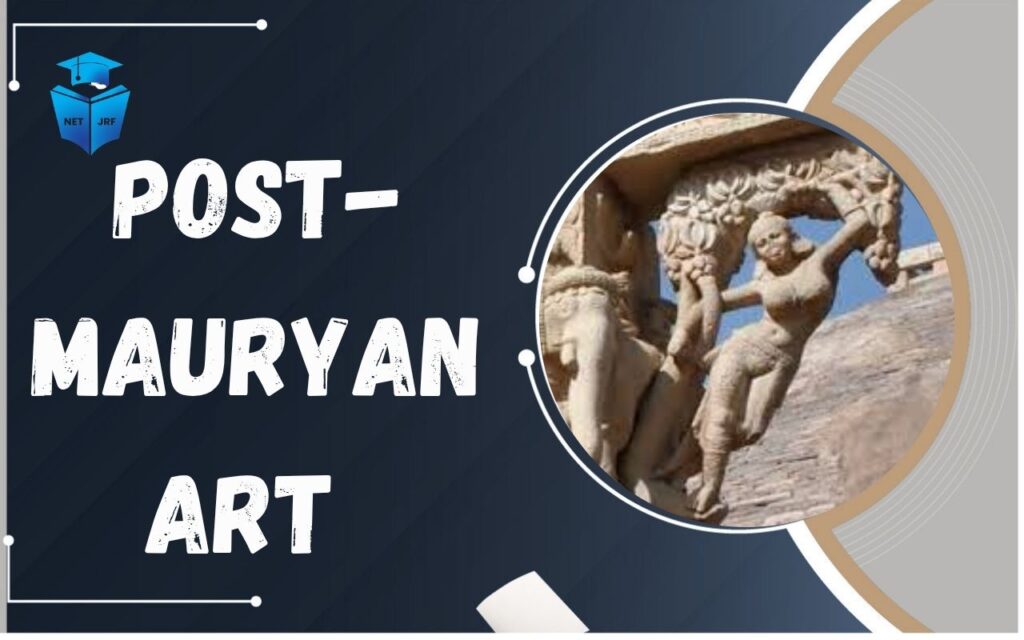
Post Mauryan Art Architecture Gandhara Mathura and Amaravati Schools

Post Mauryan Art in this topic you learn how Gandhara Mathura and Amaravati schools shaped Indian art through architecture sculpture religious themes cultural fusion materials icon worship and their long term impact on Indian art history.

vishal

Post-Mauryan Art

Table of Contents

The time between the 2nd century BCE and the 3rd century CE saw major changes in Indian art. This was after the fall of the Mauryan Empire, and new styles developed under the influence of different rulers and cultures. 

Study Planner

  • Gandhara School
  • Mathura School
  • Amaravati School

Enroll UGC NET Online Coaching

Post-Mauryan Art Gandhara School of Art UGC NET 

Gandhara art developed in the north-western part of India mainly in areas that are now in Pakistan and Afghanistan, such as Taxila and Peshawar.

Main Influences: It was deeply influenced by Greek and Roman art styles because this region had been ruled by Indo-Greek kings.
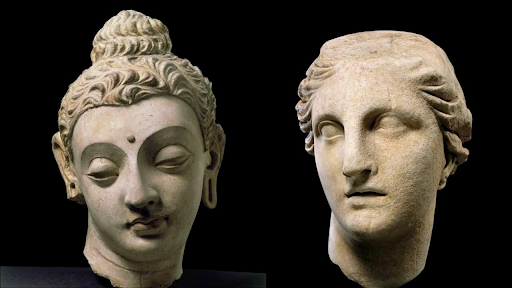
Post-Mauryan Art Gandhara School of Art

Easy-to-Understand Features:

  • Material Used: Mostly grey stone, which allowed detailed carvings.
  • Style: Figures looked very real, with features like wavy hair, sharp noses, and robes like Roman clothes.
  • Themes: Stories from Buddha’s life, such as his birth or enlightenment.
  • Special Elements: Buddha statues with western features—curly hair, serious face, and long robes.
  • Imagine a statue where Buddha looks more like a Roman philosopher than an Indian sage this shows the cultural blend in Gandhara art
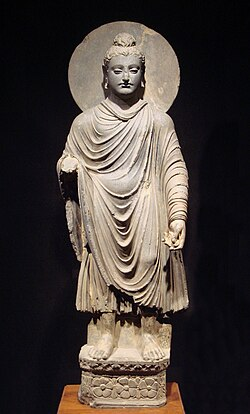
Gandhara art

Post-Mauryan Art Mathura School of Art UGC NET 

Mathura, in today’s Uttar Pradesh, became a major art center during the rule of the Kushana kings.
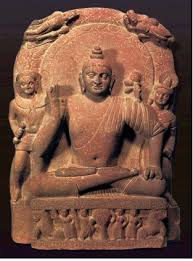
Post-Mauryan Art Mathura School

Main Influences: It followed Indian traditions but was encouraged by foreign rulers like the Kushanas.

Key Features:

  • Material Used: Bright red sandstone.
  • Style: Less focus on realism, more on Indian style—round faces, calm smiles, and simple clothes.
  • Themes: Both Hindu and Buddhist figures were created here.
  • New Touch: First proper statues of gods like Vishnu and Buddha were made here.

A smiling statue of a goddess with local Indian jewelry, standing calmly with a gentle expression.
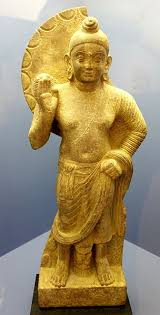
Both Hindu and Buddhist figures

Enroll UGC NET Online Test Series

Post-Mauryan Amaravati School of Art UGC NET 

Where It Developed: In Andhra Pradesh, especially around Amaravati and Nagarjunakonda, under the Satavahana rulers.

Unique Characteristics:

  • Material Used: Soft white marble.
  • Style: Beautiful and decorative carvings with lots of movement.
  • Themes: Mostly Buddhist stories of Buddha and scenes from daily life.
  • Artistic Quality: Carvings were like comic strips, telling full stories in a single panel.
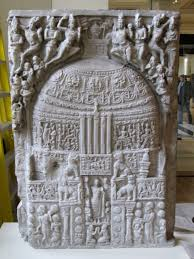
Post-Mauryan Amaravati School

Three Art Schools UGC NET 

Feature Gandhara School Mathura School Amaravati School
Region Northwest India (Taxila, Peshawar) Central India (Mathura) South India (Amaravati, Nagarjunakonda)
Material Used Grey schist stone Red sandstone White marble
Style Realistic, Roman-Greek features Indian features, simple drapery Decorative, story-based carvings
Themes Buddhist (Buddha’s life) Hindu and Buddhist deities Buddhist stories and daily life
Cultural Influence Greek and Roman Indigenous Indian Maritime trade-linked regions
Popular Examples Seated Buddha with robe Yaksha/Yakshini, standing Buddha Story panels from Amaravati Stupa

App JRF Adda

Post-Mauryan Art Cultural Synthesis UGC NET

These three art styles didn’t just make pretty sculptures, they reflected real social, religious, and cultural changes in ancient India.

  • Blending of Cultures: Gandhara showed the influence of Greeks. Mathura kept the Indian spirit alive. Amaravati mixed trade and storytelling.
  • Religious Growth: All three styles helped Buddhism spread far and wide by telling stories in visual form.
  • Start of Icon Worship: Especially in Mathura, people began worshipping gods and saints in human form, not just symbols.

Post-Mauryan Art in Later Periods UGC NET 

The artistic ideas and skills developed in these schools became the foundation for the great art of the Gupta period that followed. From the Gandhara curls to Mathura’s smiling gods and Amaravati’s carved stories, we see their impact in temples and sculptures even today.

Why This Topic is Vital for UGC NET?

Post-Mauryan art shows how India blended its traditions with foreign influences and created something unique. It connects history, culture, and art into one powerful theme.

  • Gandhara shows external influence and realism.
  • Mathura represents Indian identity and religious change.
  • Amaravati reflects storytelling and trade connections.

Top UGC NET Offline Classes in Jaipur

Post-Mauryan Characteristics and Contributions to Indian Art History UGC NET 

The time after the Mauryan Empire, from the 2nd century BCE to the 3rd century CE, brought big changes to Indian art and architecture. This period is known as the Post-Mauryan era,During this time, three major art schools developed in different regions:

  • Gandhara School in the northwest
  • Mathura School in northern India
  • Amaravati School in southern India

These schools were known for mixing local Indian styles with outside influences like Greek, Roman, and Persian cultures..

Post-Mauryan Art Characteristics UGC NET 

One of the special things about this period was storytelling through art. Artists used sculpture to tell religious stories, especially about Buddha.

  • Scenes from Buddha’s previous lives (called Jataka tales) were carved into stone.
  • These stories were shown on relief panels a type of sculpture that sticks out from the wall.
  • Famous places like the Bharhut and Sanchi stupas had these story carvings.

Mixing of Different Styles: Cultural Fusion in Art

This period saw a blend of Indian and foreign artistic styles.

  • Gandhara art looked realistic, with Greek-style robes and curly hair.
  • Mathura art kept the Indian look—round faces, peaceful expressions, and local clothing.
  • Amaravati art focused on detailed carvings and lifelike movement in the figures.

This fusion happened because of rulers like the Indo-Greeks and Kushanas, who brought their cultures with them.

Use of Different Materials in Each School

Each school of art used different types of stone based on what was available in the region.

School Material Used Style Focus
Gandhara Grey schist stone Fine detailing, realistic
Mathura Red sandstone Bold and expressive figures
Amaravati White marble Elegant and decorative

Religious Themes in Post-Mauryan Art

Religious ideas were a major part of the art from this time.

  • Buddhism was the most common theme, with sculptures of Buddha, Bodhisattvas, and scenes from Buddhist life.
  • Hindu gods like Vishnu, Shiva, and Krishna started appearing more, especially in Mathura.
  • Jain symbols and figures were also seen in some places.
    In Mathura, a sculpture might show a four-armed Vishnu holding a conch, showing the rise of Hindu worship.

Architectural Developments

Post-Mauryan art was not only about sculptures, it also included buildings and monuments.

  • Stupas were built and decorated, such as the ones at Amaravati and Sanchi.
  • Rock-cut caves like Ajanta and Ellora were started during this period and had walls filled with carvings.
  • Sculptures were made a part of the architecture pillars, doorways, and railings had artistic carvings.

Post-Mauryan  Big Contributions to Indian Art UGC NET 

After the decline of the Mauryan Empire, a new phase of artistic growth began that greatly enriched Indian art and architecture.

Rise of Regional Art Styles

Each region had its own art style:

  • Gandhara brought realism and foreign influence to Indian art.
  • Mathura introduced proper human forms of gods, like a standing Buddha or a smiling Shiva.
  • Amaravati became famous for storytelling through sculpture, showing daily life and religious tales.

Helping Spread Religion Across Asia

  • Gandhara and Amaravati helped spread Buddhism to other countries like China, Sri Lanka, and Indonesia.
  • Art was used to teach religious stories to people, even if they couldn’t read.
  • Mathura also helped Hinduism grow, and its style influenced temple art later on.

Mixing of Cultures: A Unique Indian Identity

Post-Mauryan art shows how India blended local and foreign elements:

  • Gandhara showed Greek influence through realistic human figures.
  • Amaravati connected with Southeast Asia through sea trade, and their styles were copied abroad.

New Ways to Show Gods: Iconographic Innovations

Before this period, Buddha was shown using symbols like footprints or a tree. But now, human images of Buddha and Hindu gods became common.

  • Buddha was shown sitting with calm expressions, wearing simple robes.
  • Hindu gods like Krishna were shown as children or warriors in lively poses.

Long-Lasting Influence on Indian Art

Post-Mauryan art laid the base for the Gupta period, often called the golden age of Indian art.

  • Techniques developed here were improved later.
  • Icon styles and temple architecture from this period became standard for centuries.

Best UGC NET Coaching in Jaipur

Conclusion

The Post-Mauryan period was a golden phase in the evolution of Indian art. It brought new forms, ideas, and cultural exchanges that shaped the future of religious art in India. The unique styles of Gandhara, Mathura, and Amaravati schools tell us how different regions blended local and foreign elements to create a rich artistic legacy. For UGC NET aspirants, understanding these contributions is key to mastering topics in Indian Art and Culture.

JRF Adda Book

Read UGC NET Notes
1 Archaeological Sources for UGC NET Epigraphy – Study of Inscriptions Meaning of Historical Sources Archaeological
2 Meaning of Historical Sources Archaeological Sources for UGC NET Literary Sources in History Archaeological
3 Exploration in Archaeology Excavation Techniques in Archaeology Dating of Archaeological Sites Archaeological
4 Excavation Techniques in Archaeology Exploration in Archaeology Dating of Archaeological Sites Archaeological
5 Epigraphy – Study of Inscriptions Inscriptions in Reconstructing History Numismatics in History Archaeological
6 Inscriptions in Reconstructing History Epigraphy – Study of Inscriptions Archaeological Sources for UGC NET Archaeological
7 Numismatics in History Importance of Coins in History Epigraphy – Study of Inscriptions Archaeological
8 Importance of Coins in History Numismatics in History Archaeological Sources for UGC NET Archaeological
9 Dating of Archaeological Sites Excavation Techniques in Archaeology Dating Ancient Literary Sources Archaeological
10 Indigenous Literature Literary Sources in History Secular Literature as Historical Source Literary
11 Dating Ancient Literary Sources Literary Sources in History Dating of Archaeological Sites Literary
12 Literary Sources in History Indigenous Literature Foreign Accounts of India Literary
13 Foreign Accounts of India Greek Accounts on Ancient India Chinese Accounts on India Literary
14 Greek Accounts on Ancient India Foreign Accounts of India Chinese Accounts on India Literary
15 Secular Literature as Historical Source Literary Sources in History Indigenous Literature Literary
16 Role of Myths and Legends in Historical Reconstruction Literary Sources in History Secular Literature as Historical Source Literary
17 Chinese Accounts on India Foreign Accounts of India Greek Accounts on Ancient India Literary
18 Arabic Accounts on India Foreign Accounts of India Chinese Accounts on India Literary
19 Neolithic and Chalcolithic Phases Neolithic Revolution in India Chalcolithic Culture in India Neolithic
20 Hunting, Gathering & Food Production Neolithic Revolution in India Neolithic Settlements in India Neolithic
21 Neolithic Revolution in India Neolithic Settlements in India Tools and Technology in Neolithic Period Neolithic
22 Neolithic Settlements in India Distribution of Neolithic Cultures in India Neolithic Revolution in India Neolithic
23 Distribution of Neolithic Cultures in India Neolithic Settlements in India Tools and Technology in Neolithic Period Neolithic
24 Tools and Technology in Neolithic Period Neolithic Revolution in India Chalcolithic Culture in India Neolithic
25 Chalcolithic Culture in India Settlement Pattern & Economy in Chalcolithic Phase Trade & Exchange Networks in Chalcolithic Societies Neolithic
26 Settlement Pattern & Economy – Chalcolithic Phase Chalcolithic Culture in India Trade & Exchange Networks in Chalcolithic Societies Neolithic
27 Trade & Exchange Networks – Chalcolithic Societies Chalcolithic Culture in India IVC Internal & External Trade Neolithic
28 Indus Valley Civilization – UGC NET Major Sites of Indus Civilization Urban Planning in Harappan Civilization IVC
29 IVC Internal & External Trade Internal Trade – Harappan Civilization Craft Specialization in Harappan Civilization IVC
30 Political Organization – Harappan Civilization Social Structure – Indus Civilization Urban Planning in Harappan Civilization IVC
31 Major Sites of Indus Civilization Indus Valley Civilization – UGC NET Urban Planning in Harappan Civilization IVC
32 Urban Planning & Settlement – Harappan Civilization Architecture & Town Planning – Harappan Cities IVC as First Urbanization in India IVC
33 Architecture & Town Planning – Harappan Cities Urban Planning in Harappan Civilization Major Sites of Indus Civilization IVC
34 Craft Specialization & Industrial Activities – Harappan Agriculture & Food Economy – Harappans IVC Internal & External Trade IVC
35 Agriculture & Food Economy – Harappans Craft Specialization in Harappan Civilization Internal Trade – Harappan Civilization IVC
36 Internal Trade – Harappan Civilization IVC Internal & External Trade Craft Specialization in Harappan Civilization IVC
37 Religion & Beliefs – Indus Civilization Social Structure – Indus Civilization Indus Valley Civilization – UGC NET IVC
38 Social Structure – Indus Civilization Political Organization – Harappan Civilization Religion & Beliefs – Indus Civilization IVC
39 Decline of Indus Civilization Indus Valley Civilization – UGC NET IVC as First Urbanization in India IVC
40 IVC as First Urbanization in India Urban Planning in Harappan Civilization Second Urbanization in India IVC
41 Vedic & Later Vedic Periods – Aryan Varna System Early Vedic Society and Economy Later Vedic Society and Economy Vedic
42 Origin of Vedic Civilization Aryan Debate – Migration, Invasion & Indigenous Theories Early Vedic Society and Economy Vedic
43 Aryan Debate – Migration, Invasion & Indigenous Theories Origin of Vedic Civilization Early Vedic Society and Economy Vedic
44 Early Vedic Society and Economy Political Institutions – Early Vedic Period Social Structure – Early Vedic Period Vedic
45 Political Institutions – Early Vedic Period Early Vedic Society and Economy Monarchical States in Ancient India Vedic
46 Social Structure – Early Vedic Period Emergence of Varnas & Social Stratification Early Vedic Society and Economy Vedic
47 Later Vedic Society and Economy Emergence of Varnas & Social Stratification Impact of Iron Technology in India Vedic
48 Emergence of Varnas & Social Stratification Social Structure – Early Vedic Period Later Vedic Society and Economy Vedic
49 Emergence of Heterodox Sects in India Jainism, Buddhism & Ajivikas – Origins & Teachings Later Vedic Society and Economy Vedic
50 Impact of Iron Technology in India Later Vedic Society and Economy Agricultural Expansion & Economic Changes – Ancient India Vedic
51 Religious & Philosophical Vedic Ideas Emergence of Varnas & Social Stratification Emergence of Heterodox Sects in India Vedic
52 Megalithic Culture of South India Neolithic and Chalcolithic Phases Agricultural Expansion & Economic Changes General
53 State System in Ancient India Rise of Mahajanapadas Transition: Tribal Polities to Territorial States General
54 Transition: Tribal Polities to Territorial States Rise of Mahajanapadas Later Vedic Society and Economy General
55 Rise of Mahajanapadas Monarchical States in Ancient India Republican States (Gana-Sanghas) – Ancient India Magadha
56 Monarchical States in Ancient India Rise of Mahajanapadas Emergence of Magadha Magadha
57 Republican States (Gana-Sanghas) – Ancient India Rise of Mahajanapadas Monarchical States in Ancient India Magadha
58 Agricultural Expansion & Economic Changes – Ancient India Second Urbanization in India Impact of Iron Technology in India General
59 Second Urbanization in India IVC as First Urbanization in India Rise of Mahajanapadas General
60 Jainism, Buddhism & Ajivikas – Origins & Teachings Emergence of Heterodox Sects in India Ashoka’s Policy of Dhamma General
61 Emergence of Magadha Geographical Advantages of Magadha Early Rulers of Magadha Magadha
62 Geographical Advantages of Magadha Natural Resources & Economic Strength of Magadha Reasons for Success of Magadha Magadha
63 Natural Resources & Economic Strength of Magadha Geographical Advantages of Magadha Economic Policies of the Nandas Magadha
64 Early Rulers of Magadha Haryanka Dynasty – Rise of Magadha Emergence of Magadha Magadha
65 Haryanka Dynasty – Rise of Magadha Expansion Policy of Bimbisara Early Rulers of Magadha Magadha
66 Expansion Policy of Bimbisara Ajatashatru – Military Reforms Haryanka Dynasty – Rise of Magadha Magadha
67 Ajatashatru – Military Reforms Wars of Ajatashatru Expansion Policy of Bimbisara Magadha
68 Wars of Ajatashatru Ajatashatru – Military Reforms Udayin & Establishment of Pataliputra Magadha
69 Udayin & Establishment of Pataliputra Wars of Ajatashatru Shishunaga Dynasty Magadha
70 Shishunaga Dynasty Administrative Structure of the Shishunagas Nanda Dynasty Magadha
71 Administrative Structure of the Shishunagas Shishunaga Dynasty Central Administration Under Mauryas Magadha
72 Nanda Dynasty Mahapadma Nanda – Imperial Expansion Shishunaga Dynasty Magadha
73 Mahapadma Nanda – Imperial Expansion Military Strength of the Nandas Nanda Dynasty Magadha
74 Economic Policies of the Nandas Nanda Dynasty Taxation System – Mauryan State Magadha
75 Military Strength of the Nandas Mahapadma Nanda – Imperial Expansion Defeat of Nandas & Rise of Mauryan Empire Magadha
76 Reasons for Success of Magadha Geographical Advantages of Magadha Natural Resources & Economic Strength of Magadha Magadha
77 Mahajanapadas to Empire – Evolution & Rise of Magadha Rise of Mahajanapadas Emergence of Magadha Magadha
78 Mauryan Empire – Expansion Rise of Chandragupta Maurya Expansion of Mauryan Empire Maurya
79 Rise of Chandragupta Maurya Role of Chanakya in Rise of Mauryan Empire Defeat of Nandas & Rise of Mauryan Empire Maurya
80 Role of Chanakya in Rise of Mauryan Empire Rise of Chandragupta Maurya Defeat of Nandas & Rise of Mauryan Empire Maurya
81 Defeat of Nandas & Rise of Mauryan Empire Military Strength of the Nandas Rise of Chandragupta Maurya Maurya
82 Chandragupta Maurya – Seleucus Treaty & Diplomacy Expansion of Mauryan Empire Greek Accounts on Ancient India Maurya
83 Expansion of Mauryan Empire Chandragupta Maurya – Seleucus Treaty & Diplomacy Kalinga War Maurya
84 Administration of Chandragupta Maurya Central Administration Under Mauryas Mauryan Bureaucracy Maurya
85 Sources for Mauryan History Archaeological Sources for UGC NET Greek Accounts on Ancient India Maurya
86 Central Administration Under Mauryas Provincial Administration – Mauryan Empire Mauryan Bureaucracy Maurya
87 Provincial Administration – Mauryan Empire Local Administration – Mauryan Empire Central Administration Under Mauryas Maurya
88 Local Administration – Mauryan Empire Provincial Administration – Mauryan Empire Mauryan Bureaucracy Maurya
89 Mauryan Bureaucracy Central Administration Under Mauryas Espionage System – Mauryan Empire Maurya
90 Espionage System – Mauryan Empire Mauryan Bureaucracy Central Administration Under Mauryas Maurya
91 Ancient India – Trade and Commerce Trade and Commerce Under Mauryas Agrarian Economy – Mauryan Period Maurya
92 Agrarian Economy – Mauryan Period Taxation System – Mauryan State Trade and Commerce Under Mauryas Maurya
93 Trade and Commerce Under Mauryas Ancient India – Trade and Commerce Agrarian Economy – Mauryan Period Maurya
94 Taxation System – Mauryan State Agrarian Economy – Mauryan Period Economic Policies of the Nandas Maurya
95 Kalinga War Ashoka’s Policy of Dhamma Expansion of Mauryan Empire Maurya
96 Ashoka’s Policy of Dhamma Nature & Philosophy of Dhamma Kalinga War Maurya
97 Nature & Philosophy of Dhamma Ashoka’s Policy of Dhamma Jainism, Buddhism & Ajivikas Maurya

Post-Mauryan Art UGC NET FAQs

Loader image

Gandhara art shows Greek influence and realism, while Mathura art follows Indian traditions with bold and spiritual expressions.

Grey schist in Gandhara, red sandstone in Mathura, and white marble in Amaravati.

Buddhism dominates, but Hindu and Jain elements also appear, especially in Mathura art.

Leave a Reply

Recent Posts
Aditi

Aditi Sharma, founder of JRFAdda, is a Computer Science educator with an MCA degree and JRF qualification (99.91 percentile, Dec 2019). Her experience includes roles as an SBI SO (DBA), work at Cognizant, and over 5 years of teaching online and offline. She has also served as a Government Computer Teacher in Rajasthan.

Check Our Recommended Course