

Literary sources form a vital pillar of historical reconstruction, especially for understanding ancient and early medieval societies where material evidence alone cannot provide a complete picture. These sources include indigenous texts, religious writings, and secular literature that preserve ideas, beliefs, social norms, political events, and intellectual traditions of different periods. Unlike archaeological remains, literary works offer detailed narratives, philosophical discussions, and cultural insights that help historians interpret the mindset and values of past civilizations.

What are Literary Sources?
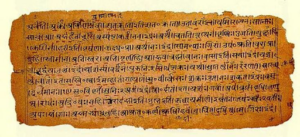
Literary Sources are written records from the past that provide information about historical events, societies, cultures, beliefs, and ideas. They are created by people of a particular time and preserved in the form of manuscripts, books, chronicles, inscriptions, religious texts, biographies, legal documents, and scholarly works. Historians study these writings to understand how people lived, governed, worshipped, traded, and thought in different historical periods.
Definition
Literary sources are historical materials in written form that help reconstruct the past.
Key Features
- They provide detailed narratives and explanations.
- They reflect the language, culture, and ideology of their time.
- They may contain bias or exaggeration, so they must be critically analyzed.
- They complement archaeological sources by adding context and interpretation.
Types of Literary Sources
| Type of Literary Source | Examples | What They Reveal |
| Religious Texts | Scriptures, hymns, philosophical works | Beliefs, rituals, moral values, religious practices |
| Secular Texts | Chronicles, biographies, political treatises | Political events, rulers, administration, social life |
| Indigenous Literature | Local traditions, regional writings | Native perspectives, cultural traditions, social norms |
| Foreign Accounts | Travel records by outsiders | External observations about society, trade, culture, and governance |
Indigenous Literature Sources
For UGC NET preparation, indigenous literature is crucial because it presents original viewpoints that help historians reconstruct history without foreign interpretation.
Primary Sources
Primary sources are original materials created by individuals who were part of the culture or events being studied. In Indigenous literature, these sources provide firsthand information and are invaluable for understanding their traditions and stories. Here are some key examples:
| Type | What It Includes | Example |
| Oral Traditions | Stories, songs, and legends passed down over generations. | Creation myths shared during community gatherings. |
| Personal Accounts | Diaries or journals describing daily life and experiences. | A journal by a tribal leader documenting seasonal events. |
| Historical Letters | Correspondence written by or to Indigenous individuals. | A letter discussing land negotiations with colonialists. |
| Old News Articles | Articles written by Indigenous writers or about their issues. | Reports on community festivals in local newspapers. |
These primary sources are windows into Indigenous life, offering authentic insights into their culture and practices.
Best UGC NET Coaching in Jaipur
Secondary Sources
Secondary sources are created by scholars or researchers who study and analyze primary sources. They help us better understand Indigenous literature by providing explanations, context, and critiques. Let’s look at some examples:
| Type | What It Includes | Example |
| Research Articles | Scholarly papers analyzing themes or impacts of stories. | A study on how Indigenous songs preserve history. |
| Books | Publications interpreting cultural stories or traditions. | A book exploring folktales from specific tribes. |
| Documentaries | Films that provide insights into Indigenous lifestyles. | A documentary on traditional farming practices. |
Secondary sources enrich our understanding by connecting cultural practices to historical and social contexts.
Dating Issues in Indigenous Texts: Challenges Literary Sources for UGC NET
Dating Indigenous texts can be tricky because many of these traditions were originally oral and only later written down. Several factors make this process challenging:
Oral Traditions vs. Written Records
- Indigenous communities have relied heavily on oral storytelling, passing down knowledge through generations.
- When these stories were finally written down, it became hard to determine when they first originated.
- For example, a story about a legendary ancestor might be hundreds of years old but only documented in writing during the 20th century.
Colonial Influence on Indigenous Texts
- Colonization introduced new ways of recording Indigenous narratives, often altering or misrepresenting their original meanings.
- For instance, colonial authors may have added their own interpretations or left out important cultural elements when documenting Indigenous stories.
- This complicates efforts to establish the original dates and authenticity of these texts.
Best UGC NET Offline Coaching in Jaipur
Cultural Variations Across Communities
- Indigenous communities have diverse storytelling traditions, each with unique ways of preserving and sharing knowledge.
- For example, one community might use seasonal events to date their stories, while another might rely on family lineages.
- Without understanding these cultural contexts, it’s difficult to assign accurate dates to their texts.

Why Literary Sources Matter for UGC NET
Literary sources, especially indigenous writings along with primary and secondary texts, are crucial for UGC NET preparation because they provide detailed narratives, ideas, and interpretations that help historians understand past societies beyond physical evidence. These sources preserve traditions, beliefs, political thought, and intellectual developments, allowing students to analyze history from cultural and philosophical perspectives. Studying them also develops critical thinking, since many literary texts require careful interpretation, comparison, and evaluation of bias or context.
Key Reasons Literary Sources
- Detailed Narratives: They offer descriptive accounts of events, rulers, customs, and social life.
- Cultural Insight: They preserve language, philosophy, religion, and traditions.
- Interpretative Skills: They train aspirants to analyze texts critically—an important exam skill.
- Complementary Evidence: They fill gaps where archaeological sources remain silent.
- Exam Relevance: UGC NET frequently asks questions on classification, authorship, chronology, and historical value of texts.
Literary Sources: Religious and Secular Literature
Religious and secular literature is essential for analyzing the cultural, social, and historical aspects of any civilization. These literary sources give us a glimpse into the beliefs, practices, and everyday lives of the people who created them. However, analyzing and dating these texts comes with its own set of challenges. Let’s explore this in simple language.
Religious and Secular Literature: What They Are and How to Analyze Them
Literature can be broadly divided into religious and secular categories, each with unique themes and methods of analysis.
Enroll UGC NET Foundation Course
Religious Literature
Religious texts are foundational works for various religions. They focus on spiritual teachings, moral lessons, and the human connection with the divine. Here are some examples and their significance:
| Religious Text | What It Teaches | Example |
| The Guru Granth Sahib | Spiritual guidance and Sikh values
|
Explains equality and devotion to God. |
| The Ramayana | Stories and lessons on virtue and duty
|
Shows the importance of loyalty and family. |
| The Torah | Religious laws and Jewish traditions
|
Lays the foundation for Jewish beliefs. |
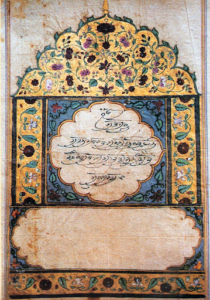
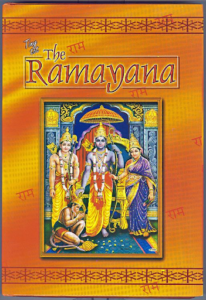
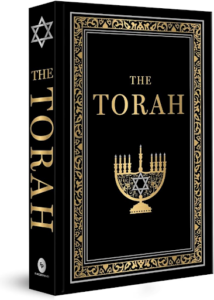
Analyzing religious literature often involves exploring themes like faith, morality, and humanity’s relationship with higher powers.
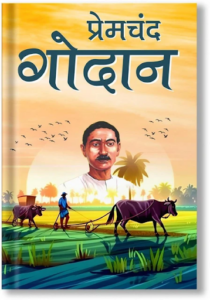
Secular Literature
Secular texts focus on human experiences without a religious perspective. They delve into social issues, emotions, and daily life. Here are some examples of secular literature:
| Secular Text | What It Focuses On | Example |
| Munshi Premchand’s “Godaan”
|
Struggles of Indian farmers | Highlights poverty and social inequality. |
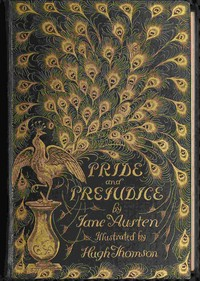
| Jane Austen’s “Pride and Prejudice”
|
Love, marriage, and social norms | Explores gender roles and relationships. |
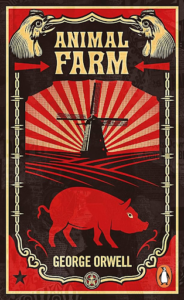
| George Orwell’s “Animal Farm”
|
Political corruption and revolution | Symbolizes the flaws in governance. |
Challenges in Dating Religious and Secular Texts
Dating religious and secular texts is not always straightforward. Many factors make it difficult to determine when these texts were written or compiled.
Challenges in Dating Religious Texts
| Challenge | Explanation | Example |
| Multiple Authors | Many religious texts were written by different authors over time. | The Bible has contributions spanning centuries. |
| Oral Traditions | Stories were passed down orally before being written. | The Vedas existed orally long before documentation. |
| Translation Issues | Translations can change meanings and timelines. | Different versions of the Quran have subtle differences. |
| Historical Context | Historical events influence the writing of religious texts. | Wars shaped interpretations of the Mahabharata. |
Challenges in Dating Secular Texts
| Challenge | Explanation | Example |
| Lack of Records | Some works don’t include clear historical references. | Kalidasa’s exact timeline for “Shakuntala” is unknown. |
| Censorship | Political pressures delayed publication or altered content. | Many works during colonial India faced censorship. |
| Literary Movements | Texts influenced by movements may share traits with other periods. | Romanticism influenced poetry in the late 18th century. |
| Disputed Authorship | Questions about the true author can delay proper dating. | Shakespeare’s authorship has been debated. |
Historical Significance for UGC NET: Myths and Legends
Myths and legends are crucial parts of both religious and secular literature. While they may not always be historically accurate, they reflect the values, beliefs, and concerns of the societies that created them.
| Aspect of Myths and Legends | What It Shows | Example |
| Cultural Identity | Strengthens the identity and worldview of communities. | The legend of Shivaji inspires pride in Maharashtra. |
| Moral Teachings | Provides lessons about good behavior and ethics. | Panchatantra tales teach life lessons through animals. |
| Historical Reflections | Reflects societal concerns of the time, even if fictional. | Greek myths reveal fears about war and the gods. |
Why Literary Sources Matter for UGC NET
Religious as well as secular literary texts are vital for historical study because they reveal ideas, beliefs, institutions, and everyday experiences that shaped past societies. These works allow historians to interpret political thought, social organization, ethical values, and cultural traditions that archaeological evidence alone cannot fully explain. At the same time, analyzing such texts requires caution, since factors like multiple authorship, oral transmission, interpolations, and later revisions often create challenges in dating and interpretation.
Enroll UGC NET Foundation Batch Online
Key Points to Remember
- Historical Detail: Literary texts provide descriptive narratives unavailable in material remains.
- Cultural Understanding: They preserve languages, philosophies, customs, and moral systems.
- Analytical Skill Development: Interpretation of texts strengthens critical thinking for exam answers.
- Source Evaluation: Students learn to identify bias, exaggeration, symbolism, and context.
- Chronological Awareness: Studying textual layers improves understanding of historical timelines.
- Interdisciplinary Value: Literary sources connect history with literature, religion, and philosophy.

Conclusion
Religious, secular, and Indigenous literary sources are essential for UGC NET aspirants. These texts reveal the cultural and historical richness of human civilizations. By analyzing their themes, challenges, and significance, you gain a deeper appreciation of humanity’s diverse narratives and prepare thoroughly for exam topics.
Literary Sources for UGC NET FAQs

Why is dating religious texts challenging?
Dating religious texts is complex due to oral traditions, multiple authors, translation issues, and changing historical contexts.
What is the difference between religious and secular literature?
Religious literature focuses on spirituality and divine connection, while secular literature explores human experiences without a religious framework.
How do myths and legends reflect cultural identity?
Myths and legends embody the values, beliefs, and history of societies, strengthening their cultural identity and worldview.
Why is Indigenous literature important for UGC NET?
Indigenous literature provides insights into the history, culture, and traditions of native communities, making it an essential topic for UGC NET preparation.