
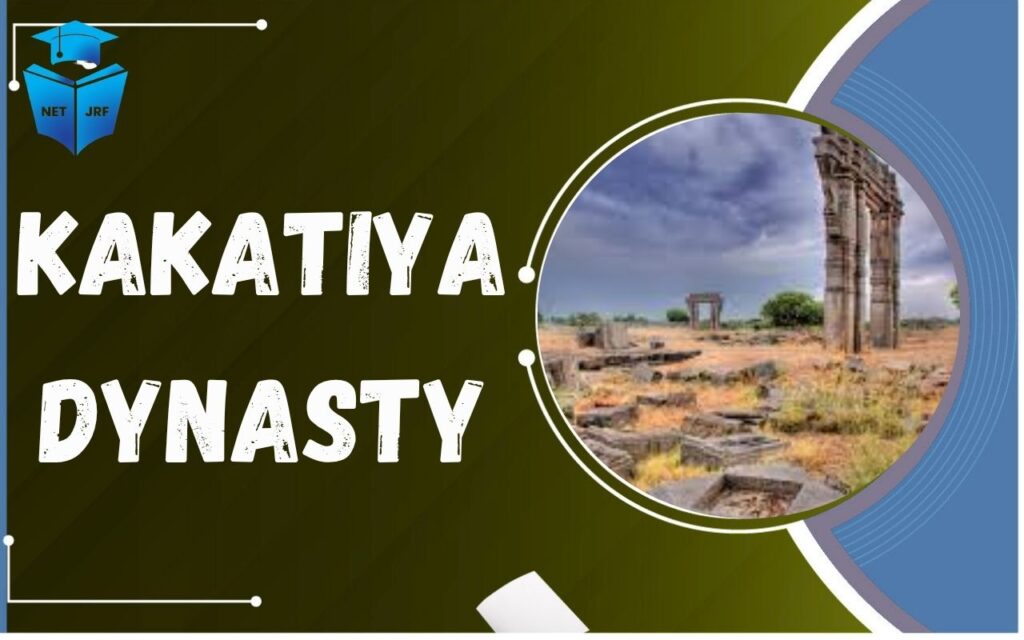
Kakatiya Dynasty: Origin, Territorial Expansion and Deccan Power

Kakatiya Dynasty In this topic you learn how the Kakatiyas rose from local chiefs to a powerful Deccan kingdom through territorial expansion, military strength, administration, irrigation systems, cultural growth, and political influence.

vishal

Kakatiya Dynasty

Table of Contents

The Kakatiya dynasty was one of the most important regional powers in South India, especially in the Deccan region. It played a major role in shaping the political and cultural history of present-day Telangana and Andhra Pradesh.

Join UGC NET Online Course

The story of the Kakatiya dynasty is about steady growth from small beginnings to a powerful kingdom. Their rise and territorial expansion show how local chiefs turned into strong rulers through smart planning, military strength, and good administration.

Study Planner

Introduction Kakatiya dynasty

The Kakatiya dynasty ruled between the 12th and 14th centuries. Their capital was Warangal, which became a major political and cultural center during their rule.

They were initially feudatories under larger empires like the Chalukyas. But over time, they gained independence and built their own kingdom.

Key Features

  • Strong regional power in Deccan
  • Efficient administrative system
  • Focus on irrigation and agriculture
  • Military expansion

Kakatiya Dynasty Origin 

The Kakatiya dynasty has its roots in local chiefs who initially served under the Western Chalukyas. Over time, they transformed from minor feudatories into a powerful regional kingdom.

Early Background:

  • The Kakatiyas started as feudatories, controlling small territories and serving larger powers.
  • Their rise is linked to warrior clans who gained influence through military service.
  • Gradually, these chiefs accumulated power, wealth, and followers, setting the stage for an independent dynasty.

Early Rulers and Foundation:

  • Beta I, Prola I, and Prola II were crucial in consolidating local control.
  • They strengthened their position by supporting overlords while expanding influence over nearby territories.
  • The turning point came under Prola II, who stopped paying tribute to the Western Chalukyas, asserting independence and laying the foundation for a sovereign state.

Rise to Power:

  • Under Rudradeva, the Kakatiyas emerged as a strong regional power.
    • He declared independence formally.
    • Expanded territory through military campaigns.
    • Established a strong administrative system.
  • This marked the transformation of the Kakatiya dynasty from local chiefs to a significant regional kingdom.

Territorial Expansion Kakatiya Dynasty

The Kakatiyas expanded their domain through strategic military campaigns, alliances, and control of trade routes, gradually becoming a dominant power in the Deccan.

Expansion Strategies:

  • Military conquests to subdue neighboring territories.
  • Control over trade routes, ensuring economic strength.
  • Forming alliances with local chiefs, stabilizing the empire.

Regions Covered:

  • Telangana (core region).
  • Parts of Andhra Pradesh.
  • Some influence extended into Karnataka.

Top UGC NET Online Coaching

Kakatiya Dynasty Important Rulers 

Several rulers played a pivotal role in shaping the Kakatiya dynasty.

Rudradeva:

  • First ruler to assert full independence.
  • Expanded core territories of the kingdom.
  • Built strong administrative structures.

Ganapati Deva:

  • Considered one of the greatest Kakatiya rulers.
  • Achievements:
    • Expanded the empire widely.
    • Strengthened administration and governance.
    • Promoted trade, especially in Telangana and Andhra regions.

Rani Rudrama Devi:

  • One of the few female rulers in Indian history.
  • Maintained stability and continued the expansion of the dynasty.
  • Strengthened defenses and administration during her reign.

Prataparudra II:

  • The last major Kakatiya ruler.
  • Faced external invasions and internal challenges that eventually led to the dynasty’s decline.

Military System Kakatiyas Dynasty

The Kakatiya dynasty maintained a well-organized and disciplined military, which was crucial for both expansion and defense.

Features of the Military:

  • Well-organized army with structured divisions.
  • Use of cavalry, infantry, and elephant units in warfare.
  • Construction of fortifications, such as the Warangal Fort, to protect strategic territories.

Role in Expansion:

  • The army ensured the protection of the kingdom from external invasions.
  • Enabled successful territorial expansion, consolidating Kakatiya influence over the Deccan region.

Administrative Structure Kakatiya Dynasty

The Kakatiyas developed a practical and effective administrative system, balancing central authority with local governance.

Key Features:

  • The king served as the central authority, overseeing all governance, revenue, and military matters.
  • Provinces were divided into smaller units for better management.
  • Local governance ensured smooth administration in villages and towns.

Role of Nayakas:

  • Nayakas were local chiefs appointed by the king.
  • Responsibilities included:
    • Maintaining law and order.
    • Collecting taxes for the central treasury.
    • Supporting the king in military campaigns.
  • This system allowed the Kakatiyas to efficiently manage a large territory with a balance between central control and local authority. 

The Kakatiya dynasty was known for its strong and well-managed economic system, which became the backbone of its political power and territorial expansion.

Main Sources of Revenue:

  • Agriculture: Fertile lands of Telangana and Andhra Pradesh served as the primary source of income. Crops such as rice and millets formed the agricultural base.
  • Trade: Local and regional trade flourished under the Kakatiyas. Towns and marketplaces developed, linking their kingdom to other parts of the Deccan.
  • Taxes: Revenue was collected from land, trade, and markets, ensuring a stable flow of funds to support administration and military.

Irrigation System:

  • The Kakatiyas constructed tanks, canals, and reservoirs to store water and irrigate farmland.
  • These irrigation systems improved agricultural productivity, ensuring food security and surplus for trade.
  • The tanks also became community resources, used for domestic and religious purposes, demonstrating the dynasty’s planning and foresight.

Economic Impact:

  • The economic strength allowed the Kakatiyas to fund military campaigns, expand their territory, and build impressive public works.
  • A stable economy also supported urban growth, trade networks, and artisan communities, making the kingdom prosperous and resilient.

Join UGC NET Offline Coaching in Jaipur

Cultural Contributions Kakatiya Dynasty

The Kakatiya dynasty made significant contributions to architecture, literature, and religious life, leaving a lasting legacy in South India.

Architecture:

  • The Kakatiyas are known for monumental constructions, such as the Warangal Fort, which served as both a defensive structure and a symbol of power.
  • Famous temples were built across Telangana and Andhra Pradesh, often featuring intricate carvings, stone pillars, and ornate gateways (toranas).
  • Their architecture blended religious function with artistic expression, inspiring later dynasties in the Deccan.

Literature:

  • The Kakatiyas promoted the Telugu language and supported poets and scholars.
  • They encouraged literary works that reflected religion, culture, and royal achievements, contributing to the growth of Telugu as a prominent literary language.

Religion:

  • The dynasty predominantly followed Hindu traditions.
  • However, they practiced religious tolerance, supporting various communities including Jain and Buddhist groups.
  • Temple construction and donations strengthened the cultural and social life of the region, while promoting community cohesion.

Social and Cultural Impact:

  • By combining economic strength with cultural patronage, the Kakatiya dynasty created a stable and flourishing society.
  • Their contributions in architecture, irrigation, literature, and religion left a long-lasting imprint, shaping the identity of the Deccan region for generations.

App JRF Adda

Political Importance Kakatiya Dynasty

The Kakatiya dynasty was a key player in the politics of the Deccan region, influencing both regional stability and the balance of power.

Rise of Regional Powers:

  • The Kakatiyas emerged as a dominant regional kingdom after asserting independence from the Western Chalukyas.
  • Their military strength and strategic governance allowed them to compete with other powers, such as the Hoysalas and later the Delhi Sultanate.
  • By establishing a strong and autonomous state, they strengthened the political landscape of South India.

Control over Trade Routes:

  • The dynasty’s location in Telangana and Andhra Pradesh allowed control over key trade routes connecting the Deccan to coastal regions.
  • Control over trade not only enriched the kingdom but also enhanced their political influence among neighboring states.
  • The Kakatiyas ensured that trade routes remained secure, which helped in economic growth and regional dominance.

Stability in the Deccan:

  • Through strong administration, capable military, and local governance, the Kakatiyas provided a period of relative political stability in the Deccan.
  • Their policies reduced internal conflicts, managed rival chiefs, and created a balanced system of power, ensuring long-term prosperity for their subjects.

Social Structure Kakatiya Dynasty

Society during the Kakatiya period was organized yet flexible, reflecting a balance between traditional structures and local community influence.

Varna System:

  • The varna system existed, with Brahmins, warriors, artisans, and farmers occupying distinct roles.
  • Brahmins often received land grants and supported temples, while warriors held positions in administration and the army.

Growth of Towns:

  • Urban centers expanded under the Kakatiyas due to trade, crafts, and administrative activities.
  • Towns became hubs for economic and cultural activities, allowing artisans, traders, and scholars to flourish alongside agriculture.

Role of Local Communities:

  • Local communities and village assemblies played an active part in governance.
  • Nayakas (local chiefs) managed villages, collected taxes, and maintained law and order, bridging the gap between the king and common people.
  • Women in royal families and certain communities had influence in social and religious matters, reflecting some flexibility in societal roles.

Social Impact:

  • By combining traditional structures with local governance, the Kakatiyas created a harmonious and diverse society.
  • Their policies ensured social cohesion while promoting economic and cultural development across the kingdom.

Join UGC NET Coaching in Jaipur

Conclusion

The Kakatiya dynasty shows how a small group of local chiefs can rise to become a powerful regional empire. Their strong administration, military expansion, and economic policies helped them control large areas of the Deccan.

JRF Adda Book

Read UGC NET Notes
1 Archaeological Sources for UGC NET Epigraphy – Study of Inscriptions Meaning of Historical Sources Archaeological
2 Meaning of Historical Sources Archaeological Sources for UGC NET Literary Sources in History Archaeological
3 Exploration in Archaeology Excavation Techniques in Archaeology Dating of Archaeological Sites Archaeological
4 Excavation Techniques in Archaeology Exploration in Archaeology Dating of Archaeological Sites Archaeological
5 Epigraphy – Study of Inscriptions Inscriptions in Reconstructing History Numismatics in History Archaeological
6 Inscriptions in Reconstructing History Epigraphy – Study of Inscriptions Archaeological Sources for UGC NET Archaeological
7 Numismatics in History Importance of Coins in History Epigraphy – Study of Inscriptions Archaeological
8 Importance of Coins in History Numismatics in History Archaeological Sources for UGC NET Archaeological
9 Dating of Archaeological Sites Excavation Techniques in Archaeology Dating Ancient Literary Sources Archaeological
10 Indigenous Literature Literary Sources in History Secular Literature as Historical Source Literary
11 Dating Ancient Literary Sources Literary Sources in History Dating of Archaeological Sites Literary
12 Literary Sources in History Indigenous Literature Foreign Accounts of India Literary
13 Foreign Accounts of India Greek Accounts on Ancient India Chinese Accounts on India Literary
14 Greek Accounts on Ancient India Foreign Accounts of India Chinese Accounts on India Literary
15 Secular Literature as Historical Source Literary Sources in History Indigenous Literature Literary
16 Role of Myths and Legends in Historical Reconstruction Literary Sources in History Secular Literature as Historical Source Literary
17 Chinese Accounts on India Foreign Accounts of India Greek Accounts on Ancient India Literary
18 Arabic Accounts on India Foreign Accounts of India Chinese Accounts on India Literary
19 Neolithic and Chalcolithic Phases Neolithic Revolution in India Chalcolithic Culture in India Neolithic
20 Hunting, Gathering & Food Production Neolithic Revolution in India Neolithic Settlements in India Neolithic
21 Neolithic Revolution in India Neolithic Settlements in India Tools and Technology in Neolithic Period Neolithic
22 Neolithic Settlements in India Distribution of Neolithic Cultures in India Neolithic Revolution in India Neolithic
23 Distribution of Neolithic Cultures in India Neolithic Settlements in India Tools and Technology in Neolithic Period Neolithic
24 Tools and Technology in Neolithic Period Neolithic Revolution in India Chalcolithic Culture in India Neolithic
25 Chalcolithic Culture in India Settlement Pattern & Economy in Chalcolithic Phase Trade & Exchange Networks in Chalcolithic Societies Neolithic
26 Settlement Pattern & Economy – Chalcolithic Phase Chalcolithic Culture in India Trade & Exchange Networks in Chalcolithic Societies Neolithic
27 Trade & Exchange Networks – Chalcolithic Societies Chalcolithic Culture in India IVC Internal & External Trade Neolithic
28 Indus Valley Civilization – UGC NET Major Sites of Indus Civilization Urban Planning in Harappan Civilization IVC
29 IVC Internal & External Trade Internal Trade – Harappan Civilization Craft Specialization in Harappan Civilization IVC
30 Political Organization – Harappan Civilization Social Structure – Indus Civilization Urban Planning in Harappan Civilization IVC
31 Major Sites of Indus Civilization Indus Valley Civilization – UGC NET Urban Planning in Harappan Civilization IVC
32 Urban Planning & Settlement – Harappan Civilization Architecture & Town Planning – Harappan Cities IVC as First Urbanization in India IVC
33 Architecture & Town Planning – Harappan Cities Urban Planning in Harappan Civilization Major Sites of Indus Civilization IVC
34 Craft Specialization & Industrial Activities – Harappan Agriculture & Food Economy – Harappans IVC Internal & External Trade IVC
35 Agriculture & Food Economy – Harappans Craft Specialization in Harappan Civilization Internal Trade – Harappan Civilization IVC
36 Internal Trade – Harappan Civilization IVC Internal & External Trade Craft Specialization in Harappan Civilization IVC
37 Religion & Beliefs – Indus Civilization Social Structure – Indus Civilization Indus Valley Civilization – UGC NET IVC
38 Social Structure – Indus Civilization Political Organization – Harappan Civilization Religion & Beliefs – Indus Civilization IVC
39 Decline of Indus Civilization Indus Valley Civilization – UGC NET IVC as First Urbanization in India IVC
40 IVC as First Urbanization in India Urban Planning in Harappan Civilization Second Urbanization in India IVC
41 Vedic & Later Vedic Periods – Aryan Varna System Early Vedic Society and Economy Later Vedic Society and Economy Vedic
42 Origin of Vedic Civilization Aryan Debate – Migration, Invasion & Indigenous Theories Early Vedic Society and Economy Vedic
43 Aryan Debate – Migration, Invasion & Indigenous Theories Origin of Vedic Civilization Early Vedic Society and Economy Vedic
44 Early Vedic Society and Economy Political Institutions – Early Vedic Period Social Structure – Early Vedic Period Vedic
45 Political Institutions – Early Vedic Period Early Vedic Society and Economy Monarchical States in Ancient India Vedic
46 Social Structure – Early Vedic Period Emergence of Varnas & Social Stratification Early Vedic Society and Economy Vedic
47 Later Vedic Society and Economy Emergence of Varnas & Social Stratification Impact of Iron Technology in India Vedic
48 Emergence of Varnas & Social Stratification Social Structure – Early Vedic Period Later Vedic Society and Economy Vedic
49 Emergence of Heterodox Sects in India Jainism, Buddhism & Ajivikas – Origins & Teachings Later Vedic Society and Economy Vedic
50 Impact of Iron Technology in India Later Vedic Society and Economy Agricultural Expansion & Economic Changes – Ancient India Vedic
51 Religious & Philosophical Vedic Ideas Emergence of Varnas & Social Stratification Emergence of Heterodox Sects in India Vedic
52 Megalithic Culture of South India Neolithic and Chalcolithic Phases Agricultural Expansion & Economic Changes General
53 State System in Ancient India Rise of Mahajanapadas Transition: Tribal Polities to Territorial States General
54 Transition: Tribal Polities to Territorial States Rise of Mahajanapadas Later Vedic Society and Economy General
55 Rise of Mahajanapadas Monarchical States in Ancient India Republican States (Gana-Sanghas) – Ancient India Magadha
56 Monarchical States in Ancient India Rise of Mahajanapadas Emergence of Magadha Magadha
57 Republican States (Gana-Sanghas) – Ancient India Rise of Mahajanapadas Monarchical States in Ancient India Magadha
58 Agricultural Expansion & Economic Changes – Ancient India Second Urbanization in India Impact of Iron Technology in India General
59 Second Urbanization in India IVC as First Urbanization in India Rise of Mahajanapadas General
60 Jainism, Buddhism & Ajivikas – Origins & Teachings Emergence of Heterodox Sects in India Ashoka’s Policy of Dhamma General
61 Emergence of Magadha Geographical Advantages of Magadha Early Rulers of Magadha Magadha
62 Geographical Advantages of Magadha Natural Resources & Economic Strength of Magadha Reasons for Success of Magadha Magadha
63 Natural Resources & Economic Strength of Magadha Geographical Advantages of Magadha Economic Policies of the Nandas Magadha
64 Early Rulers of Magadha Haryanka Dynasty – Rise of Magadha Emergence of Magadha Magadha
65 Haryanka Dynasty – Rise of Magadha Expansion Policy of Bimbisara Early Rulers of Magadha Magadha
66 Expansion Policy of Bimbisara Ajatashatru – Military Reforms Haryanka Dynasty – Rise of Magadha Magadha
67 Ajatashatru – Military Reforms Wars of Ajatashatru Expansion Policy of Bimbisara Magadha
68 Wars of Ajatashatru Ajatashatru – Military Reforms Udayin & Establishment of Pataliputra Magadha
69 Udayin & Establishment of Pataliputra Wars of Ajatashatru Shishunaga Dynasty Magadha
70 Shishunaga Dynasty Administrative Structure of the Shishunagas Nanda Dynasty Magadha
71 Administrative Structure of the Shishunagas Shishunaga Dynasty Central Administration Under Mauryas Magadha
72 Nanda Dynasty Mahapadma Nanda – Imperial Expansion Shishunaga Dynasty Magadha
73 Mahapadma Nanda – Imperial Expansion Military Strength of the Nandas Nanda Dynasty Magadha
74 Economic Policies of the Nandas Nanda Dynasty Taxation System – Mauryan State Magadha
75 Military Strength of the Nandas Mahapadma Nanda – Imperial Expansion Defeat of Nandas & Rise of Mauryan Empire Magadha
76 Reasons for Success of Magadha Geographical Advantages of Magadha Natural Resources & Economic Strength of Magadha Magadha
77 Mahajanapadas to Empire – Evolution & Rise of Magadha Rise of Mahajanapadas Emergence of Magadha Magadha
78 Mauryan Empire – Expansion Rise of Chandragupta Maurya Expansion of Mauryan Empire Maurya
79 Rise of Chandragupta Maurya Role of Chanakya in Rise of Mauryan Empire Defeat of Nandas & Rise of Mauryan Empire Maurya
80 Role of Chanakya in Rise of Mauryan Empire Rise of Chandragupta Maurya Defeat of Nandas & Rise of Mauryan Empire Maurya
81 Defeat of Nandas & Rise of Mauryan Empire Military Strength of the Nandas Rise of Chandragupta Maurya Maurya
82 Chandragupta Maurya – Seleucus Treaty & Diplomacy Expansion of Mauryan Empire Greek Accounts on Ancient India Maurya
83 Expansion of Mauryan Empire Chandragupta Maurya – Seleucus Treaty & Diplomacy Kalinga War Maurya
84 Administration of Chandragupta Maurya Central Administration Under Mauryas Mauryan Bureaucracy Maurya
85 Sources for Mauryan History Archaeological Sources for UGC NET Greek Accounts on Ancient India Maurya
86 Central Administration Under Mauryas Provincial Administration – Mauryan Empire Mauryan Bureaucracy Maurya
87 Provincial Administration – Mauryan Empire Local Administration – Mauryan Empire Central Administration Under Mauryas Maurya
88 Local Administration – Mauryan Empire Provincial Administration – Mauryan Empire Mauryan Bureaucracy Maurya
89 Mauryan Bureaucracy Central Administration Under Mauryas Espionage System – Mauryan Empire Maurya
90 Espionage System – Mauryan Empire Mauryan Bureaucracy Central Administration Under Mauryas Maurya
91 Ancient India – Trade and Commerce Trade and Commerce Under Mauryas Agrarian Economy – Mauryan Period Maurya
92 Agrarian Economy – Mauryan Period Taxation System – Mauryan State Trade and Commerce Under Mauryas Maurya
93 Trade and Commerce Under Mauryas Ancient India – Trade and Commerce Agrarian Economy – Mauryan Period Maurya
94 Taxation System – Mauryan State Agrarian Economy – Mauryan Period Economic Policies of the Nandas Maurya
95 Kalinga War Ashoka’s Policy of Dhamma Expansion of Mauryan Empire Maurya
96 Ashoka’s Policy of Dhamma Nature & Philosophy of Dhamma Kalinga War Maurya
97 Nature & Philosophy of Dhamma Ashoka’s Policy of Dhamma Jainism, Buddhism & Ajivikas Maurya

Kakatiya Dynasty FAQs

Loader image

The capital was Warangal, which became a major political, cultural, and military center.

The early chiefs, like Prola II, laid the foundation, but Rudradeva formally established independence and centralized the kingdom.

Rudradeva, Ganapati Deva, and Rani Rudrama Devi expanded territories, strengthened administration, and secured trade routes.

The dynasty had a centralized monarchy with provincial divisions, local governance by Nayakas, tax collection, and military organization.


Leave a Reply

Recent Posts
Aditi

Aditi Sharma, founder of JRFAdda, is a Computer Science educator with an MCA degree and JRF qualification (99.91 percentile, Dec 2019). Her experience includes roles as an SBI SO (DBA), work at Cognizant, and over 5 years of teaching online and offline. She has also served as a Government Computer Teacher in Rajasthan.