

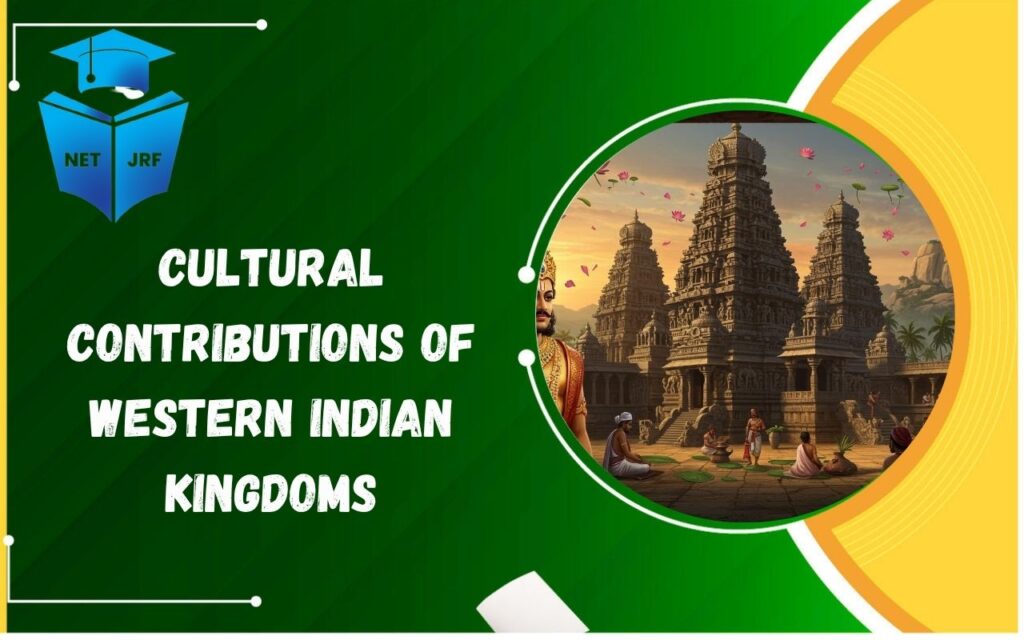
Cultural contributions of Western Indian kingdoms, which reflects the rich heritage and historical significance of these dynasties in South India. The Western Indian kingdoms, especially the Western Chalukyas, were crucial in shaping culture, literature, and architecture between the 10th and 12th centuries. Their contributions remain a cornerstone of India’s medieval history.

Overview Western Indian Kingdoms
The Western Indian kingdoms primarily included the Western Chalukyas, Solankis of Gujarat, and other regional powers that ruled over present-day Karnataka, Maharashtra, and Gujarat. These dynasties emerged after the decline of early Chalukyas and Rashtrakutas, establishing strong political bases and promoting cultural excellence. The kingdoms were strategically located along fertile rivers and trade routes, which allowed wealth accumulation and extensive patronage of arts.
Key points:
- Western Chalukyas ruled from 10th to 12th centuries with Kalyani as the capital.
- Solankis governed Gujarat, focusing on trade and architecture.
- Dynasties maintained military strength while fostering literature, art, and religion.
- Cultural patronage extended to Kannada, Sanskrit, and Prakrit languages.
Top UGC NET Coaching in Jaipur
Western Indian kingdoms Political
Western Indian kingdoms followed a hierarchical system with the king at the apex. The monarchs delegated responsibilities to ministers, military leaders, and revenue officers. Administration was generally centralized but allowed for regional autonomy through governors or local chiefs.
Structure of Administration:
- King: Supreme authority, defender of dharma, and patron of culture.
- Council of Ministers: Included Chief Minister (Maha Pradhan), Finance Minister (Dandanayaka), and Foreign Affairs Minister (Sandhivigrahika).
- Provincial Governors: Managed regions with semi-autonomous powers.
- Revenue Officers: Collected taxes from agriculture, trade, and urban centers.
Highlights:
- Hereditary monarchy ensured political continuity.
- Ministries were responsible for civil, military, and judicial matters.
- Local village councils aided in grassroots governance, reflecting early decentralized systems.
Military Organization
Western Indian kingdoms maintained strong military forces to protect borders and support expansion. The Western Chalukyas successfully resisted Chola invasions and Rashtrakuta claims. Armies were composed of infantry, cavalry, and war elephants.
- Army facilitated cultural safety and allowed the rulers to invest in temples and learning centers.
- Military campaigns often led to cultural exchanges with neighboring dynasties.
Western Indian kingdoms Economic Foundations
Economy of Western Indian kingdoms revolved around fertile agricultural lands along rivers like Krishna, Tungabhadra, and Narmada. Irrigation projects and tax collection supported both local and royal wealth.
Economic Highlights:
- Agriculture was the primary source of revenue.
- Trade in spices, textiles, and precious metals flourished with regional and overseas merchants.
- Urban centers emerged as hubs of commerce, culture, and administration.
Patronage of Urban Centers
The kingdoms invested in urban development, including marketplaces, educational institutions, and temples. Gujarat under the Solankis saw prosperous towns that facilitated both trade and cultural growth.
Example:
- Anhilwara (modern Patan) became a cultural and commercial center under the Solankis.
- Kalyani under the Western Chalukyas became a hub for literature and law studies.
Western Indian kingdoms Religious Influence
Promotion of Religion
Rulers of Western Indian kingdoms promoted Hinduism while supporting Jainism and Buddhism. Temples were central to community life, serving as religious, cultural, and educational centers.
Key Religious Contributions:
- Construction of grand temples with Nagara and Dravidian architectural blends.
- Patronage of Shaivism, Vaishnavism, and Jain centers.
- Festivals and rituals encouraged social cohesion and cultural transmission.
Societal Reforms
Western Indian dynasties encouraged literary societies, scholarly debates, and the rise of devotional movements like Veerashaivism. These movements influenced language, moral teachings, and the arts.
- Literature and legal treatises guided administration and society.
- Poetry and epic literature celebrated kings, warriors, and ethical values.

Western Indian kingdoms Architectural Achievements
Western Indian kingdoms are celebrated for temple architecture, urban planning, and public works. Western Chalukya architecture blended Nagara (North Indian) and Dravidian (South Indian) styles, creating unique regional identity.
Notable Examples:
- Mahadeva Temple, Itagi: Exquisite stone carvings with attention to iconography.
- Pattadakal Temples: UNESCO World Heritage site reflecting hybrid architectural styles.
- Solanki Temples: Patan temples like Rudra Mahalaya showcase intricate stone work.
Key Architectural Contributions
| Dynasty | Notable Sites | Architectural Features |
| Western Chalukyas | Mahadeva Temple, Itagi | Nagara-Dravidian blend, ornate carvings |
| Solankis | Rudra Mahalaya, Patan | Stone lattice work, grand spires, inscriptions |
| Later Chalukyas | Kalyani Temples | Temple complexes with detailed iconography |
Western Indian kingdoms Literary and Cultural Achievements
Western Indian kingdoms fostered significant literary growth. Kannada, Sanskrit, and Prakrit flourished under royal patronage. Notable scholars included Ranna, Bilhana, and court poets documenting history and ethics.

Literature Highlights:
- Epic poetry and inscriptions recorded royal achievements.
- Jain and Shaiva scholars composed devotional texts.
- Court poets like Bilhana chronicled Vikramaditya VI’s reign.
Arts and Music
Visual arts, sculpture, and music were promoted alongside literature. Temples became centers for performing arts, and inscriptions reveal patronage of musicians, dancers, and craftsmen.
Cultural Impacts:
- Sculpture depicted religious narratives and royal achievements.
- Music and dance were integral to temple rituals and festivals.
- Artisans enjoyed royal support, contributing to sustained cultural heritage.
Cultural contributions of Western Indian kingdoms shaped the medieval history of India through architecture, literature, religion, and arts. Their legacy influenced South Indian culture and continues to be studied for insights into governance, societal structures, and artistic development. The fusion of styles, devotion to arts, and stable administration made these dynasties remarkable in Indian history.
Cultural contributions of Western Indian kingdoms FAQs

Who were the key rulers promoting culture?
Vikramaditya VI of Western Chalukyas and Solanki rulers of Gujarat promoted arts, literature, and religious institutions extensively.
Which languages flourished under Western Indian kingdoms?
Kannada, Sanskrit, and Prakrit thrived under royal patronage, supporting both secular and devotional literature.
What are famous architectural sites of Western Indian kingdoms?
Mahadeva Temple at Itagi, Rudra Mahalaya at Patan, and Pattadakal temple complexes showcase unique architectural synthesis.
How did temples influence society?
Temples served as centers for religion, education, arts, and social gatherings, enhancing community cohesion.