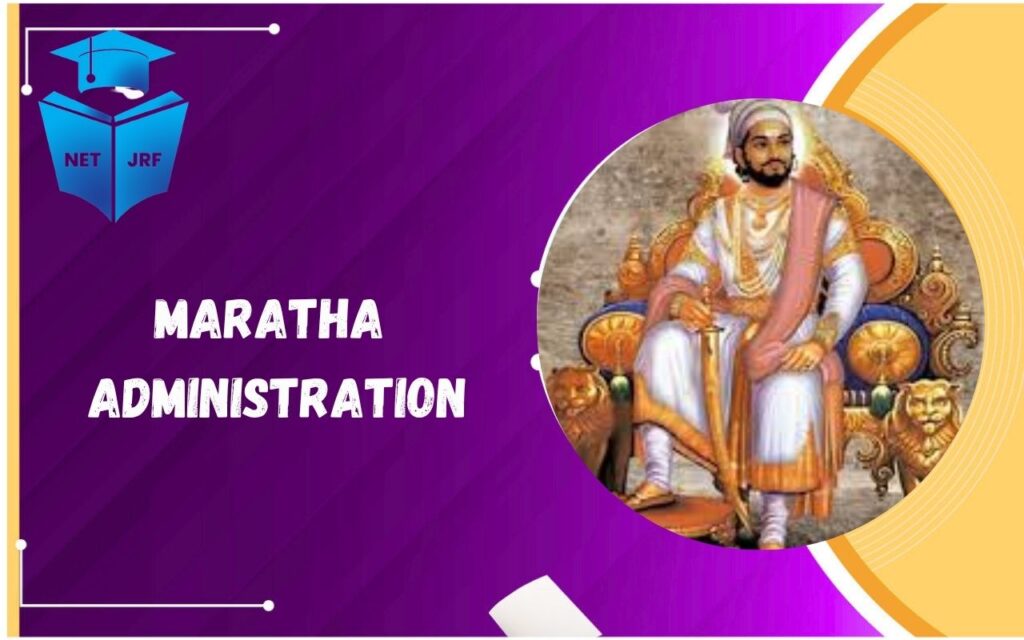
Maratha Administration – Asta Pradhan served as the core cabinet of the Maratha Confederacy which brought glory to the Deccan region. Imagine a revolutionary system where eight specialized ministers managed a growing empire amidst constant threats from the Mughal Empire. This administrative structure did not just happen by chance; it was a deliberate choice by Chhatrapati Shivaji Maharaj to ensure justice and prosperity.
The system established a clear bureaucracy where each minister held a specific portfolio. This formalization happened during the grand coronation of 1674 at the Raigad fort.

Maratha Administration – Asta Pradhan Origins
Chhatrapati Shivaji Maharaj formalized the Maratha Administration – Asta Pradhan during his 1674 coronation. Before this, the Maratha state operated on a smaller scale with fewer formal roles. The coronation at Raigad marked the birth of a sovereign state that needed a professional bureaucracy.
- Shivaji Maharaj issued special coinage known as the copper Shivrai and the gold hon to mark this new era.
- He also proclaimed the Rajyabhishek era to show the world that the Maratha state was independent. The council’s design allowed it to cover every primary function of a growing nation.
- Each minister received a title derived from Sanskrit, moving away from Persian administrative terms.
- This shift highlighted the cultural identity of the Marathas while maintaining efficient governance.
- The council ensured that the king received expert advice on finance, war, and internal peace.
Enroll UGC NET Online Coaching
Step-by-Step Evolution of the Cabinet
- Early Formation: Shivaji Maharaj began appointing advisors early in his career to help manage his growing territories.
- 1674 Formalization: During the coronation at Raigad, the council officially became the Asta Pradhan with Sanskrit titles.
- Military Integration: Most ministers took on active battlefield roles while deputies handled the paperwork.
- Sambhaji’s Reign: The power of the council started to decrease as the king centralised authority.
- Hereditary Shift: Positions that were once merit-based became passed down within families.
- Peshwa Dominance: By 1714, the Peshwa became the de facto ruler, overshadowing the rest of the council.
Maratha Administration – Asta Pradhan Eight Ministers
The Maratha Administration – Asta Pradhan consists of eight specific roles, each vital for the empire’s survival. These ministers did not just sit in courts; they actively participated in the state’s growth.
- Pantpradhan (Peshwa): This role functioned as the Prime Minister. The Peshwa looked after the general administration and represented the King in his absence. Moropant Trimbak Pingle served as the first Peshwa appointed by Shivaji Maharaj.
- Amatya (Mujumdar): The Amatya acted as the Finance Minister. He managed all accounts and ensured the treasury remained healthy. Ramchandra Pant Amatya eventually took this title during the coronation.
- Shurunavis (Sacheev): This minister served as the Secretary. His primary job involved preparing royal edicts and checking official correspondence. Annaji Datto held this important post in 1662.
- Waqia-Navis: He was the Interior Minister. He managed internal affairs, intelligence gathering, and espionage to keep the kingdom safe. Dattoji Pant served in this role during Shivaji’s time.
Maratha Administration – Asta Pradhan Military
Governance in the Maratha Administration – Asta Pradhan required a strong focus on defense and external relations. Since the Marathas faced constant war, most ministers had to be military leaders as well.
- The Sar-i-Naubat (Senapati) acted as the Commander-in-Chief. He managed the forces and organized the defense of the empire. Netaji Palkar was the first, but Hambirrao Mohite became the most famous Senapati of that era.
- The Sumant (Dabir) worked as the Foreign Minister. He managed relationships with other kings and handled diplomatic missions. Sonopant Vishwanath Dubeer was a key figure here, once even controlling two departments at the same time.
- Interestingly, except for the High Priest and the Chief Justice, every other minister held a full-time military command. While they were away at war, their deputies performed their civil duties at the capital. These deputies eventually formed the core of the later bureaucracy.

Key Details of Maratha Administration – Asta Pradhan
| Ministerial Title | Sanskrit Name | Primary Responsibility | First Appointee |
| Prime Minister | Pantpradhan / Peshwa | General Empire Administration | Moropant Trimbak Pingle |
| Finance Minister | Amatya / Mujumdar | Managing Accounts | Nilo Sondeo |
| Secretary | Shurunavis / Sacheev | Royal Edicts | Annaji Datto |
| Interior Minister | Waqia-Navis | Intelligence & Internal Affairs | Dattoji Pant |
| Commander-in-Chief | Sar-i-Naubat | Military Forces | Netaji Palkar |
| Foreign Minister | Sumant / Dabir | Relationships with Sovereigns | Sonopant Vishwanath |
| Chief Justice | Nyayadhish | Civil & Criminal Justice | Niraji Ravaji |
| High Priest | Panditrao | Religious Matters | Raghunath Panditrao |
The table above illustrates the diverse portfolios within the Maratha Administration – Asta Pradhan. This division of labor allowed the Maratha state to handle complex tasks effectively.
Maratha Administration – Asta Pradhan Judicial and Religious Pillars
Legal and spiritual matters played a huge role in the Maratha Administration – Asta Pradhan. The state aimed to provide fair justice to all its citizens regardless of their status.
- The Nyayadhish served as the Chief Justice. He dispensed justice on both civil and criminal matters. Niraji Ravaji was the first to hold this prestigious judicial post. This role ensured that the rule of law prevailed in the heartland of the Maratha Empire.
- The Panditrao was the High Priest of the empire. He managed internal religious matters and promoted learning among the people. He also looked after the interests of the officers and their families. Raghunath Panditrao was the first to receive this post. These two roles were the only ones that did not involve military duties, focusing purely on civil and spiritual governance.
Maratha Administration – Asta Pradhan Decline
The original structure of the Maratha Administration – Asta Pradhan changed significantly after the death of Shivaji Maharaj. His son, Sambhaji, reduced the council’s powers during his reign from 1680 to 1689.
- Over time, these positions became hereditary and ceremonial. They lost the merit-based edge that Shivaji Maharaj had initially intended. By 1714 AD, the power shifted toward the Peshwa family. Shahu, the grandson of Shivaji, appointed a Prime Minister who slowly took over the state’s control.
- This family of hereditary prime ministers kept the title of Peshwa, but the actual council of eight ministers was never fully revived to its original strength. The dynamic bureaucracy of the 1670s eventually transformed into a different kind of political system dominated by the Peshwas.
Maratha Administration – Asta Pradhan Comparative Analysis
History shows us that great rulers often use a council of experts. The Maratha Administration – Asta Pradhan shares similarities with other famous Indian courts.
- For example, Emperor Akbar had his Navaratnas or “Nine Gems”. Similarly, the Vijayanagara ruler Krishna Deva Raya had the Astadiggajas.
- These groups provided specialized advice to the king, much like the eight ministers in the Maratha state.
- Even the Sena Empire under Lakshman Sen had a group called Pancharatnas.
- Some historians even compare the council to Guru Gobind Singh’s initiative with the Khalsa, as it aimed to develop a second line of leadership.
- These comparisons highlight how advanced the Maratha system was for its time.
Enroll UGC NET Coaching in Jaipur
UGC NET Perspectives on Maratha Administration – Asta Pradhan
For students preparing for the UGC NET, understanding the extra-departmental positions is crucial. While the Maratha Administration – Asta Pradhan was the main council, other roles supported the state.
- Chitnis: He handled the king’s personal correspondence and kept historical records.
- Guptahere: This refers to the secret service or intelligence agents like Bahirji Naik.
- Phadnavis: This official managed the financial logs and treasury details, with Nana Fadnavis being a famous later example.
These roles worked alongside the cabinet to ensure the empire functioned smoothly. Examiners often ask about the Sanskrit names of the ministers and their specific duties, so memorizing the 1674 titles is vital for success.
Comparison of Council Systems
| Feature | Maratha Asta Pradhan | Mughal Navaratnas |
| Number of Members | Eight | Nine |
| Primary Focus | Bureaucratic Administration | Cultural & Administrative |
| Military Duties | Mandatory for most | Not always required |
| Source of Titles | Primarily Sanskrit | Primarily Persian |
Maratha Administration – Asta Pradhan
- The council consisted of eight specialized ministers.
- It was formalized in 1674 at Raigad.
- Sanskrit titles replaced Persian terms to reflect Swarajya identity.
- Most ministers had dual roles: civil administrators and military commanders.
- The Peshwa was the most powerful minister, eventually becoming the ruler.
- The system focused on good governance and military success against the Mughals.

Conclusion
Maratha Administration – Asta Pradhan remains a shining example of efficient governance in Indian history. It proved that a well-organized bureaucracy could sustain an empire even during times of intense conflict. By dividing the state’s responsibilities into eight clear portfolios, Shivaji Maharaj ensured that every aspect of the kingdom received expert attention.
Although the system changed over time and eventually gave way to the Peshwa era, its foundational principles of merit and specialization left a lasting legacy. For anyone studying the Maratha Empire, Maratha Administration – Asta Pradhan offers the best insight into how a nascent state grew into a powerful confederacy. We should look at this system not just as a historical fact, but as a masterclass in strategic management and leadership.
Enroll UGC NET Offline Coaching in Jaipur
Maratha Administration – Asta Pradhan FAQs

Who was the first Peshwa?
Moropant Trimbak Pingle was the first Peshwa, serving as the Prime Minister of the council.
Where was the council formalized?
The council was formally established during Shivaji’s coronation at the Raigad fort in 1674.
Did the ministers fight in wars?
Yes, except for the Panditrao and Nyayadhish, all ministers held military commands and led troops.
What was the role of the Amatya?
The Amatya served as the Finance Minister and was responsible for managing the accounts of the entire empire.
Who handled foreign affairs?
The Sumant or Dabir was responsible for managing relationships with other kingdoms and foreign powers.
What happened to the council after Shivaji Maharaj?
The power of the council declined under his successors, and positions eventually became hereditary and ceremonial.
What were the coins issued during the coronation?
The state issued the copper Shivrai and the gold hon as symbols of its sovereignty.
What was the Nyayadhish responsible for?
The Nyayadhish was the Chief Justice who handled both civil and criminal legal cases.
How is this council different from Akbar's Navaratnas?
While both were advisory groups, the Maratha council was more focused on structured departmental bureaucracy and military leadership.