

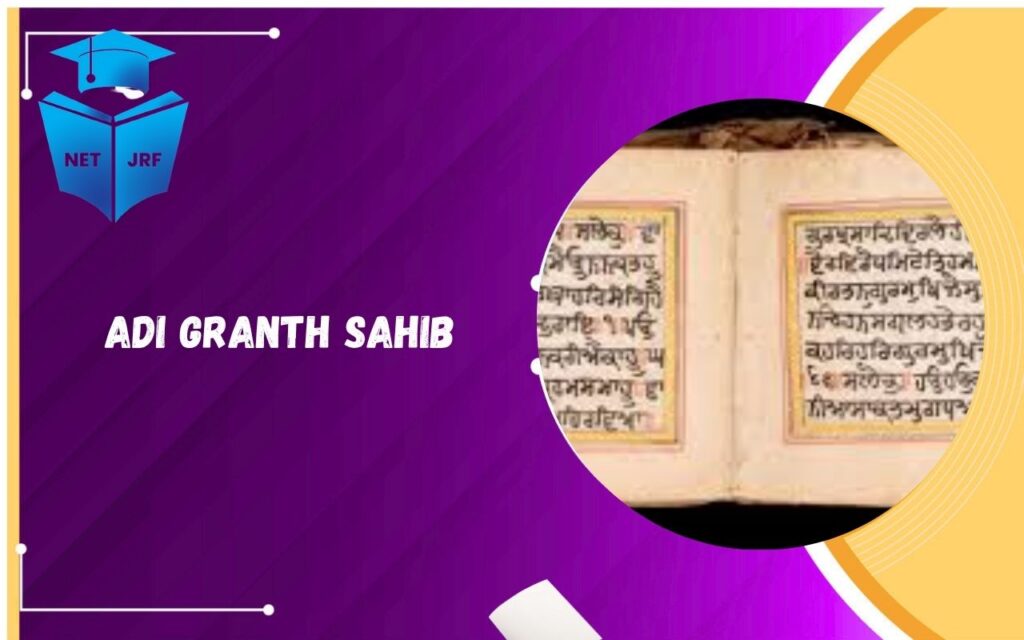
Adi Granth serves as the primary religious book of the Sikh faith. This holy scripture represents the actual voice of the Sikh Gurus and provides a foundation for their values. It also goes by the name Sri Guru Granth Sahib. This collection includes poems, sermons, and hymns from Sikh Gurus and other religious figures. These figures include both Hindu and Muslim saints. Sikhs view this book as the ultimate source of wisdom and knowledge. It offers lessons on ethics that remain highly relevant for public servants and students. These lessons emphasize honesty, sympathy, balance, and caring help.

Adi Granth Sahib in Sikh History
The history of this sacred text connects deeply with the growth of Sikhism as a distinct religion. Before the gurus compiled this volume, they taught their lessons orally. Guru Nanak Dev, the first Sikh Guru, traveled to many places to spread messages of brotherhood. His followers recorded these teachings in a collection called the Pothi Sahib. Bhai Mardana, a close disciple, contributed to these early records.
Enroll UGC NET Coaching in Jaipur
- Later Sikh Gurus also composed psalms and sonnets to add to this oral and written tradition.
- Guru Arjan Dev, the fifth Sikh Guru, officially started the compilation process. He was a prolific author who wrote many hymns himself. He gathered the writings of previous spiritual leaders into one volume in 1604 CE.
- This event marked a major turning point in Sikh history. It established Sikhism as a unique religion with its own benevolent sacred text. The compilation process showed the world that Sikhism possessed a distinct identity.
- The compilation of the Adi Granth also carried political weight. Guru Arjan Dev intentionally included writings from Hindu and Muslim saints.
- This choice promoted the idea of religious unity and brotherhood. However, this inclusive nature caused tension with the Mughal authorities. Emperor Jahangir felt enraged by the inclusion of diverse religious perspectives.
- After the death of Guru Arjan Dev, the sixth Guru, Guru Hargobind, took up arms. He fought to protect the community from Mughal oppression. These events strengthened the status of the scripture as a living document.
Holy Scripture Three Core Sections
The internal structure of the scripture follows a very organized pattern. It contains three main sections that house different types of compositions. Each section focuses on specific gurus or themes that define the faith.
- Japji Sahib: This first section contains the foundational structures of Guru Nanak Dev. It includes important works like the Sidh Gohst and Asa Ki Vaar. This section also features works by Guru Angad, Guru Amar Das, and Guru Ram Das.
- Sri Guru Granth Sahib: The second section holds the compositions of Guru Arjan Dev. Since he compiled the volume, his poems and hymns form a large part of this area. It also includes the writings of Guru Tegh Bahadur, the ninth Sikh Guru.
- Dasam Granth: The third section involves the writings of the tenth Guru, Guru Gobind Singh. This part contains works from him and other poets.
In addition to these main sections, the text includes other hymns like Ragmala and Bhagat Bani. Guru Arjan Dev incorporated these to ensure the message of solidarity reached everyone. These additional songs came from various religious leaders outside the Sikh faith. This variety reinforces the inclusive nature of the scripture’s teachings.
Enroll UGC NET Offline Coaching in Jaipur
Adi Granth Sahib- The Khalsa
Adi Granth and Khalsa are not the same. They refer to two completely different things in the Sikh tradition.
1. Adi Granth
- It is the holy scripture of Sikhism.
- Compiled in 1604 by Guru Arjan Dev.
- It contains hymns of Sikh Gurus plus Bhakti and Sufi saints such as Kabir and Ravidas.
- Later it became the final scripture called Guru Granth Sahib, which is considered the eternal Guru of Sikhism.
2. Khalsa
- Khalsa is the sacred brotherhood of initiated Sikhs.
- It was established in 1699 by Guru Gobind Singh.
Members follow strict religious discipline and keep the Five K’s (Kesh, Kangha, Kara, Kachera, Kirpan).
Simple Difference
- Adi Granth → Sacred religious book.
- Khalsa → Community of initiated Sikhs with a religious code.
Adi Granth Languages and Musical Measures
The linguistic diversity of the Adi Granth is truly remarkable. The authors used many different languages to convey their spiritual messages. These include Punjabi, Sanskrit, Hindi, and Persian. This mix of languages allowed the teachings to reach people across different regions and backgrounds.
- The text uses the Gurmukhi script for all its recordings. This script remains the standard for Sikh religious writings today.
- The musical aspect of the scripture also holds great importance. Authors intended for these hymns to be sung or recited aloud with music. The text organizes its 1430 pages into 31 different ragas, or musical measures.
- This musical structure helps create a sense of community among those who listen. The Gurbani style is the specific musical tradition used for these recitations. This style has passed down through many generations of the Sikh community.
- Using music makes the spiritual lessons more accessible to everyone. It transforms the reading of the text into a shared experience of worship. This tradition continues in gurdwaras all over the world.
- The melodic nature of the verses helps devotees connect more deeply with the divine. It also ensures that the lessons remain memorable and impactful for the listeners.
Enroll UGC NET Online Coaching

Essential Features of the Holy Adi Granth
| Feature | Description |
| Primary Compiler | Guru Arjan Dev, the fifth Sikh Guru |
| Year of Completion | 1604 CE |
| Total Page Count | 1430 Pages |
| Musical Structure | 31 Ragas or musical measures |
| Primary Script | Gurmukhi script |
| Languages Included | Punjabi, Sanskrit, Persian, Hindi, and regional dialects |
Adi Granth Spiritual and Ethical Significance
The Adi Granth provides a complete guidebook for spiritual wisdom. It offers direction on how to achieve enlightenment and live a meaningful life. The Sikh Gurus acted as messengers of God to deliver these lessons. Their writings help individuals connect with the divine through devotion and prayer.
- This spiritual guidance remains the most reliable source for Sikhs today.Beyond spirituality, the text emphasizes strong moral attributes.
- It rejects superstitions and promotes the equality of all human beings. The scripture teaches that serving humanity is a form of serving God.
- These ethical values are crucial for building a fair and just society. Public servants find these lessons particularly useful for their daily work. The text advocates for justice and love for all, regardless of their social status.
- The inclusive nature of the text makes it unique among world religions. By including Hindu and Muslim saints, it fosters brotherhood between different faiths. It reflects the rich culture and history of the Punjab region from the 15th to the 18th century.
- This historical perspective provides valuable insights into the social life of that era. The scripture acts as a bridge that connects various communities through shared values.
Comparison of Major Contributors
| Contributor Category | Primary Role and Contribution |
| First Sikh Guru | Guru Nanak Dev provided the core philosophical foundation |
| Fifth Sikh Guru | Guru Arjan Dev compiled the text and added many hymns |
| Ninth Sikh Guru | Guru Tegh Bahadur contributed vital spiritual writings |
| Hindu/Muslim Saints | Figures like Kabir and Namdev promoted universal brotherhood |
Adi Granth Preservation
The original version of the scripture resides in the Golden Temple in Amritsar. Sikhs treat every copy, known as a Saroop, with immense religious respect. In every gurdwara, the book sits on a raised platform. Devotees cover it with a fine cloth as a sign of veneration. They perform prayers and sing psalms from the book every day. This practice helps maintain the spiritual atmosphere of the temple.
- Sikhs consider the Adi Granth to be a living Guru. This belief started after the death of Guru Gobind Singh in 1708.
- He declared that there would be no more human gurus. Instead, the scripture would serve as the eternal guide for the community. Because of this, the book receives the same treatment as a royal person. Following its guidance is a daily duty for every Sikh follower.
- The text also governs the daily rituals known as Nitnem.
- These rituals influence the moral and cultural life of the people.
- The scripture is not just a book to be read; it is a presence to be honored.
- Its teachings on equality and justice continue to shape the cultural scenario of Punjab.
- The preservation of this text ensures that future generations can access its wisdom.
The Adi Granth remains a cornerstone of the Sikh faith and a vital piece of world heritage. It provides a roadmap for spiritual enlightenment and social justice that transcends religious boundaries. By combining the wisdom of various saints and gurus, it serves as a powerful symbol of unity. Its historical value offers a unique window into the culture of Punjab over several centuries. For students and spiritual seekers alike, this text offers timeless lessons on honesty and compassion. The legacy of the Sikh Gurus lives on through the verses of the Adi Granth, guiding millions toward a meaningful life. In the future, its message of brotherhood will continue to inspire those seeking a more inclusive world.

Revision Points
- Holy Name: Also known as the Sri Guru Granth Sahib.
- Compilation: Guru Arjan Dev finished the work in 1604.
- Structure: It contains 1430 pages organized by 31 ragas.
- Inclusivity: Features writings from Sikh, Hindu, and Muslim spiritual leaders.
- Script: Written entirely in the Gurmukhi script.
- Languages: Uses a mix of Punjabi, Sanskrit, Persian, and Hindi.
- Living Guru: Considered the final and eternal Guru of the Sikhs.
- Central Message: Focuses on one God, equality, and service to others.
- Location: The original copy is kept at the Golden Temple in Amritsar.
- UGC NET Relevance: A frequent topic in History and Culture exams.
Adi Granth FAQs

2. Who compiled the first version of this sacred text?
The first compilation of the Adi Granth was completed in 1604 by Guru Arjan Dev, the fifth Sikh Guru. He collected hymns written by earlier Sikh Gurus such as Guru Nanak, Guru Angad, and Guru Amar Das. Guru Arjan also included devotional poetry from several Hindu and Muslim saints to create a universal spiritual text that represented diverse voices of devotion.
3. How does the Adi Granth promote social equality?
The Adi Granth promotes equality by including hymns written by saints from different religions, castes, and social backgrounds. For example, the works of saints like Kabir, Ravidas, and Namdev appear alongside the hymns of Sikh Gurus. This demonstrates the idea that spiritual truth belongs to all humanity, not just to one religion or social group. The scripture therefore became a powerful message against caste hierarchy and social discrimination.
4. What script is used to write the Sikh scripture?
The entire text of the Adi Granth is written in the Gurmukhi script, which was standardized by Guru Angad Dev. This script was designed so that ordinary people could read religious teachings without depending on priests or scholars. By using a simple writing system, the Sikh Gurus made spiritual knowledge accessible to farmers, traders, artisans, and other common people.
5. How many pages does the holy book contain?
The final form of the Guru Granth Sahib, which developed from the Adi Granth, contains exactly 1430 pages, known as Angs. Each page is considered sacred because Sikhs believe that the scripture itself represents the living Guru. The text is carefully preserved in gurdwaras around the world and is treated with great respect during worship and ceremonies.
6. What are ragas in the context of this book?
In the Adi Granth, the hymns are arranged according to musical patterns called Raga. A raga is a specific melodic framework used in Indian classical music. Each raga creates a particular mood or emotional atmosphere. By organizing the hymns according to ragas, the Sikh Gurus ensured that the verses could be sung during devotional gatherings, making worship more spiritual and emotionally engaging.