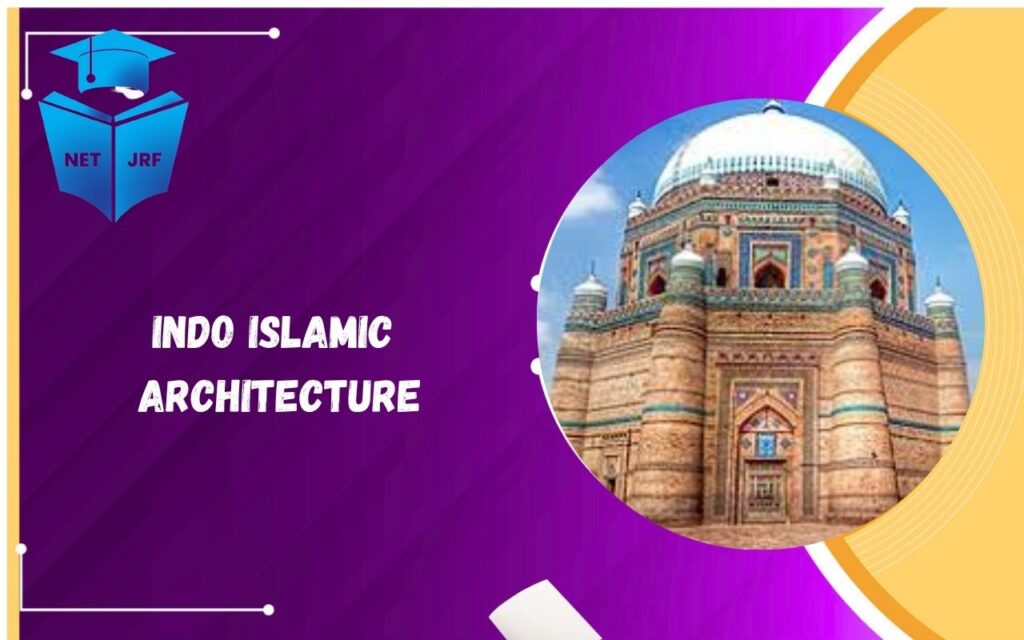
Indo-Islamic Architecture reflects a beautiful marriage between Indian traditions and Islamic styles. This unique fusion began with the Arab conquest of Sind in 712 AD and grew stronger after the Ghurid occupation in the 12th century. Medieval India witnessed the birth of massive structures that changed the skyline forever. This article explores how different dynasties shaped this incredible heritage.

Historians often call this style Indo-Saracenic architecture. It combines elements from Persian, Turkish, and Afghan traditions with local Indian craftsmanship. This synthesis created a distinct design language that still influences Indian buildings today. Indo-Islamic Architecture Evolution
The story of this architectural style starts with the arrival of new rulers in the medieval period. These rulers brought fresh ideas from Sassanian and Byzantine traditions. They introduced features like calligraphy, geometric patterns, and massive domes.
- However, they did not discard local talent. Indian architects preserved many traditional elements while adopting these new Islamic techniques.
- This evolution occurred in stages over several centuries.
- The early phase saw the conversion of existing temples into mosques. Later, rulers began building original structures with planned designs.
- This progression led to a sophisticated blend of Persian aesthetics and Indian structural strength.
Enroll UGC NET Offline Classes in Jaipur
Indo-Islamic Architecture Features
One major shift was the move from the Trabeate style to the Arcuate style. Traditional Indian buildings used horizontal beams (Trabeate). The new rulers introduced arches and domes (Arcuate) to create vast, open spaces. This change allowed for more massive and imposing structures.
Architects also focused heavily on decoration. Since Islamic tradition prohibits human or animal figures, they used other methods. Calligraphy, especially Quranic verses, became a popular decorative tool. They also used Arabesque techniques, which feature continuous vegetal patterns. Another famous feature is Jaali work, or intricate stone latticework, which allows light and air to pass through.
-
The Role of Water and Gardens
-
- Water plays a vital role in these designs. Courtyard pools and fountains provide cooling and serve religious purposes. The rulers also introduced the Charbagh layout. This design divides a square garden into four identical parts using water channels. The Taj Mahal and Humayun’s Tomb are perfect examples of this paradisiacal imagery.
Delhi Sultanate
The Delhi Sultanate ruled for nearly four centuries, and each dynasty added its own flavor to Indo-Islamic Architecture,.
-
The Slave and Khilji Dynasties
-
-
- The Slave Dynasty (1191-1290 CE) introduced the Mameluke style. Famous examples include the Qutub Minar and the Quwwat-ul-Islam Mosque. Later, the Khilji Dynasty (1290-1320 CE) made red sandstone popular. They also started using mortar as a primary cementing agent for stronger construction. The Alai Darwaza is a masterpiece from this era.
-
Join UGC NET Coaching in Jaipur
-
Tughlaq and Lodhi Innovations
-
- During the Tughlaq period (1320-1413 CE), architects focused more on strength than decoration. They developed the “batter” technique, where walls sloped inward to provide better support. In contrast, the Lodhi Dynasty (1451-1526 CE) introduced the “double dome”. This design featured a hollow dome inside a taller outer dome, giving the building a grand look while keeping the interior ceiling at a reasonable height.

Regional and Provincial Styles
As the central power in Delhi weakened, independent provincial kingdoms emerged. These regions developed their own versions of Indo-Islamic Architecture, based on local materials and climate.
- Bengal Style: Architects here used bricks and black marble. They incorporated “Bangla roofs,” which were sloping roofs originally used in local temples.
- Malwa Style: Also known as the Pathan School, this style focused on environmental adaptation. Buildings featured large windows and artificial reservoirs for cooling.
- Jaunpur Style: The Sharqi rulers avoided minarets but used large, bold inscriptions on prayer hall screens.
- Kashmir Style: This style blended Islamic elements with traditional Kashmiri wood and stone work. These buildings often lacked domes and instead used multi-tiered sloping roofs.
The Grand Mughal Era
The Mughal Empire brought Indo-Islamic Architecture to its peak of grandeur and symmetry. Mughal emperors like Akbar and Shah Jahan were great patrons of art. They used expensive materials like white marble and precious stones.
The Mughals perfected the Pietra-Dura technique. This involves inlaying precious gems directly into marble walls to create floral patterns. The Taj Mahal represents the ultimate achievement of this era, showcasing perfect symmetry and incredible detail. Fatehpur Sikri also stands as a testament to their innovative city planning and design.
Enroll UGC NET Mock Test Series
Structural Breakdown of Medieval Buildings
| Building Type | Purpose | Key Examples |
| Forts | Defense and Power | Chittor Fort, Gwalior Fort, Agra Fort |
| Tombs | Memorials for Royalty | Humayun’s Tomb, Taj Mahal, Gol Gumbaz |
| Mosques | Religious Gatherings | Quwwat-ul-Islam, Jami Masjid |
| Minars | Azaan and Symbol of Might | Qutub Minar, Chand Minar |
Types of Structures in Medieval India
Rulers built various types of buildings to meet religious and secular needs.
-
Forts and Palaces
-
-
- Forts symbolized the ruler’s power and sovereignty. Rulers built them at strategic heights for security. Examples like the Daulatabad Fort and Golconda Fort show complex planning and architectural strength. These forts often contained palaces, hammams (baths), and gardens within their walls.
-
-
Tombs and Minarets
-
- Tombs were elaborate structures because royalty believed in an eternal paradise. They often situated tombs near water bodies and gardens to mimic heaven. Minarets served a dual purpose. While they were used for the call to prayer (Azaan), their great height also symbolized the might of the ruler. The Qutub Minar remains one of the most iconic minars in the world.
Key points
- Fusion: Indo-Islamic Architecture, is a mix of Indian, Persian, and Turkish styles.
- Technique: The shift from Trabeate to Arcuate was a major turning point.
- Decor: Use of Calligraphy, Arabesque, and Jaali work instead of human figures.
- Innovation: Introduction of the double dome and Charbagh gardens.
- Materials: Progression from local sandstone to luxurious white marble.

Conclusion
The legacy of Indo-Islamic Architecture, remains visible in India’s most famous landmarks. By blending foreign techniques with local craftsmanship, medieval rulers created a unique aesthetic that defined an era. From the sturdy forts of the Deccan to the delicate marble inlays of the Mughals, these structures tell a story of cultural synthesis. Today, these monuments stand as cultural symbols and essential subjects for students exploring India’s rich history. Understanding this architectural journey helps us appreciate the diverse roots of Indian heritage.
Enroll UGC NET Foundation Batch Online
Indo-Islamic Architecture FAQs

What is the difference between Trabeate and Arcuate styles?
Trabeate uses horizontal beams for support, while Arcuate uses arches and domes to create space.
Why did Islamic rulers avoid human figures in buildings?
Islamic tradition prohibits the use of figurative art (humans and animals) in religious and public architecture.
What is the Charbagh style?
It is a garden layout where a square space is divided into four equal parts by water channels.
What is the Pietra-Dura technique?
It is the art of inlaying precious stones and gems into marble walls for decoration.