
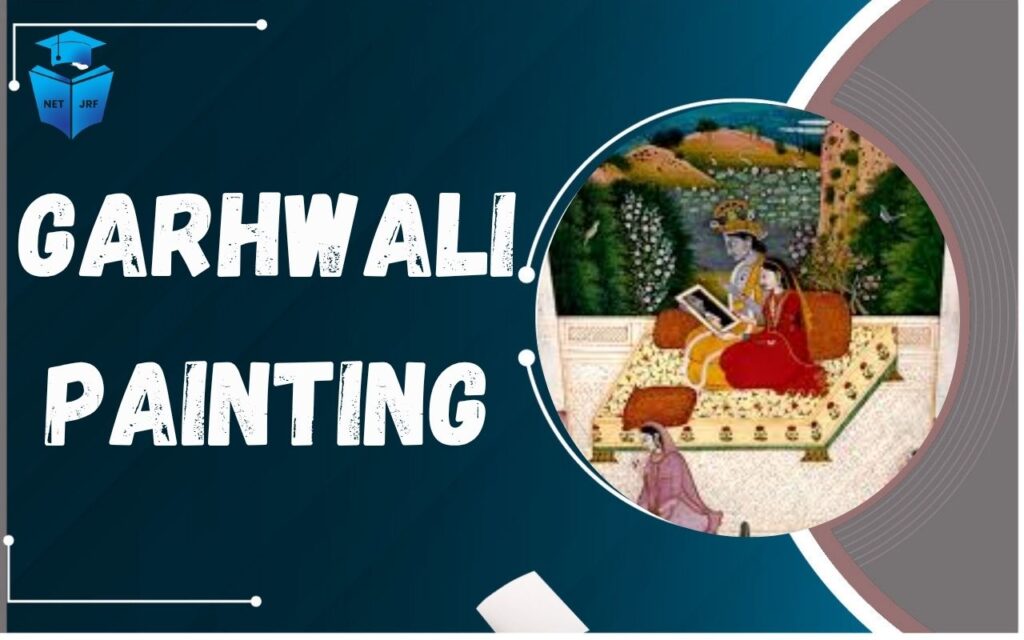
Garhwali Painting stands as a magnificent pillar of Indian art history that captures the soul of the Himalayas. You can find these beautiful artworks in the hills of Uttarakhand, where they tell stories of kings, gods, and nature. For students preparing for exams like UGC NET or UKSSSC, understanding this school of art is essential. This style does not just show pictures; it shows the heartbeat of a culture that blended Mughal precision with mountain beauty.

The world of Indian art is vast, but this specific style holds a unique charm. It belongs to the larger family known as Pahari painting, which includes styles from Kangra, Basoli, and Guler. However, the artists here developed a voice that feels more personal and poetic. As you read this article, you will discover the secrets behind the colors, the history of the royal patrons, and the genius of the master painter Maularam.
Learning about these paintings helps us connect with our past. It shows us how different cultures can mix to create something entirely new and beautiful. Let us dive deep into the valleys of Garhwal to explore this artistic legacy.
The Rich History of Garhwali Painting
The story of Garhwali Painting began with a dramatic royal escape that changed Indian art forever. In the 17th century, a Mughal Prince named Suleman Sikoh sought refuge in the Garhwal hills. He did not come alone. He brought along skilled painters who knew the secrets of the Mughal court style.
Initially, these artists practiced what we call Mughal Style Miniature painting. They used fine lines and detailed court scenes. However, when the Prince eventually left, the painters chose to stay behind in the peaceful mountains. They began to mix their royal training with the local Himalayan environment. This blend of styles created a new identity that historians now call the Garhwal style or the Garhwali school.
Over time, this art moved away from the strict rules of the Mughal courts. The artists began to paint the lush green hills, the flowing rivers, and the spiritual stories of the region. This evolution highlights how a foreign style can take root in a new soil and bloom into a local masterpiece.
The Golden Era of Maularam
Every art movement has a superstar, and for this style, that person is Maularam. Most experts agree that Maularam represents the pinnacle of Garhwali Painting because of his immense talent and versatility. He was not just a painter; he was also a poet and a historian. His work gave the school its definitive shape and fame.
Maularam lived during the 18th and early 19th centuries. He took the existing miniature techniques and added a sense of emotion and romanticism. His paintings often feature slender figures, beautiful landscapes, and deep spiritual themes. If you look at his work, you will see a perfect balance between technical skill and artistic feeling.
His legacy remains so strong that even today, competitive exams often ask questions about his contribution. He successfully kept the tradition alive through difficult political times in the region. Without his dedication, the world might have lost this unique Himalayan aesthetic.
Key Characteristics of the Himalayan Aesthetic
When you look at Garhwali Painting, you will notice several distinct features that set it apart from other Indian styles. The artists used natural pigments made from minerals and plants. This gave the paintings a soft but vibrant look that lasts for centuries.
- Human Figures: The artists usually drew humans with graceful, elongated bodies. They paid special attention to the faces, often giving them a distinct profile.
- Nature Motifs: The background almost always features the beautiful Garhwal landscape. You will see rolling hills, flowering trees, and winding paths.
- Colors: The use of primary colors is common, but they are often softened to match the misty mountain atmosphere.
- Themes: Many paintings focus on the love stories of Radha and Krishna, which are central to the Pahari school tradition.
The composition of these paintings is always very balanced. Even when a scene has many characters, it never feels crowded. This clarity is a hallmark of the high-quality craftsmanship found in this region. The painters often used a narrative style, telling a whole story within a single small frame.

Academic Importance for UGC NET and Competitive Exams
Students of art history must pay close attention to the distinction of Garhwali Painting within the Pahari group. In exams like UGC NET, examiners often test your knowledge of various regional styles. You must know how this style differs from Kangra or Basoli.
For example, while Basoli is known for its bold colors and intense expressions, the Garhwal style is more lyrical and soft. Understanding these nuances helps you score better in the iconography and aesthetics sections of the exam. You should also remember the names of important patrons and the timeline of the Mughal influence.
Top UGC NET Offline Coaching in Jaipur
Table 1: Features of Garhwali Painting and Other Pahari Styles
| Style Name | Famous Artist/Patron | Key Characteristic | Source Info |
| Garhwali Painting | Maularam / Suleman Sikoh | Poetic, Graceful figures, Mughal roots | |
| Basoli Style | Nainsukh | Bold colors, intense eyes | |
| Guler Style | Pandit Seu | Refined lines, naturalism | |
| Kangra Style | Maharaja Sansar Chand | Delicate, soft colors, romantic |
The table above shows how the development of Garhwali Painting sits alongside other major schools. This comparative knowledge is vital for any serious student of Indian culture.
Comparing Regional Miniature Traditions
While we celebrate the beauty of the Garhwal hills, we must also look at the neighbors. The Pahari school is like a large tree with many branches. The evolution of Garhwali Painting was deeply influenced by the movements of artists between these different mountain kingdoms.
The Basoli style, for instance, is much older and uses very bright colors. The artists there often used beetles’ wings to create a shimmering effect in their paintings. In contrast, the Garhwal artists preferred a more subtle approach. They focused on the “Nayika” themes—depicting various moods of women in love.
Then we have the Guler style, which served as a bridge between the Mughal tradition and the later Kangra style. Many scholars believe that Guler artists migrated to Garhwal and helped refine the local techniques. This exchange of ideas ensured that the art form never became stagnant. Each generation added something new while respecting the old rules.
Materials and Techniques Used by Masters
The process of creating a masterpiece in the tradition of Garhwali Painting required great patience. Artists did not just buy paint from a shop. They had to create everything from scratch. This manual process is why the paintings still look fresh even after 200 years.
- Paper Preparation: They used handmade paper, often layered to make it thick and durable. They polished the surface with a smooth stone to make it ready for fine lines.
- Sketching: The artist would first make a light sketch using red or charcoal. This established the composition and the placement of figures.
- Color Making: They ground semi-precious stones like lapis lazuli for blue and used gold leaf for ornaments. White came from burnt conch shells.
- Finishing: After applying the colors, they used very fine brushes made from squirrel hair to add the final details, like individual strands of hair or tiny flowers.
This dedication to the craft shows the high level of patronage that the artists enjoyed. Kings and nobles valued these paintings as status symbols and spiritual treasures. The study of Garhwali Painting reveals not just art, but the entire social structure of the time.
Table 2: Themes and Symbols in Miniature Art
| Theme Category | Description | Common Symbol |
| Religious | Stories of Krishna and Rama | The Flute or Bow |
| Romantic | The eight types of Nayikas (Heroines) | A waiting bird or a storm |
| Courtly | Portraits of kings and princes | Royal umbrellas and fans |
| Nature | The beauty of the Himalayan seasons | Blooming lotus and peacocks |
Legacy and Modern Preservation
The study of Garhwali Painting today is more important than ever. While the era of royal patronage has ended, the artistic value remains priceless. Museums in London, Delhi, and Varanasi proudly display these miniatures. They serve as a window into the peaceful and spiritual life of the old Himalayan kingdoms.
Efforts are now underway to teach these traditional techniques to new artists. Some art schools in Uttarakhand are trying to revive the use of natural pigments. By supporting these efforts, we ensure that the vibrancy of Garhwali Painting does not fade into history.
For the modern viewer, these paintings offer a sense of calm. In a world of digital screens, the handmade precision of a miniature is a breath of fresh air. It reminds us that true beauty takes time and a deep connection with nature.
Summary of Key Takeaways
Before we move to the FAQ and conclusion, let us review the essential points for your quick revision:
- Origin: Started with Mughal painters who came with Prince Suleman Sikoh.
- Most Famous Artist: Maularam is the central figure of this school.
- Style: It is part of the Pahari school of miniature painting.
- Key Themes: Focused on Krishna-Radha, nature, and romantic poetry.
- Exam Importance: Frequently appears in UKSSSC and UGC NET papers.
- Distinction: Known for graceful, thin figures and beautiful mountain backgrounds.
Steps to Identify an Authentic Garhwal Miniature
- Look for the facial profile; it is usually very sharp and elegant.
- Check the background for specific Himalayan trees like the rhododendron.
- Examine the color palette; it should feel soft and harmonious rather than harsh.
- Identify the theme; if it matches the poems of Maularam, it is likely a Garhwal piece.
Join UGC NET Offline Classes in Jaipur
Conclusion
In summary, Garhwali Painting is a treasure of Indian heritage that deserves our respect and attention. From its royal Mughal beginnings to its peak under the genius of Maularam, this art form has traveled a long and beautiful journey. It teaches us about the history of the Himalayas and the incredible skill of ancient Indian artists. Whether you are a student preparing for exams or just a lover of beauty, exploring the future of Garhwali Painting through preservation and study is a rewarding path. Let us continue to celebrate this poetic tradition that turns simple paper into a timeless window to the soul.

Garhwali Painting FAQ

Q2: Who is the most famous artist of Garhwali Painting?
Maularam is widely considered the most famous and influential artist of this specific style.
Q3: Which larger school of art does this belong to?
It belongs to the Pahari School of Miniature Painting, which flourished in the North Indian hills.
Q4: What colors did the artists use?
They used natural pigments made from minerals, stones, and plant extracts to create long-lasting colors.
Q5: Is this topic important for UGC NET?
Yes, it is a key part of the Indian Art History syllabus for UGC NET and other state-level exams.
Q6: How did the Mughal style change in Garhwal?
The artists began incorporating local landscapes, themes of Hindu spirituality, and a softer aesthetic compared to courtly Mughal art.
Q7: Who was Suleman Sikoh?
He was a Mughal Prince who took shelter in Garhwal and brought royal painters with him, sparking the local art movement.
Q8: What are the common themes in these paintings?
Common themes include the love of Radha-Krishna, the moods of heroines (Nayika Bhed), and scenes from the Himalayas.
Q9: Where can I see these paintings today?
You can find them in major museums like the National Museum in New Delhi and the Bharat Kala Bhavan in Varanasi.
Q10: What makes the human figures in this style unique?
The figures are typically slender and graceful, with very refined facial features and expressive eyes.