

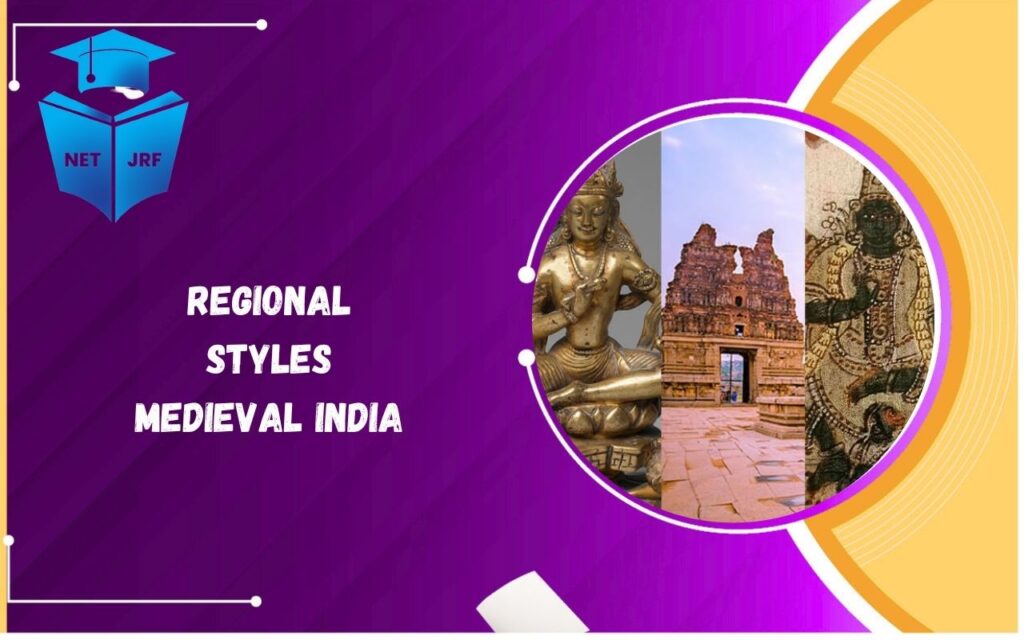
regional styles of medieval India offer a glimpse into the diverse artistic heritage of our country. Different parts of India developed unique ways of building during the middle ages. These variations appeared because of local weather, available materials, plus the tastes of different kings. Each region created a specific identity through its temples, mosques, plus forts.

Rise of regional styles medieval india
The emergence of regional styles in medieval India happened when local rulers gained more power. As the central authority weakened, provincial kingdoms wanted to display their own cultural strength. They combined local traditions with new ideas from outside sources. This mixture created a “multiplicity” of building styles across the subcontinent.
Many factors influenced how these styles grew. The climate played a huge role in choosing building materials. For example, builders in rainy areas used bricks while others used stone. Social and religious factors also changed how architects designed their buildings. This era shows us a high level of cultural integration through architecture.
Bengal Architecture
Bengal developed one of the most interesting regional styles of medieval india between the 8th and 19th centuries. Because the region has high humidity, builders found it hard to use stone. Instead, they relied on high-quality bricks plus terracotta. This gave Bengal buildings a very warm and earthy look that people still admire today.
The Pala dynasty started this tradition by building massive Buddhist monasteries. One famous example is the Somapura Mahavihara, which is now a UNESCO World Heritage site. Builders decorated the walls with terracotta panels showing scenes from mythology plus daily life. These panels also helped keep the buildings cool during the hot summers.
The Unique Curved Roof of Bengal
- A special feature of Bengal architecture is the curved roof. This design mimics the shape of a traditional bamboo hut or a boat hull. The Jor Bangla Temple in West Bengal shows this style perfectly. It looks different from the flat roofs found in other parts of India.
- Islamic rulers in Bengal also adopted these local styles. The Tomb of Shaista Khan in Dhaka uses marble plus intricate calligraphy. Even later buildings, like the Hazarduari Palace in Murshidabad, mixed Mughal plus European styles. This palace has 1,000 doors, though only 900 of them actually open.
Sharqi Style of Jaunpur
In Northern India, the city of Jaunpur became a hub for a powerful architectural movement. The Sharqi dynasty patronized this specific regional style of medieval India during the 14th and 15th centuries. This style feels very strong plus massive compared to the delicate styles of other regions. It mixed Indian, Persian, plus Islamic elements together.
The Atala Masjid stands as the most famous building in this category. Sultan Ibrahim Sharqi built it in the 1370s. It features a large central courtyard plus a rectangular shape. The front of the mosque has five arches decorated with floral plus geometric patterns.
The Use of Massive Pylons
- The most striking feature of the Jaunpur style is the use of “pylons”. These are giant, towering gateways at the entrance of mosques. They make the structure look much larger than it really is. The Jama Masjid in Jaunpur also uses these grand entrances plus beautiful domes.
- Engineering also flourished in this region. Sultan Mahmud Sharqi built the Shahi Bridge over the Gomti River in the 15th century. This stone bridge has 15 arches plus decorative turrets. It shows that the builders of Jaunpur were masters of both residential plus military construction.
Gujarat and Rajasthan
Gujarat state acted as a wealthy trade hub during the medieval period. This wealth allowed kings to build magnificent structures using regional styles of medieval india. The Solanki dynasty ruled from the 10th to the 13th century. They became famous for their complex stone carvings plus decorations.
- The Sun Temple at Modhera is a great example of Solanki art. It features incredibly detailed pillars plus a large water tank. When Islamic rulers arrived, they blended their ideas with these Hindu traditions.
- This created the “Indo-Islamic” style seen in the Jama Masjid of Ahmedabad.
Rajput Forts and Jain Temples
- Rajasthan also contributed heavily to the architectural history of the time. The Rajput dynasties built massive forts like Chittorgarh plus Amer Fort. These structures used sandstone plus focused on defense. They featured specific elements like “jharokhas” (windows) plus “chhatris” (domed pavilions).
- Gujarat also holds some of the best Jain architecture in India. The Dilwara Temples at Mount Abu use white marble with tiny, intricate carvings. Another masterpiece is the Rani ki Vav in Patan. This stepwell shows the “Maru-Gurjara” style, which mixes Rajasthani plus Gujarati art.
Best UGC NET Offline Classes in Jaipur

Deccan Style
The Deccan region in South India developed its own versions of regional styles of medieval India. The Bahmani Sultanate ruled Gulbarga in the 14th and 15th centuries. They promoted a style that combined Persian plus Indian elements.
- Their buildings often have thick walls plus massive domes.
- The Gulbarga Fort is a strong structure with many bastions. Inside, you can find the Jama Masjid, which has a very unique design.
- Unlike most mosques, it does not have an open courtyard. Instead, a giant roof with many small domes covers the entire prayer area.
Spiritual Architecture in the Deccan
- Gulbarga is also home to important religious sites. The Khwaja Banda Nawaz Dargah shows the “Deccan style” through its tall minarets plus large dome. The walls of the Dargah feature complex designs that reflect Sufi traditions. It remains a major center for pilgrims today.
- We also see Hindu styles in this region during the same time. The Sharana Basaveshwara Temple uses a “graded pyramid” shape. This structure follows the Chalukya style of architecture. It proves that different religions influenced each other in the Deccan.
Bidar Architecture
Bidar became the capital after Gulbarga plus took regional styles of medieval india to a new level. The architecture here shows a much stronger Persian influence. Builders used pointed arches that look similar to the “Gothic” style found in Europe. These arches gave the buildings a very tall plus elegant appearance.
The Bidar Fort contains many beautiful palaces like the Rangin Mahal. Builders decorated the interiors with mother-of-pearl plus colorful tiles. The Tarkash Mahal plus the Gagan Mahal also show how the Bahmani Sultans valued luxury plus grand designs.
Centers of Learning and Tombs
- One of the most impressive buildings in Bidar is the Mahmud Gawan Madrasa. This was a great center for education during the 15th century. It features tall minarets plus bright decorative tiles on the outside. The design follows the Persian style of building colleges.
- Bidar is also famous for its tombs. These tombs have elaborate inscriptions plus large domes. The builders used local elements to make the Persian designs fit the Indian environment. This mixture made the Bidar style unique plus different from the style of the Delhi Sultanate.
Features of regional styles medieval India
Medieval Indian architecture and art were shaped by regional kingdoms, each developing its own unique style while reflecting local culture, materials, and traditions.
| Feature Name | Description of the Feature | Example from the Sources |
| Material Usage | Builders used brick in Bengal and stone in Jaunpur. | Bengal Brick Temples |
| Roof Design | Bengal used curved boat-shaped roofs for humidity. | Jor Bangla Temple |
| Entrance Pylons | Large gateways used to show power in Northern India. | Atala Masjid |
| Stone Carving | Detailed marble work and intricate floral patterns. | Sun Temple Modhera |
| Fortification | Heavy walls and bastions for military protection. | Gulbarga Fort |
| Gothic Arches | Pointed arches inspired by Persian and foreign art. | Bidar Fort Arches |

Top UGC NET Coaching in Jaipur
Dynasty and Regional Styles
Medieval Indian art and architecture were strongly influenced by different dynasties and regional traditions. Each dynasty contributed unique styles based on local culture and materials.
| Dynasty Name | Region of Influence | Primary Style Type | Major Contribution |
| Pala Dynasty | Bengal | Buddhist / Brick | Somapura Mahavihara |
| Sharqi Dynasty | Jaunpur | Indo-Islamic / Pylons | Atala Masjid |
| Solanki Dynasty | Gujarat | Hindu / Carved Stone | Sun Temple Modhera |
| Bahmani Sultanate | Deccan | Persian-Deccan Fusion | Gulbarga Jama Masjid |
| Rajput Dynasties | Rajasthan | Military / Sandstone | Chittorgarh Fort |
Conclusion
In recap, the study of architecture during the middle ages reveals a “multiplicity” of artistic traditions across the country. From the brick temples of the east to the massive stone forts of the west, these structures tell a story of regional pride. Local builders did not just copy central styles; they created something new by mixing their own heritage with foreign ideas. This process led to the incredible diversity we see in Indian monuments today.