


Agrarian Economy of Gupta Age: Land System Grants, Structure, Peasants, Techniques, Taxes

Agrarian economy of Gupta age in this topic you learn how land ownership grants like Brahmadeya peasants irrigation taxes village economy and rising intermediaries shaped rural life economic stability and early feudal trends in the Gupta period.

vishal

agrarian economy of gupta age

Table of Contents

Agrarian economy of Gupta age formed the strong foundation of the Gupta Empire, where almost every aspect of life depended on agriculture. If we try to imagine daily life in that period, we will see villages full of farmers, fields full of crops, and a system where land was the main source of wealth and power. This agricultural base did not just feed people. It supported the state, funded administration, and shaped social relations in a deep way.

Study Planner

Importance of Agriculture in Daily life

Agrarian economy of Gupta age made agriculture the heart of life.

Why agriculture was so important

  • It provided food for the entire population
  • It generated revenue for the king
  • It gave employment to the majority

If crops were good, the kingdom prospered. If crops failed, people suffered. So agriculture directly affected both rulers and common people.

Enroll UGC NET Online Coaching

Land ownership system

Agrarian economy of Gupta age had a mixed system of land ownership. Land was not owned by one single authority.

Types of land ownership

  • Royal land – controlled by the king
  • Private land – owned by individuals or families
  • Donated land – given to Brahmins, temples, or officials

This variety shows that land was both an economic and political resource.

Land grants

One of the most important features of Agrarian economy of Gupta age was the system of land grants. This system slowly changed the whole rural structure.

What were land grants

Kings gave land to:

  • Brahmins (called Brahmadeya)
  • Temples
  • Officials

Why kings gave land

  • To gain religious merit
  • To reward services
  • To maintain loyalty

Impact on society

  • Reduced direct control of the king
  • Increased power of local landlords
  • Created inequality among people

This system later became one of the roots of feudalism in India.

Agrarian economy of Gupta age land structure

This table shows how land was distributed and how each type played a role.

Type of Land Owner Role in Economy
Agrarian economy of Gupta age royal land King Revenue source
Private land Individuals Farming production
Brahmadeya land Brahmins Religious and social power
Temple land Religious bodies Cultural activities

Role of Peasants in the Gupta Economy

The economy of the Gupta period was primarily agrarian, and at the heart of this system were the peasants. They formed the backbone of economic life, as agriculture was the main source of livelihood and revenue.

Enroll UGC NET Online Course

Importance of Peasants

Peasants were the real foundation of the Gupta economy.

  • They produced the food that sustained the population.
  • Agricultural surplus generated by them supported trade, administration, and urban life.
  • The state largely depended on land revenue (taxes) collected from peasants.

Without their contribution, the entire economic structure of the empire would not have functioned.

Life of Peasants

Hard Work in Fields

Peasants spent most of their time cultivating land, using simple tools and traditional methods. Farming required continuous labor, from ploughing to harvesting.

Tax Burden

  • They had to pay taxes to the king or local landlords.
  • Taxes were often collected in the form of a share of agricultural produce.
  • This sometimes made their lives difficult, especially during poor harvests.

Dependence on Nature

  • Agriculture largely depended on the monsoon rains.
  • Irrigation systems existed but were not sufficient everywhere.
  • A failure of rains could lead to crop loss and hardship.

Economic Condition

  • Most peasants lived a simple and modest life.
  • They were not very wealthy, as much of their produce went into taxes or survival needs.
  • Despite this, they remained indispensable to the economy.

Types of Crops Grown

The Gupta agrarian economy was diverse and well-balanced, with farmers cultivating a variety of crops. This diversity helped ensure food security and economic stability.

Main Crops

  • Rice was widely grown in fertile and well-watered regions, especially in river valleys.
  • Wheat and barley were cultivated in areas with less rainfall.
  • Sugarcane was an important cash crop, often used for trade and production of sweeteners.
  • Pulses and oilseeds were also grown, providing essential nutrition and supporting daily needs.

Significance

  • Growing different crops reduced the risk of total crop failure.
  • If one crop failed due to poor weather, other crops could ensure survival.
  • It also supported both subsistence and trade, strengthening the economy.

Irrigation System and Water Management

Agriculture during the Gupta period depended on both natural and man-made irrigation systems.

Sources of Irrigation

  • Major rivers like the Ganga River provided natural water supply to fertile lands.
  • Wells were commonly used in villages for everyday irrigation needs.
  • Tanks and ponds helped in storing rainwater for later use.

Water Management

  • Farmers had a good understanding of water conservation.
  • Local communities developed systems to store and distribute water efficiently.
  • These efforts helped agriculture continue even during irregular rainfall

Tools and Farming Techniques

Farming in the Gupta period relied on simple yet effective tools and techniques.

Common Tools

  • The wooden plough was widely used for tilling the land.
  • Iron tools such as hoes and sickles improved efficiency in farming tasks.
  • Oxen (bullocks) were used to pull ploughs and assist in heavy work.

Nature of Farming

  • Agriculture was labor-intensive, requiring significant human effort.
  • There were no machines, so both humans and animals played a major role.
  • Farming techniques were based on experience and traditional knowledge passed down through generations. 

App JRF Adda

Importance of Agricultural Taxes

The Gupta economy was largely based on agriculture, and taxes collected from farmers were the main source of state revenue. These taxes helped the rulers maintain administration, army, and public works.

Types of Taxes

  • Land Tax (Main Source):
    The most important tax was the land tax, usually taken as a portion of the agricultural produce.
  • Share of Produce:
    Farmers often had to give a fixed share of their crops to the state. This system ensured regular income for the government.
  • Additional Local Taxes:
    There were also minor taxes at the village or regional level, which could vary depending on local conditions.

Nature of Taxation

  • Taxes were generally not extremely harsh, but they were essential and unavoidable.
  • They formed the financial backbone of the empire.

Revenue Collection Process

The Gupta administration had a fairly organized system for collecting revenue, ensuring that taxes reached the state efficiently.

How Taxes Were Collected

  • Taxes were collected either in cash or in kind (grain and produce), depending on the situation.
  • Local officials were responsible for supervising and collecting revenue from villages.
  • In some cases, intermediaries (like landlords or local chiefs) collected taxes on behalf of the state.

Impact of the System

  • This system was efficient and practical, especially in a largely rural economy.
  • However, it also gave significant power to local authorities, which could sometimes lead to exploitation of peasants.

Enroll UGC NET Coaching in Jaipur

Role of Intermediaries

During the Gupta period, intermediaries began to play a very important role in the agrarian economy. They acted as a link between the king and the peasants, but over time, their power increased significantly.

Who Were the Intermediaries?

  • Landlords who owned or controlled large areas of land
  • Government officials appointed to manage revenue
  • Land grant holders (such as Brahmins or temples) who received land from the king

Their Role

  • They were responsible for collecting taxes from peasants
  • They exercised control over land and agricultural production
  • They helped in managing village administration

Impact

  • This system reduced the direct connection between the king and the peasants
  • Intermediaries often became powerful local authorities, sometimes acting independently

Rise of Feudal Tendencies
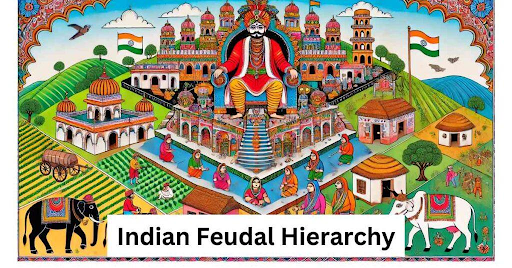
rise of feudal tendencies

The agrarian system of the Gupta period shows early signs of feudalism, which became more prominent in later centuries.

Key Features

  • Land grants were given in exchange for services or loyalty (especially to Brahmins and officials)
  • Peasants became increasingly dependent on landlords rather than the central authority
  • Local powers grew stronger, while the king’s direct control weakened

Consequences

  • This led to the gradual decentralization of power
  • The system slowly weakened the central administration of the empire
  • It laid the foundation for a more feudal structure in early medieval India

Enroll UGC NET Offline Coaching in Jaipur

Village Economy 

The Gupta agrarian economy was deeply rooted in village life, which functioned as the basic unit of production and society.

Features of Village Economy

  • Villages were largely self-sufficient units
  • They produced most of their own food and goods
  • There was limited dependence on urban centers or long-distance trade

Structure of Village Life

  • Villages included farmers, artisans, traders, and laborers
  • Essential goods like tools, clothes, and food were produced locally
  • This created a stable and sustainable rural economy

JRF Adda Book

Significance

  • Self-sufficiency ensured economic stability even during crises
  • It strengthened the rural foundation of the Gupta economy

The agrarian structure of the Gupta period was gradually changing. While villages remained self-sufficient and stable, the rise of intermediaries and feudal tendencies led to decentralization of power. This shift marked an important transition from a centralized system to a more localized, feudal economy.


Read UGC NET Notes
1 Archaeological Sources for UGC NET Epigraphy – Study of Inscriptions Meaning of Historical Sources Archaeological
2 Meaning of Historical Sources Archaeological Sources for UGC NET Literary Sources in History Archaeological
3 Exploration in Archaeology Excavation Techniques in Archaeology Dating of Archaeological Sites Archaeological
4 Excavation Techniques in Archaeology Exploration in Archaeology Dating of Archaeological Sites Archaeological
5 Epigraphy – Study of Inscriptions Inscriptions in Reconstructing History Numismatics in History Archaeological
6 Inscriptions in Reconstructing History Epigraphy – Study of Inscriptions Archaeological Sources for UGC NET Archaeological
7 Numismatics in History Importance of Coins in History Epigraphy – Study of Inscriptions Archaeological
8 Importance of Coins in History Numismatics in History Archaeological Sources for UGC NET Archaeological
9 Dating of Archaeological Sites Excavation Techniques in Archaeology Dating Ancient Literary Sources Archaeological
10 Indigenous Literature Literary Sources in History Secular Literature as Historical Source Literary
11 Dating Ancient Literary Sources Literary Sources in History Dating of Archaeological Sites Literary
12 Literary Sources in History Indigenous Literature Foreign Accounts of India Literary
13 Foreign Accounts of India Greek Accounts on Ancient India Chinese Accounts on India Literary
14 Greek Accounts on Ancient India Foreign Accounts of India Chinese Accounts on India Literary
15 Secular Literature as Historical Source Literary Sources in History Indigenous Literature Literary
16 Role of Myths and Legends in Historical Reconstruction Literary Sources in History Secular Literature as Historical Source Literary
17 Chinese Accounts on India Foreign Accounts of India Greek Accounts on Ancient India Literary
18 Arabic Accounts on India Foreign Accounts of India Chinese Accounts on India Literary
19 Neolithic and Chalcolithic Phases Neolithic Revolution in India Chalcolithic Culture in India Neolithic
20 Hunting, Gathering & Food Production Neolithic Revolution in India Neolithic Settlements in India Neolithic
21 Neolithic Revolution in India Neolithic Settlements in India Tools and Technology in Neolithic Period Neolithic
22 Neolithic Settlements in India Distribution of Neolithic Cultures in India Neolithic Revolution in India Neolithic
23 Distribution of Neolithic Cultures in India Neolithic Settlements in India Tools and Technology in Neolithic Period Neolithic
24 Tools and Technology in Neolithic Period Neolithic Revolution in India Chalcolithic Culture in India Neolithic
25 Chalcolithic Culture in India Settlement Pattern & Economy in Chalcolithic Phase Trade & Exchange Networks in Chalcolithic Societies Neolithic
26 Settlement Pattern & Economy – Chalcolithic Phase Chalcolithic Culture in India Trade & Exchange Networks in Chalcolithic Societies Neolithic
27 Trade & Exchange Networks – Chalcolithic Societies Chalcolithic Culture in India IVC Internal & External Trade Neolithic
28 Indus Valley Civilization – UGC NET Major Sites of Indus Civilization Urban Planning in Harappan Civilization IVC
29 IVC Internal & External Trade Internal Trade – Harappan Civilization Craft Specialization in Harappan Civilization IVC
30 Political Organization – Harappan Civilization Social Structure – Indus Civilization Urban Planning in Harappan Civilization IVC
31 Major Sites of Indus Civilization Indus Valley Civilization – UGC NET Urban Planning in Harappan Civilization IVC
32 Urban Planning & Settlement – Harappan Civilization Architecture & Town Planning – Harappan Cities IVC as First Urbanization in India IVC
33 Architecture & Town Planning – Harappan Cities Urban Planning in Harappan Civilization Major Sites of Indus Civilization IVC
34 Craft Specialization & Industrial Activities – Harappan Agriculture & Food Economy – Harappans IVC Internal & External Trade IVC
35 Agriculture & Food Economy – Harappans Craft Specialization in Harappan Civilization Internal Trade – Harappan Civilization IVC
36 Internal Trade – Harappan Civilization IVC Internal & External Trade Craft Specialization in Harappan Civilization IVC
37 Religion & Beliefs – Indus Civilization Social Structure – Indus Civilization Indus Valley Civilization – UGC NET IVC
38 Social Structure – Indus Civilization Political Organization – Harappan Civilization Religion & Beliefs – Indus Civilization IVC
39 Decline of Indus Civilization Indus Valley Civilization – UGC NET IVC as First Urbanization in India IVC
40 IVC as First Urbanization in India Urban Planning in Harappan Civilization Second Urbanization in India IVC
41 Vedic & Later Vedic Periods – Aryan Varna System Early Vedic Society and Economy Later Vedic Society and Economy Vedic
42 Origin of Vedic Civilization Aryan Debate – Migration, Invasion & Indigenous Theories Early Vedic Society and Economy Vedic
43 Aryan Debate – Migration, Invasion & Indigenous Theories Origin of Vedic Civilization Early Vedic Society and Economy Vedic
44 Early Vedic Society and Economy Political Institutions – Early Vedic Period Social Structure – Early Vedic Period Vedic
45 Political Institutions – Early Vedic Period Early Vedic Society and Economy Monarchical States in Ancient India Vedic
46 Social Structure – Early Vedic Period Emergence of Varnas & Social Stratification Early Vedic Society and Economy Vedic
47 Later Vedic Society and Economy Emergence of Varnas & Social Stratification Impact of Iron Technology in India Vedic
48 Emergence of Varnas & Social Stratification Social Structure – Early Vedic Period Later Vedic Society and Economy Vedic
49 Emergence of Heterodox Sects in India Jainism, Buddhism & Ajivikas – Origins & Teachings Later Vedic Society and Economy Vedic
50 Impact of Iron Technology in India Later Vedic Society and Economy Agricultural Expansion & Economic Changes – Ancient India Vedic
51 Religious & Philosophical Vedic Ideas Emergence of Varnas & Social Stratification Emergence of Heterodox Sects in India Vedic
52 Megalithic Culture of South India Neolithic and Chalcolithic Phases Agricultural Expansion & Economic Changes General
53 State System in Ancient India Rise of Mahajanapadas Transition: Tribal Polities to Territorial States General
54 Transition: Tribal Polities to Territorial States Rise of Mahajanapadas Later Vedic Society and Economy General
55 Rise of Mahajanapadas Monarchical States in Ancient India Republican States (Gana-Sanghas) – Ancient India Magadha
56 Monarchical States in Ancient India Rise of Mahajanapadas Emergence of Magadha Magadha
57 Republican States (Gana-Sanghas) – Ancient India Rise of Mahajanapadas Monarchical States in Ancient India Magadha
58 Agricultural Expansion & Economic Changes – Ancient India Second Urbanization in India Impact of Iron Technology in India General
59 Second Urbanization in India IVC as First Urbanization in India Rise of Mahajanapadas General
60 Jainism, Buddhism & Ajivikas – Origins & Teachings Emergence of Heterodox Sects in India Ashoka’s Policy of Dhamma General
61 Emergence of Magadha Geographical Advantages of Magadha Early Rulers of Magadha Magadha
62 Geographical Advantages of Magadha Natural Resources & Economic Strength of Magadha Reasons for Success of Magadha Magadha
63 Natural Resources & Economic Strength of Magadha Geographical Advantages of Magadha Economic Policies of the Nandas Magadha
64 Early Rulers of Magadha Haryanka Dynasty – Rise of Magadha Emergence of Magadha Magadha
65 Haryanka Dynasty – Rise of Magadha Expansion Policy of Bimbisara Early Rulers of Magadha Magadha
66 Expansion Policy of Bimbisara Ajatashatru – Military Reforms Haryanka Dynasty – Rise of Magadha Magadha
67 Ajatashatru – Military Reforms Wars of Ajatashatru Expansion Policy of Bimbisara Magadha
68 Wars of Ajatashatru Ajatashatru – Military Reforms Udayin & Establishment of Pataliputra Magadha
69 Udayin & Establishment of Pataliputra Wars of Ajatashatru Shishunaga Dynasty Magadha
70 Shishunaga Dynasty Administrative Structure of the Shishunagas Nanda Dynasty Magadha
71 Administrative Structure of the Shishunagas Shishunaga Dynasty Central Administration Under Mauryas Magadha
72 Nanda Dynasty Mahapadma Nanda – Imperial Expansion Shishunaga Dynasty Magadha
73 Mahapadma Nanda – Imperial Expansion Military Strength of the Nandas Nanda Dynasty Magadha
74 Economic Policies of the Nandas Nanda Dynasty Taxation System – Mauryan State Magadha
75 Military Strength of the Nandas Mahapadma Nanda – Imperial Expansion Defeat of Nandas & Rise of Mauryan Empire Magadha
76 Reasons for Success of Magadha Geographical Advantages of Magadha Natural Resources & Economic Strength of Magadha Magadha
77 Mahajanapadas to Empire – Evolution & Rise of Magadha Rise of Mahajanapadas Emergence of Magadha Magadha
78 Mauryan Empire – Expansion Rise of Chandragupta Maurya Expansion of Mauryan Empire Maurya
79 Rise of Chandragupta Maurya Role of Chanakya in Rise of Mauryan Empire Defeat of Nandas & Rise of Mauryan Empire Maurya
80 Role of Chanakya in Rise of Mauryan Empire Rise of Chandragupta Maurya Defeat of Nandas & Rise of Mauryan Empire Maurya
81 Defeat of Nandas & Rise of Mauryan Empire Military Strength of the Nandas Rise of Chandragupta Maurya Maurya
82 Chandragupta Maurya – Seleucus Treaty & Diplomacy Expansion of Mauryan Empire Greek Accounts on Ancient India Maurya
83 Expansion of Mauryan Empire Chandragupta Maurya – Seleucus Treaty & Diplomacy Kalinga War Maurya
84 Administration of Chandragupta Maurya Central Administration Under Mauryas Mauryan Bureaucracy Maurya
85 Sources for Mauryan History Archaeological Sources for UGC NET Greek Accounts on Ancient India Maurya
86 Central Administration Under Mauryas Provincial Administration – Mauryan Empire Mauryan Bureaucracy Maurya
87 Provincial Administration – Mauryan Empire Local Administration – Mauryan Empire Central Administration Under Mauryas Maurya
88 Local Administration – Mauryan Empire Provincial Administration – Mauryan Empire Mauryan Bureaucracy Maurya
89 Mauryan Bureaucracy Central Administration Under Mauryas Espionage System – Mauryan Empire Maurya
90 Espionage System – Mauryan Empire Mauryan Bureaucracy Central Administration Under Mauryas Maurya
91 Ancient India – Trade and Commerce Trade and Commerce Under Mauryas Agrarian Economy – Mauryan Period Maurya
92 Agrarian Economy – Mauryan Period Taxation System – Mauryan State Trade and Commerce Under Mauryas Maurya
93 Trade and Commerce Under Mauryas Ancient India – Trade and Commerce Agrarian Economy – Mauryan Period Maurya
94 Taxation System – Mauryan State Agrarian Economy – Mauryan Period Economic Policies of the Nandas Maurya
95 Kalinga War Ashoka’s Policy of Dhamma Expansion of Mauryan Empire Maurya
96 Ashoka’s Policy of Dhamma Nature & Philosophy of Dhamma Kalinga War Maurya
97 Nature & Philosophy of Dhamma Ashoka’s Policy of Dhamma Jainism, Buddhism & Ajivikas Maurya

Agrarian Economy of Gupta Age FAQs

Loader image

Land ownership was mixed in nature. It included royal land, private land, donated land.
This system showed economic, political importance of land.

Land grants were gifts given by kings.They were given to Brahmins, temples, officials.
It helped in gaining loyalty, religious merit.

Brahmadeya was land granted to Brahmins. It gave them economic, social power in villages.
It increased their influence in society.

Peasants were backbone of the economy.They produced food, paid taxes to state.Their surplus supported administration, trade.

Leave a Reply

Recent Posts
Aditi

Aditi Sharma, founder of JRFAdda, is a Computer Science educator with an MCA degree and JRF qualification (99.91 percentile, Dec 2019). Her experience includes roles as an SBI SO (DBA), work at Cognizant, and over 5 years of teaching online and offline. She has also served as a Government Computer Teacher in Rajasthan.