
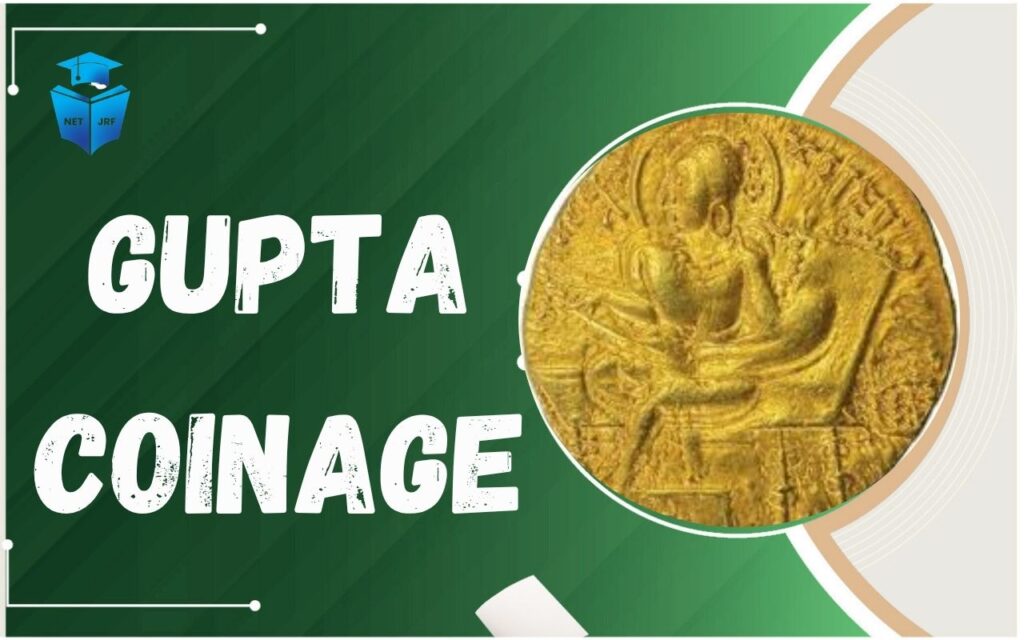
Gupta coinage is one of the most important sources to understand the history of the Gupta period. It gives us clear information about economy, religion, politics, and art of that time. When we study Gupta coinage, we see not just money, but also powerful messages about kingship and culture.
Enroll UGC NET Foundation Course
The Gupta rulers issued beautiful coins, mostly made of gold, which show their strength, achievements, and beliefs.

Introduction to Gupta Coinage
The term Gupta coinage refers to coins issued by Gupta rulers between the 4th and 6th century CE. These coins are famous for their fine quality, artistic design, and variety.Unlike earlier periods, the Gupta coinage mainly used gold coins, which shows the prosperity of the empire. These coins also give us details about kings like Samudragupta and Chandragupta II.
Gupta coinage Historical Background
The development of Gupta coinage started with the rise of the Gupta Empire. This period is often called the Golden Age of India.
- Expansion of trade and economy
- Strong political control
- Cultural growth
These factors helped in the growth of Gupta coinage.
Earlier Coin Traditions
Before the Guptas, coins were issued by Indo-Greeks, Kushanas, and Satavahanas. The Gupta coinage followed some of these traditions but also introduced new styles.
- Use of gold from Kushanas
- Indian symbols and themes
- Better artistic quality
This shows how Gupta coinage developed over time.
Key Characteristics of Gupta Coinage
The coinage of the Gupta period is considered one of the finest in ancient Indian history. These coins are not just currency but also valuable historical sources that provide insights into the economy, art, religion, and political power of the time.
Gold Coins (Dinars)
- The Guptas issued a large number of gold coins, commonly known as dinars.
- These coins indicate the economic prosperity and strong trade networks of the empire.
The abundance of gold coins reflects a flourishing economy.
High Artistic Quality
- Gupta coins are famous for their excellent craftsmanship and artistic beauty.
- The designs are detailed, well-proportioned, and carefully engraved.
They represent the advanced level of art and skill during this period.
Detailed Images of Kings
- Many coins depict kings in various poses, such as:
- Performing rituals
- Hunting
- Playing musical instruments
These images highlight the power, achievements, and personality of rulers.
Religious Symbols
- Coins often include religious symbols and deities, such as Lakshmi or Garuda.
- This reflects the religious beliefs and patronage of Hinduism by Gupta rulers.
It shows the close connection between politics and religion.These features make Gupta coinage an important historical source.
Types of Gupta Coinage
The Gupta coinage includes many types based on designs and themes.
Archer Type
- King holding a bow
- Symbol of military strength
Tiger Slayer Type
- King killing a tiger
- Shows bravery and power
Lyrist Type
- King playing a musical instrument
- Reflects cultural interest
Ashvamedha Type
- Horse sacrifice scene
- Indicates royal power and rituals
These examples highlight the richness of Gupta coinage.
Best UGC NET Foundation Batch Online
Metal Used in Gupta Coinage
The Gupta coinage is especially known for its use of high-quality metals, which reflects the economic strength and prosperity of the empire.
Types of Metals
- Gold Coins (Dinars):
The most prominent coins were gold dinars, widely issued by Gupta rulers. These indicate wealth, stability, and active trade. - Silver Coins:
Silver coins appeared mainly in the later Gupta period, especially in regions influenced by earlier Western Kshatrapa traditions. - Copper Coins:
Copper coins were rarely used, suggesting that everyday small transactions were often conducted through barter or other means.
Overall, the dominance of gold shows a strong and flourishing economy.This metal usage reflects the strength of Gupta coinage.

Artistic Excellence
Gupta coins are widely regarded as some of the most artistically refined coins in Indian history.
Artistic Features
- Detailed Human Figures:
Coins often show kings in lifelike poses, performing activities like rituals or playing instruments. - Fine Engraving:
The designs are intricate and precise, showing high craftsmanship. - Balanced Design:
The layout of images and inscriptions is well-proportioned and aesthetically pleasing.
These features reflect the advanced artistic skills and cultural richness of the Gupta age.
Religious Influence in Gupta Coinage
Religion had a deep influence on Gupta coinage, making coins not just a medium of exchange but also a reflection of the spiritual and cultural life of the time. Gupta rulers often used coins to express their religious beliefs and legitimacy.
Goddess Lakshmi
- Many Gupta coins feature Goddess Lakshmi, the deity of wealth and prosperity.
- She is often shown seated on a lotus, symbolizing purity and abundance.
This reflects the desire of rulers to associate their reign with prosperity and divine blessings.
Garuda – Symbol of Vishnu
- The Garuda, the vehicle of Lord Vishnu, appears frequently on Gupta coins.
- It was also used as a royal emblem by several Gupta rulers.
This shows the strong influence of Vaishnavism and the rulers’ connection with Lord Vishnu.
Ashvamedha Ritual Scenes
- Some coins depict the Ashvamedha sacrifice, an important Vedic ritual performed by powerful kings.
- These coins often show a sacrificial horse tied near a post.
These symbols show the religious nature of Gupta coinage.
Political Significance
Gupta coins were not just used for economic purposes they also served as a powerful political tool. Through their designs and symbols, Gupta rulers communicated their authority, achievements, and royal image to the people.
Political Messages in Gupta Coinage
Coins often show kings in strong and heroic poses, such as holding weapons or performing rituals.
- These images highlight the ruler’s strength, bravery, and authority.
It helped reinforce the idea of the king as a powerful and capable leader.
Representation of Victories
- Some coins celebrate military successes and conquests.
- For example, hunting scenes or warrior poses symbolize victory over enemies.
This acted as a reminder of the king’s military achievements and dominance.
Promotion of Royal Image
- Coins projected the king as:
- A warrior
- A protector of dharma
- A divinely favored ruler
This helped in building a strong and positive royal image among subjects.
Join UGC NET Offline Coaching in Jaipur
Gupta Coinage as a Tool of Propaganda
Gupta coinage worked like an early form of political propaganda.Since coins circulated widely, they spread the king’s message across the empire.
In this way, coins became a medium of communication between the ruler and the people.
Economic Importance
The large number of gold coins (dinars) indicates a rich and prosperous economy.It suggests access to gold through trade, tributes, or internal resources.This reflects the financial strength and stability of the empire.
Active Trade Networks
- The circulation of high-value coins points to flourishing internal and external trade.
- Gupta India maintained trade links with regions like Central Asia and the Roman world (earlier influence).
Coins acted as a medium that supported commercial activities and market exchange.
Decline of Gupta Coinage
Earlier, Gupta rulers issued abundant high-quality gold coins, but over time the availability of gold reduced.This may have been due to decline in trade and reduced inflow of precious metals.
Political Instability
- The later Gupta period witnessed frequent invasions and internal conflicts.
- Stability weakened, affecting economic activities and minting of coins.
Political uncertainty directly impacted monetary strength.
Weak Rulers
- After strong rulers, later kings were less powerful and effective.
- They could not maintain the same level of administrative and economic control.
This led to a decline in state authority and coin production.
Impact of Decline
Reduction in gold coin circulation
- Increase in inferior quality coins
- Shift towards a more localized and less monetized economy
These changes indicate the gradual weakening of the Gupta Empire.
Role of Inscriptions
Inscriptions on Gupta coins are an important historical source. They provide direct and reliable information about the rulers and their ideology.
Details Found in Inscriptions
- Names of Kings: Coins mention rulers like Samudragupta or Chandragupta, helping in identification.
- Titles of Rulers: Grand titles such as Maharajadhiraja reflect their power and status.
- Religious Beliefs: References to deities and symbols show the religious inclination of rulers.
These inscriptions greatly increase the historical value of Gupta coinage.
Cultural Significance
Gupta coins act as a mirror of the cultural life of the period, reflecting various aspects of society.
Cultural Aspects Reflected
- Music and Art: Coins like the lyrist type show kings playing musical instruments, indicating love for arts.
- Religious Practices: Depictions of rituals and deities highlight spiritual life.
- Social Values: The imagery reflects ideals like power, prosperity, and devotion.
Thus, coins help us understand the rich cultural environment of the Gupta age.
Top UGC NET Coaching in Jaipur
Long Term Impact
The Gupta coinage had a lasting influence on Indian monetary and artistic traditions.
Impact on Later Periods
- Inspired Future Rulers: Later dynasties adopted similar styles and themes.
- Set Artistic Standards: The high-quality designs became a benchmark for coin-making.
- Spread Cultural Symbols: Religious and royal symbols continued in later coinage.
This shows that Gupta coinage had a long-lasting legacy in Indian history.This shows the lasting importance of Gupta coinage.
The Gupta coinage is not just about currency, but a rich historical source that explains the economy, culture, and politics of the Gupta period. It shows the strength of rulers, artistic excellence, and religious beliefs of that time.

Gupta coinage FAQs

2. Why is Gupta coinage important for history?
Coins give direct evidence of rulers, economy.They show religion, political ideas of kings.
They act as reliable historical sources.
3. What were Gupta gold coins called?
Gupta gold coins were called dinars.They were made of high-quality gold.They show economic prosperity of empire.
4. What are the main types of Gupta coins?
Archer type shows king with bow.Lyrist type shows king playing instrument.Ashvamedha type shows horse sacrifice ritual.
5. What metals were used in Gupta coinage?
Gold was most commonly used metal. Silver coins appeared in later period.Copper coins were used very rarely.
6. How do Gupta coins show religious influence?
Coins show Goddess Lakshmi, Garuda symbols. They reflect Vaishnavism influence of rulers.Religious rituals like Ashvamedha appear.
7. What political messages were given through coins?
Coins show kings in powerful poses.They highlight victories, strength of rulers.They act as political propaganda tools.
8. What does Gupta coinage tell about economy?
Large number of gold coins shows prosperity.It indicates strong trade networks.Economy was stable, wealthy during early period.