
Satavahana Coinage Materials Symbols and Economic Importance

Satavahana Coinage in this topic you learn how coins were made using different materials symbols language and how they reflect trade economy political authority cultural life and role of rulers in shaping Deccan economy

vishal

Satavahana Coinage

Table of Contents

Satavahana coinage is one of the most important topics to understand the economy, trade, and culture of post-Mauryan India. It gives us a clear picture of how rulers managed money, controlled trade, and showed their power through symbols. The Satavahana dynasty ruled large parts of Deccan India roughly between 1st century BCE to 3rd century CE. Their coins are found in Maharashtra, Andhra Pradesh, Telangana, and nearby regions. These coins help historians understand political authority, economic growth, and cultural exchange during that period.


Enroll UGC NET Online Coaching

Study Planner

Understanding Satavahana Coinage

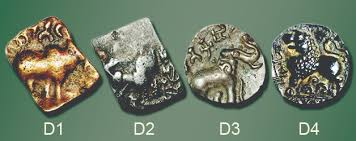
Satavahana coinage refers to the system of coins issued by Satavahana rulers for trade, taxation, and administration. These coins were made using different metals like lead, copper, and sometimes silver. The use of local materials shows regional adaptation.
Satavahana Coinage

Key Features of Satavahana Coins

  • Mostly made of lead, which was easily available in Deccan
  • Some coins made of copper and potin (mixed metal)
  • Rare use of silver coins
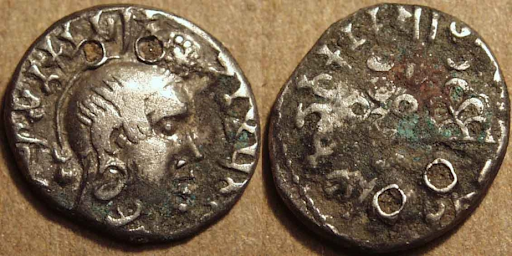
  • Coins often had symbols instead of detailed portraits
  • Use of Prakrit language in Brahmi script
  • Names of rulers mentioned in many coins

These features make Satavahana coinage unique compared to northern Indian coin systems.
Satavahana Coins

Satavahana Coin Production Materials Used 

Satavahana rulers used locally available metals, which made their coin system different from other dynasties.

Types of Metals

Metal Type Usage Importance
Lead Most common Easy availability in Deccan
Copper Widely used Durable for daily trade
Silver Limited use High-value transactions
Potin Mixed alloy Cost-effective production

Explanation

Lead coins were heavy but easy to produce. Copper coins were more practical for daily use. Silver coins were less common, which shows that Satavahana economy depended more on regional trade rather than long-distance luxury exchange.

Enroll UGC NET Online Course

Satavahana Symbols and Designs on Coins

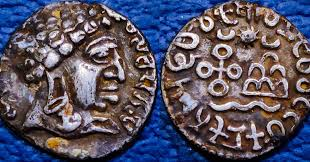
One of the most interesting parts of Satavahana coinage is the use of symbols. Instead of human portraits, these coins mostly used symbolic designs.

Common Symbols

  • Ujjain symbol (cross with circles)
  • Ship symbol (shows maritime trade)
  • Elephant and horse
  • Chaitya (Buddhist structure)
  • Tree-in-railing

Meaning of Symbols

These symbols were not random. They represented:

  • Religious beliefs (Buddhism influence)
  • Political authority
  • Trade connections
  • Cultural identity

For example, the ship symbol shows strong trade links with foreign regions like Rome.
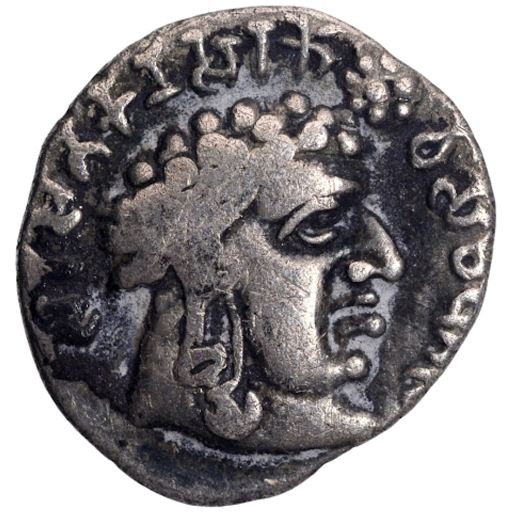
Symbols

Satavahana Language and Script on Coins

Satavahana coins used Prakrit language written in Brahmi script. This shows that rulers wanted their coins to be understood by common people.

Important Observations

  • Names of kings were written clearly
  • Titles like “Rano” (King) were used
  • Regional variations existed

This aspect of Satavahana coinage helps historians identify rulers and their territories.

App JRF Adda

Satavahana Role of Rulers in Coinage

Satavahana rulers played a key role in issuing coins. Each ruler had slightly different styles, which helps historians track their reign.

Important Rulers

  • Gautamiputra Satakarni
  • Vashishtiputra Pulumavi
  • Yajna Sri Satakarni

Coinage

Contributions

  • Standardization of coin system
  • Expansion of trade networks
  • Use of symbols to show power

Coins of Gautamiputra Satakarni are especially important because they reflect his strong rule and victories.

Enroll UGC NET Coaching in Jaipur

Satavahana Coins Economic Importance

Satavahana coinage played a major role in economic development. It helped in smooth trade and taxation.

Key Economic Functions

  1. Medium of exchange
  2. Store of value
  3. Tool for tax collection
  4. Indicator of trade routes

Trade and Commerce

  • Active trade with Roman Empire
  • Inland trade across Deccan
  • Use of ports for maritime trade

Coins found in coastal areas prove strong trade activity.

Satavahana Regional Variations in Coins

Satavahana coinage shows different patterns in different regions.

Variations

  • Western Deccan: More lead coins
  • Eastern regions: More copper coins
  • Coastal areas: Trade-related symbols

This variation shows flexibility in administration.

Satavahana Religious Influence on Coinage

Religion played a strong role in shaping Satavahana coins.

Evidence

  • Buddhist symbols like chaitya
  • Tree-in-railing symbol
  • Lack of aggressive war imagery

This shows that rulers supported peaceful and religious values.

Satavahana Coins Comparison with Other Dynasties

Satavahana coinage can be compared with other dynasties to understand differences.

Feature Satavahana Indo-Greek Kushana
Metal Lead dominant Silver Gold
Design Symbols Portraits Detailed images
Language Prakrit Greek Bactrian
Focus Regional trade International Empire power

Satavahana Coins Archaeological Importance

Coins are one of the most reliable historical sources.

Why Important?

  • Provide Exact Ruler Names
    Many coins carry the names of kings, such as Gautamiputra Satakarni, which helps historians identify rulers and their reigns accurately.
  • Help in Dating Events
    By linking coins to specific rulers, historians can date events, inscriptions, and other historical developments, creating a reliable chronological framework.
  • Show Economic Condition
    The materials (lead, copper, silver) and circulation of coins reflect economic prosperity, trade activity, and the wealth of the empire.
  • Reveal Trade Links
    The presence of Satavahana coins in distant regions, including Roman territories, indicates long-distance trade networks and cultural exchange.
  • Reconstruction of History
    Large coin hoards discovered across India provide insights into political authority, economic organization, and the reach of the Satavahana Empire, making coins an essential tool for historical research.
  • Many Satavahana coins have been found in hoards, which helps historians reconstruct history.

JRF Adda Book

Challenges in Studying Coinage

Even though coins are useful, they have some limitations.

Problems

  • Damage and Wear
    Many coins are worn out or damaged, making it difficult to read inscriptions or identify the ruler clearly.
  • Difficult-to-Interpret Symbols
    Some coins carry symbols or motifs whose meanings are unclear, posing challenges for historians trying to reconstruct cultural or political details.
  • Regional Differences
    Coins varied across regions in terms of design, inscriptions, and metal, which can create confusion when linking them to specific rulers or events.
  • Despite Limitations
    Even with these challenges, Satavahana coins remain one of the most reliable and widely used sources for understanding the dynasty’s rulers, economy, trade, and political history.

Satavahana coinage gives us a deep insight into the political strength, economic system, and cultural values of the Satavahana dynasty. It shows how rulers used simple materials, meaningful symbols, and local language to manage a strong regional economy.

Enroll UGC NET Offline Coaching in Jaipur

Read UGC NET Notes
1 Archaeological Sources for UGC NET Epigraphy – Study of Inscriptions Meaning of Historical Sources Archaeological
2 Meaning of Historical Sources Archaeological Sources for UGC NET Literary Sources in History Archaeological
3 Exploration in Archaeology Excavation Techniques in Archaeology Dating of Archaeological Sites Archaeological
4 Excavation Techniques in Archaeology Exploration in Archaeology Dating of Archaeological Sites Archaeological
5 Epigraphy – Study of Inscriptions Inscriptions in Reconstructing History Numismatics in History Archaeological
6 Inscriptions in Reconstructing History Epigraphy – Study of Inscriptions Archaeological Sources for UGC NET Archaeological
7 Numismatics in History Importance of Coins in History Epigraphy – Study of Inscriptions Archaeological
8 Importance of Coins in History Numismatics in History Archaeological Sources for UGC NET Archaeological
9 Dating of Archaeological Sites Excavation Techniques in Archaeology Dating Ancient Literary Sources Archaeological
10 Indigenous Literature Literary Sources in History Secular Literature as Historical Source Literary
11 Dating Ancient Literary Sources Literary Sources in History Dating of Archaeological Sites Literary
12 Literary Sources in History Indigenous Literature Foreign Accounts of India Literary
13 Foreign Accounts of India Greek Accounts on Ancient India Chinese Accounts on India Literary
14 Greek Accounts on Ancient India Foreign Accounts of India Chinese Accounts on India Literary
15 Secular Literature as Historical Source Literary Sources in History Indigenous Literature Literary
16 Role of Myths and Legends in Historical Reconstruction Literary Sources in History Secular Literature as Historical Source Literary
17 Chinese Accounts on India Foreign Accounts of India Greek Accounts on Ancient India Literary
18 Arabic Accounts on India Foreign Accounts of India Chinese Accounts on India Literary
19 Neolithic and Chalcolithic Phases Neolithic Revolution in India Chalcolithic Culture in India Neolithic
20 Hunting, Gathering & Food Production Neolithic Revolution in India Neolithic Settlements in India Neolithic
21 Neolithic Revolution in India Neolithic Settlements in India Tools and Technology in Neolithic Period Neolithic
22 Neolithic Settlements in India Distribution of Neolithic Cultures in India Neolithic Revolution in India Neolithic
23 Distribution of Neolithic Cultures in India Neolithic Settlements in India Tools and Technology in Neolithic Period Neolithic
24 Tools and Technology in Neolithic Period Neolithic Revolution in India Chalcolithic Culture in India Neolithic
25 Chalcolithic Culture in India Settlement Pattern & Economy in Chalcolithic Phase Trade & Exchange Networks in Chalcolithic Societies Neolithic
26 Settlement Pattern & Economy – Chalcolithic Phase Chalcolithic Culture in India Trade & Exchange Networks in Chalcolithic Societies Neolithic
27 Trade & Exchange Networks – Chalcolithic Societies Chalcolithic Culture in India IVC Internal & External Trade Neolithic
28 Indus Valley Civilization – UGC NET Major Sites of Indus Civilization Urban Planning in Harappan Civilization IVC
29 IVC Internal & External Trade Internal Trade – Harappan Civilization Craft Specialization in Harappan Civilization IVC
30 Political Organization – Harappan Civilization Social Structure – Indus Civilization Urban Planning in Harappan Civilization IVC
31 Major Sites of Indus Civilization Indus Valley Civilization – UGC NET Urban Planning in Harappan Civilization IVC
32 Urban Planning & Settlement – Harappan Civilization Architecture & Town Planning – Harappan Cities IVC as First Urbanization in India IVC
33 Architecture & Town Planning – Harappan Cities Urban Planning in Harappan Civilization Major Sites of Indus Civilization IVC
34 Craft Specialization & Industrial Activities – Harappan Agriculture & Food Economy – Harappans IVC Internal & External Trade IVC
35 Agriculture & Food Economy – Harappans Craft Specialization in Harappan Civilization Internal Trade – Harappan Civilization IVC
36 Internal Trade – Harappan Civilization IVC Internal & External Trade Craft Specialization in Harappan Civilization IVC
37 Religion & Beliefs – Indus Civilization Social Structure – Indus Civilization Indus Valley Civilization – UGC NET IVC
38 Social Structure – Indus Civilization Political Organization – Harappan Civilization Religion & Beliefs – Indus Civilization IVC
39 Decline of Indus Civilization Indus Valley Civilization – UGC NET IVC as First Urbanization in India IVC
40 IVC as First Urbanization in India Urban Planning in Harappan Civilization Second Urbanization in India IVC
41 Vedic & Later Vedic Periods – Aryan Varna System Early Vedic Society and Economy Later Vedic Society and Economy Vedic
42 Origin of Vedic Civilization Aryan Debate – Migration, Invasion & Indigenous Theories Early Vedic Society and Economy Vedic
43 Aryan Debate – Migration, Invasion & Indigenous Theories Origin of Vedic Civilization Early Vedic Society and Economy Vedic
44 Early Vedic Society and Economy Political Institutions – Early Vedic Period Social Structure – Early Vedic Period Vedic
45 Political Institutions – Early Vedic Period Early Vedic Society and Economy Monarchical States in Ancient India Vedic
46 Social Structure – Early Vedic Period Emergence of Varnas & Social Stratification Early Vedic Society and Economy Vedic
47 Later Vedic Society and Economy Emergence of Varnas & Social Stratification Impact of Iron Technology in India Vedic
48 Emergence of Varnas & Social Stratification Social Structure – Early Vedic Period Later Vedic Society and Economy Vedic
49 Emergence of Heterodox Sects in India Jainism, Buddhism & Ajivikas – Origins & Teachings Later Vedic Society and Economy Vedic
50 Impact of Iron Technology in India Later Vedic Society and Economy Agricultural Expansion & Economic Changes – Ancient India Vedic
51 Religious & Philosophical Vedic Ideas Emergence of Varnas & Social Stratification Emergence of Heterodox Sects in India Vedic
52 Megalithic Culture of South India Neolithic and Chalcolithic Phases Agricultural Expansion & Economic Changes General
53 State System in Ancient India Rise of Mahajanapadas Transition: Tribal Polities to Territorial States General
54 Transition: Tribal Polities to Territorial States Rise of Mahajanapadas Later Vedic Society and Economy General
55 Rise of Mahajanapadas Monarchical States in Ancient India Republican States (Gana-Sanghas) – Ancient India Magadha
56 Monarchical States in Ancient India Rise of Mahajanapadas Emergence of Magadha Magadha
57 Republican States (Gana-Sanghas) – Ancient India Rise of Mahajanapadas Monarchical States in Ancient India Magadha
58 Agricultural Expansion & Economic Changes – Ancient India Second Urbanization in India Impact of Iron Technology in India General
59 Second Urbanization in India IVC as First Urbanization in India Rise of Mahajanapadas General
60 Jainism, Buddhism & Ajivikas – Origins & Teachings Emergence of Heterodox Sects in India Ashoka’s Policy of Dhamma General
61 Emergence of Magadha Geographical Advantages of Magadha Early Rulers of Magadha Magadha
62 Geographical Advantages of Magadha Natural Resources & Economic Strength of Magadha Reasons for Success of Magadha Magadha
63 Natural Resources & Economic Strength of Magadha Geographical Advantages of Magadha Economic Policies of the Nandas Magadha
64 Early Rulers of Magadha Haryanka Dynasty – Rise of Magadha Emergence of Magadha Magadha
65 Haryanka Dynasty – Rise of Magadha Expansion Policy of Bimbisara Early Rulers of Magadha Magadha
66 Expansion Policy of Bimbisara Ajatashatru – Military Reforms Haryanka Dynasty – Rise of Magadha Magadha
67 Ajatashatru – Military Reforms Wars of Ajatashatru Expansion Policy of Bimbisara Magadha
68 Wars of Ajatashatru Ajatashatru – Military Reforms Udayin & Establishment of Pataliputra Magadha
69 Udayin & Establishment of Pataliputra Wars of Ajatashatru Shishunaga Dynasty Magadha
70 Shishunaga Dynasty Administrative Structure of the Shishunagas Nanda Dynasty Magadha
71 Administrative Structure of the Shishunagas Shishunaga Dynasty Central Administration Under Mauryas Magadha
72 Nanda Dynasty Mahapadma Nanda – Imperial Expansion Shishunaga Dynasty Magadha
73 Mahapadma Nanda – Imperial Expansion Military Strength of the Nandas Nanda Dynasty Magadha
74 Economic Policies of the Nandas Nanda Dynasty Taxation System – Mauryan State Magadha
75 Military Strength of the Nandas Mahapadma Nanda – Imperial Expansion Defeat of Nandas & Rise of Mauryan Empire Magadha
76 Reasons for Success of Magadha Geographical Advantages of Magadha Natural Resources & Economic Strength of Magadha Magadha
77 Mahajanapadas to Empire – Evolution & Rise of Magadha Rise of Mahajanapadas Emergence of Magadha Magadha
78 Mauryan Empire – Expansion Rise of Chandragupta Maurya Expansion of Mauryan Empire Maurya
79 Rise of Chandragupta Maurya Role of Chanakya in Rise of Mauryan Empire Defeat of Nandas & Rise of Mauryan Empire Maurya
80 Role of Chanakya in Rise of Mauryan Empire Rise of Chandragupta Maurya Defeat of Nandas & Rise of Mauryan Empire Maurya
81 Defeat of Nandas & Rise of Mauryan Empire Military Strength of the Nandas Rise of Chandragupta Maurya Maurya
82 Chandragupta Maurya – Seleucus Treaty & Diplomacy Expansion of Mauryan Empire Greek Accounts on Ancient India Maurya
83 Expansion of Mauryan Empire Chandragupta Maurya – Seleucus Treaty & Diplomacy Kalinga War Maurya
84 Administration of Chandragupta Maurya Central Administration Under Mauryas Mauryan Bureaucracy Maurya
85 Sources for Mauryan History Archaeological Sources for UGC NET Greek Accounts on Ancient India Maurya
86 Central Administration Under Mauryas Provincial Administration – Mauryan Empire Mauryan Bureaucracy Maurya
87 Provincial Administration – Mauryan Empire Local Administration – Mauryan Empire Central Administration Under Mauryas Maurya
88 Local Administration – Mauryan Empire Provincial Administration – Mauryan Empire Mauryan Bureaucracy Maurya
89 Mauryan Bureaucracy Central Administration Under Mauryas Espionage System – Mauryan Empire Maurya
90 Espionage System – Mauryan Empire Mauryan Bureaucracy Central Administration Under Mauryas Maurya
91 Ancient India – Trade and Commerce Trade and Commerce Under Mauryas Agrarian Economy – Mauryan Period Maurya
92 Agrarian Economy – Mauryan Period Taxation System – Mauryan State Trade and Commerce Under Mauryas Maurya
93 Trade and Commerce Under Mauryas Ancient India – Trade and Commerce Agrarian Economy – Mauryan Period Maurya
94 Taxation System – Mauryan State Agrarian Economy – Mauryan Period Economic Policies of the Nandas Maurya
95 Kalinga War Ashoka’s Policy of Dhamma Expansion of Mauryan Empire Maurya
96 Ashoka’s Policy of Dhamma Nature & Philosophy of Dhamma Kalinga War Maurya
97 Nature & Philosophy of Dhamma Ashoka’s Policy of Dhamma Jainism, Buddhism & Ajivikas Maurya

Satavahana coinage FAQs

Loader image

Lead was the most commonly used metal because it was easily available in the Deccan region.

Symbols show religious beliefs, trade links, and political authority. They also help identify regions.

Most coins did not have portraits. They mainly used symbols instead of human images.

Prakrit language in Brahmi script was commonly used for inscriptions.

Leave a Reply

Recent Posts
Aditi

Aditi Sharma, founder of JRFAdda, is a Computer Science educator with an MCA degree and JRF qualification (99.91 percentile, Dec 2019). Her experience includes roles as an SBI SO (DBA), work at Cognizant, and over 5 years of teaching online and offline. She has also served as a Government Computer Teacher in Rajasthan.