

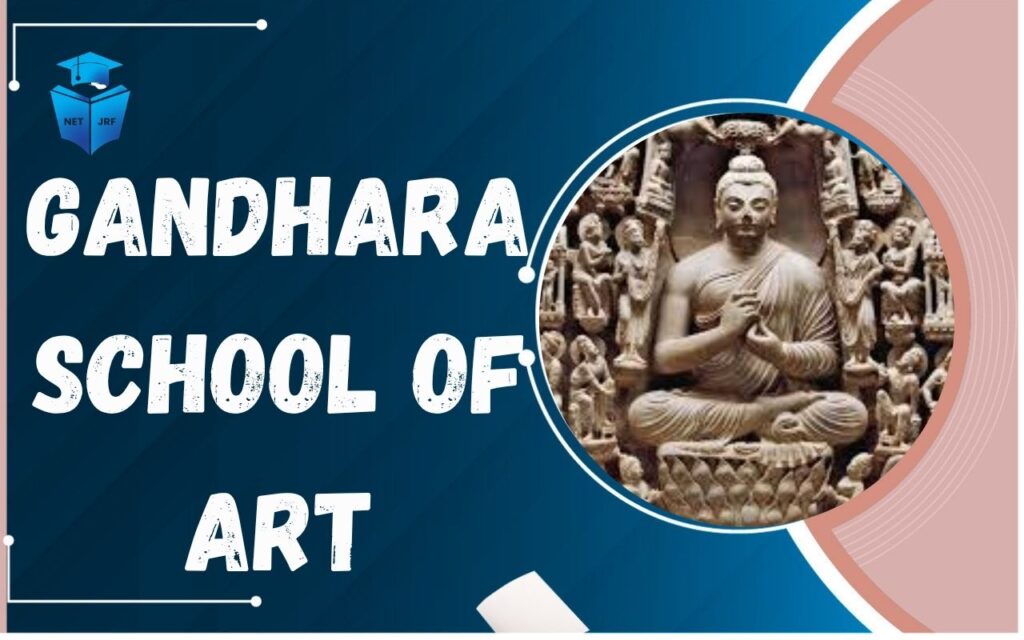
Gandhara School of Art: Features, Foreign Influence, and Role of Trade

Gandhara School of Art in this topic you learn how foreign cultures trade routes and Kushan patronage shaped Gandhara art through Buddha sculptures key features architecture themes comparison with Mathura art decline and legacy.

vishal

Gandhara School of Art Features

Table of Contents

Gandhara school of art is one of the most fascinating topics in ancient Indian history because it shows how different cultures came together to create something unique. This art style developed in the northwestern region of the Indian subcontinent and became famous for its realistic sculptures of Buddha.

Study Planner

When we study Gandhara school of art, we notice a strong mix of Indian spiritual ideas with Greek and Roman artistic techniques. 

Join UGC NET Online Coaching

Introduction to Gandhara Art Tradition

The Gandhara school of art developed in the ancient region of Gandhara, which included areas of present-day Pakistan and Afghanistan. Important centers like Taxila and Peshawar became major hubs of artistic activity.

This region was located on important trade routes, which allowed interaction between Indian, Greek, and Central Asian cultures. Because of this, the Gandhara school of art became a perfect example of cultural blending.
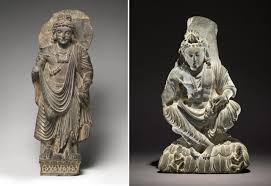
Gandhara Art Tradition

Historical Background of Gandhara Art

Kushan Period and Royal Patronage

The Gandhara school of art flourished mainly during the Kushan Empire between the 1st and 3rd century CE.

  • King Kanishka played a major role in promoting Buddhism
  • Artists received royal support
  • Buddhist monasteries became centers of art

This period is considered the golden phase of the Gandhara school of art because of strong political support and economic growth.

Influence of Foreign Cultures

One of the most striking features of the Gandhara school of art is its foreign influence.

  • Greek artists introduced realistic human figures
  • Roman styles influenced drapery and decoration
  • Persian elements appeared in design patterns

Because of these influences, the Gandhara school of art looks very different from other Indian art forms.
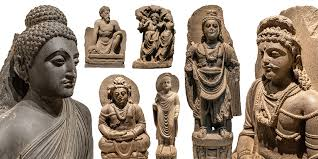
Gandhara school of art

Key Features of Gandhara Art

The Gandhara school of art has several unique features that make it easy to identify.

Material Used

Artists mainly used grey schist stone.

  • This stone allowed fine carving
  • It gave a smooth finish
  • It helped in creating detailed sculptures

The use of this material became a defining feature of the Gandhara school of art.
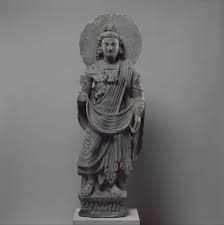
Key Features of Gandhara Art

Realistic Representation

  • Human body shown with proper proportion
  • Muscles and facial expressions clearly visible
  • Natural look instead of symbolic form

This realism clearly reflects the influence of Western art on the Gandhara school of art.

Best UGC NET Mock Test Series

Drapery Style

  • Clothes shown with deep folds
  • Style looks similar to Roman dress
  • Garments appear heavy and layered

This detailed drapery style is one of the most recognizable features of the Gandhara school of art.

Image of Buddha

One of the biggest contributions:

  • Buddha shown in human form
  • Calm face with spiritual expression
  • Wavy hair and halo around head

Earlier, Buddha was represented through symbols, but the Gandhara school of art introduced the human image.
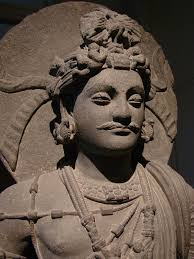
Image of Buddha

Gandhara school of art Overview 

The Gandhara School of Art flourished between the 1st century BCE and 5th century CE in the region that now covers northwestern Pakistan and eastern Afghanistan. It is one of the most important early artistic expressions of Buddhism and is famous for combining Indian and Greco-Roman artistic traditions.

Join UGC NET Offline Classes in Jaipur

Feature Description
Gandhara school of art Blend of Indian Greek Roman styles
Time Period 1st to 3rd century CE
Region Northwest India Pakistan Afghanistan
Material Grey schist stone
Main Theme Buddhism
Style Realistic human figures

App JRF Adda

Themes Depicted in Gandhara Art

The Gandhara school of art mainly focused on Buddhist themes.

Common Subjects

  • Life events of Buddha
  • Birth, enlightenment, and nirvana
  • Jataka stories showing past lives
  • Bodhisattvas as royal figures

These themes highlight the religious importance of the Gandhara school of art.

Important Sculptures and Figures

Buddha Sculptures

  • Standing Buddha with calm expression
  • Seated Buddha in meditation
  • Reclining Buddha showing nirvana

Bodhisattva Figures

  • Decorated with ornaments
  • Wearing crowns and jewelry
  • Represent compassion and help

These sculptures show the artistic excellence of the Gandhara school of art.

Comparison with Mathura School of Art

The Gandhara school of art is often compared with Mathura art to understand differences.

Key Differences

  1. Gandhara uses grey stone while Mathura uses red sandstone
  2. Gandhara shows foreign influence while Mathura shows Indian tradition
  3. Gandhara focuses on realism while Mathura focuses on symbolic style
  4. Gandhara Buddha has wavy hair while Mathura Buddha has simple hair

This comparison helps students clearly understand the identity of the Gandhara school of art.

Role of Trade and Cultural Interaction

Trade played a major role in shaping the Gandhara school of art.

How Trade Helped

  • Silk Route connected many regions
  • Traders brought new ideas and techniques
  • Artists learned from foreign styles

Because of this interaction, the Gandhara school of art became a global art style.

Architecture and Monasteries

The Gandhara school of art was not limited to sculptures.

Architectural Features

  • Buddhist monasteries called viharas
  • Stupas decorated with sculptures
  • Prayer halls with artistic carvings

These structures show how the Gandhara school of art influenced architecture as well.

Decline of Gandhara Art

The Gandhara school of art declined after the fall of the Kushan Empire.

Reasons for Decline

  • Weak political control
  • Decline in trade routes
  • Reduced support for Buddhist institutions

Even after decline, the Gandhara school of art continued to influence other regions.

Legacy and Influence

The Gandhara school of art left a strong legacy.

Long Term Impact

  • Spread of Buddha images across Asia
  • Influence on Central Asian and Chinese art
  • Development of Buddhist iconography

This lasting impact shows the importance of the Gandhara school of art in world history.

Best UGC NET Offline Classes in Jaipur

Conclusion

The Gandhara school of art represents a perfect example of cultural fusion in ancient India. It combined Indian religious ideas with Greek realism to create a new artistic tradition. This art form played a key role in shaping Buddhist imagery and spreading it across different regions.

JRF Adda Book

Read UGC NET Notes
1 Archaeological Sources for UGC NET Epigraphy – Study of Inscriptions Meaning of Historical Sources Archaeological
2 Meaning of Historical Sources Archaeological Sources for UGC NET Literary Sources in History Archaeological
3 Exploration in Archaeology Excavation Techniques in Archaeology Dating of Archaeological Sites Archaeological
4 Excavation Techniques in Archaeology Exploration in Archaeology Dating of Archaeological Sites Archaeological
5 Epigraphy – Study of Inscriptions Inscriptions in Reconstructing History Numismatics in History Archaeological
6 Inscriptions in Reconstructing History Epigraphy – Study of Inscriptions Archaeological Sources for UGC NET Archaeological
7 Numismatics in History Importance of Coins in History Epigraphy – Study of Inscriptions Archaeological
8 Importance of Coins in History Numismatics in History Archaeological Sources for UGC NET Archaeological
9 Dating of Archaeological Sites Excavation Techniques in Archaeology Dating Ancient Literary Sources Archaeological
10 Indigenous Literature Literary Sources in History Secular Literature as Historical Source Literary
11 Dating Ancient Literary Sources Literary Sources in History Dating of Archaeological Sites Literary
12 Literary Sources in History Indigenous Literature Foreign Accounts of India Literary
13 Foreign Accounts of India Greek Accounts on Ancient India Chinese Accounts on India Literary
14 Greek Accounts on Ancient India Foreign Accounts of India Chinese Accounts on India Literary
15 Secular Literature as Historical Source Literary Sources in History Indigenous Literature Literary
16 Role of Myths and Legends in Historical Reconstruction Literary Sources in History Secular Literature as Historical Source Literary
17 Chinese Accounts on India Foreign Accounts of India Greek Accounts on Ancient India Literary
18 Arabic Accounts on India Foreign Accounts of India Chinese Accounts on India Literary
19 Neolithic and Chalcolithic Phases Neolithic Revolution in India Chalcolithic Culture in India Neolithic
20 Hunting, Gathering & Food Production Neolithic Revolution in India Neolithic Settlements in India Neolithic
21 Neolithic Revolution in India Neolithic Settlements in India Tools and Technology in Neolithic Period Neolithic
22 Neolithic Settlements in India Distribution of Neolithic Cultures in India Neolithic Revolution in India Neolithic
23 Distribution of Neolithic Cultures in India Neolithic Settlements in India Tools and Technology in Neolithic Period Neolithic
24 Tools and Technology in Neolithic Period Neolithic Revolution in India Chalcolithic Culture in India Neolithic
25 Chalcolithic Culture in India Settlement Pattern & Economy in Chalcolithic Phase Trade & Exchange Networks in Chalcolithic Societies Neolithic
26 Settlement Pattern & Economy – Chalcolithic Phase Chalcolithic Culture in India Trade & Exchange Networks in Chalcolithic Societies Neolithic
27 Trade & Exchange Networks – Chalcolithic Societies Chalcolithic Culture in India IVC Internal & External Trade Neolithic
28 Indus Valley Civilization – UGC NET Major Sites of Indus Civilization Urban Planning in Harappan Civilization IVC
29 IVC Internal & External Trade Internal Trade – Harappan Civilization Craft Specialization in Harappan Civilization IVC
30 Political Organization – Harappan Civilization Social Structure – Indus Civilization Urban Planning in Harappan Civilization IVC
31 Major Sites of Indus Civilization Indus Valley Civilization – UGC NET Urban Planning in Harappan Civilization IVC
32 Urban Planning & Settlement – Harappan Civilization Architecture & Town Planning – Harappan Cities IVC as First Urbanization in India IVC
33 Architecture & Town Planning – Harappan Cities Urban Planning in Harappan Civilization Major Sites of Indus Civilization IVC
34 Craft Specialization & Industrial Activities – Harappan Agriculture & Food Economy – Harappans IVC Internal & External Trade IVC
35 Agriculture & Food Economy – Harappans Craft Specialization in Harappan Civilization Internal Trade – Harappan Civilization IVC
36 Internal Trade – Harappan Civilization IVC Internal & External Trade Craft Specialization in Harappan Civilization IVC
37 Religion & Beliefs – Indus Civilization Social Structure – Indus Civilization Indus Valley Civilization – UGC NET IVC
38 Social Structure – Indus Civilization Political Organization – Harappan Civilization Religion & Beliefs – Indus Civilization IVC
39 Decline of Indus Civilization Indus Valley Civilization – UGC NET IVC as First Urbanization in India IVC
40 IVC as First Urbanization in India Urban Planning in Harappan Civilization Second Urbanization in India IVC
41 Vedic & Later Vedic Periods – Aryan Varna System Early Vedic Society and Economy Later Vedic Society and Economy Vedic
42 Origin of Vedic Civilization Aryan Debate – Migration, Invasion & Indigenous Theories Early Vedic Society and Economy Vedic
43 Aryan Debate – Migration, Invasion & Indigenous Theories Origin of Vedic Civilization Early Vedic Society and Economy Vedic
44 Early Vedic Society and Economy Political Institutions – Early Vedic Period Social Structure – Early Vedic Period Vedic
45 Political Institutions – Early Vedic Period Early Vedic Society and Economy Monarchical States in Ancient India Vedic
46 Social Structure – Early Vedic Period Emergence of Varnas & Social Stratification Early Vedic Society and Economy Vedic
47 Later Vedic Society and Economy Emergence of Varnas & Social Stratification Impact of Iron Technology in India Vedic
48 Emergence of Varnas & Social Stratification Social Structure – Early Vedic Period Later Vedic Society and Economy Vedic
49 Emergence of Heterodox Sects in India Jainism, Buddhism & Ajivikas – Origins & Teachings Later Vedic Society and Economy Vedic
50 Impact of Iron Technology in India Later Vedic Society and Economy Agricultural Expansion & Economic Changes – Ancient India Vedic
51 Religious & Philosophical Vedic Ideas Emergence of Varnas & Social Stratification Emergence of Heterodox Sects in India Vedic
52 Megalithic Culture of South India Neolithic and Chalcolithic Phases Agricultural Expansion & Economic Changes General
53 State System in Ancient India Rise of Mahajanapadas Transition: Tribal Polities to Territorial States General
54 Transition: Tribal Polities to Territorial States Rise of Mahajanapadas Later Vedic Society and Economy General
55 Rise of Mahajanapadas Monarchical States in Ancient India Republican States (Gana-Sanghas) – Ancient India Magadha
56 Monarchical States in Ancient India Rise of Mahajanapadas Emergence of Magadha Magadha
57 Republican States (Gana-Sanghas) – Ancient India Rise of Mahajanapadas Monarchical States in Ancient India Magadha
58 Agricultural Expansion & Economic Changes – Ancient India Second Urbanization in India Impact of Iron Technology in India General
59 Second Urbanization in India IVC as First Urbanization in India Rise of Mahajanapadas General
60 Jainism, Buddhism & Ajivikas – Origins & Teachings Emergence of Heterodox Sects in India Ashoka’s Policy of Dhamma General
61 Emergence of Magadha Geographical Advantages of Magadha Early Rulers of Magadha Magadha
62 Geographical Advantages of Magadha Natural Resources & Economic Strength of Magadha Reasons for Success of Magadha Magadha
63 Natural Resources & Economic Strength of Magadha Geographical Advantages of Magadha Economic Policies of the Nandas Magadha
64 Early Rulers of Magadha Haryanka Dynasty – Rise of Magadha Emergence of Magadha Magadha
65 Haryanka Dynasty – Rise of Magadha Expansion Policy of Bimbisara Early Rulers of Magadha Magadha
66 Expansion Policy of Bimbisara Ajatashatru – Military Reforms Haryanka Dynasty – Rise of Magadha Magadha
67 Ajatashatru – Military Reforms Wars of Ajatashatru Expansion Policy of Bimbisara Magadha
68 Wars of Ajatashatru Ajatashatru – Military Reforms Udayin & Establishment of Pataliputra Magadha
69 Udayin & Establishment of Pataliputra Wars of Ajatashatru Shishunaga Dynasty Magadha
70 Shishunaga Dynasty Administrative Structure of the Shishunagas Nanda Dynasty Magadha
71 Administrative Structure of the Shishunagas Shishunaga Dynasty Central Administration Under Mauryas Magadha
72 Nanda Dynasty Mahapadma Nanda – Imperial Expansion Shishunaga Dynasty Magadha
73 Mahapadma Nanda – Imperial Expansion Military Strength of the Nandas Nanda Dynasty Magadha
74 Economic Policies of the Nandas Nanda Dynasty Taxation System – Mauryan State Magadha
75 Military Strength of the Nandas Mahapadma Nanda – Imperial Expansion Defeat of Nandas & Rise of Mauryan Empire Magadha
76 Reasons for Success of Magadha Geographical Advantages of Magadha Natural Resources & Economic Strength of Magadha Magadha
77 Mahajanapadas to Empire – Evolution & Rise of Magadha Rise of Mahajanapadas Emergence of Magadha Magadha
78 Mauryan Empire – Expansion Rise of Chandragupta Maurya Expansion of Mauryan Empire Maurya
79 Rise of Chandragupta Maurya Role of Chanakya in Rise of Mauryan Empire Defeat of Nandas & Rise of Mauryan Empire Maurya
80 Role of Chanakya in Rise of Mauryan Empire Rise of Chandragupta Maurya Defeat of Nandas & Rise of Mauryan Empire Maurya
81 Defeat of Nandas & Rise of Mauryan Empire Military Strength of the Nandas Rise of Chandragupta Maurya Maurya
82 Chandragupta Maurya – Seleucus Treaty & Diplomacy Expansion of Mauryan Empire Greek Accounts on Ancient India Maurya
83 Expansion of Mauryan Empire Chandragupta Maurya – Seleucus Treaty & Diplomacy Kalinga War Maurya
84 Administration of Chandragupta Maurya Central Administration Under Mauryas Mauryan Bureaucracy Maurya
85 Sources for Mauryan History Archaeological Sources for UGC NET Greek Accounts on Ancient India Maurya
86 Central Administration Under Mauryas Provincial Administration – Mauryan Empire Mauryan Bureaucracy Maurya
87 Provincial Administration – Mauryan Empire Local Administration – Mauryan Empire Central Administration Under Mauryas Maurya
88 Local Administration – Mauryan Empire Provincial Administration – Mauryan Empire Mauryan Bureaucracy Maurya
89 Mauryan Bureaucracy Central Administration Under Mauryas Espionage System – Mauryan Empire Maurya
90 Espionage System – Mauryan Empire Mauryan Bureaucracy Central Administration Under Mauryas Maurya
91 Ancient India – Trade and Commerce Trade and Commerce Under Mauryas Agrarian Economy – Mauryan Period Maurya
92 Agrarian Economy – Mauryan Period Taxation System – Mauryan State Trade and Commerce Under Mauryas Maurya
93 Trade and Commerce Under Mauryas Ancient India – Trade and Commerce Agrarian Economy – Mauryan Period Maurya
94 Taxation System – Mauryan State Agrarian Economy – Mauryan Period Economic Policies of the Nandas Maurya
95 Kalinga War Ashoka’s Policy of Dhamma Expansion of Mauryan Empire Maurya
96 Ashoka’s Policy of Dhamma Nature & Philosophy of Dhamma Kalinga War Maurya
97 Nature & Philosophy of Dhamma Ashoka’s Policy of Dhamma Jainism, Buddhism & Ajivikas Maurya

Gandhara school of Art FAQs

Loader image

It flourished between the 1st century BCE and 5th century CE, reaching its peak under the Kushan Empire (1st–3rd century CE).

Key centers include Taxila, Peshawar, and other parts of present-day Pakistan and eastern Afghanistan.

Grey schist stone sculptures, realistic human forms, detailed drapery, Buddha in human form, and Greco-Roman stylistic influences.

Buddha was shown in calm, human form with wavy hair, halo, and spiritual expressions instead of earlier symbolic representations.

Life events of Buddha, Jataka stories, Bodhisattvas, stupas, and Buddhist religious motifs were predominant.

Gandhara used grey stone, showed foreign influence, and focused on realism; Mathura used red sandstone, reflected Indian tradition, and had symbolic style.

The Silk Route and other trade networks brought Greek, Roman, and Central Asian artistic ideas, helping artists create a unique fusion style.

Monasteries (viharas), decorated stupas, and prayer halls featured elaborate sculptures and carvings reflecting Gandhara artistic techniques.

It influenced Buddhist iconography across Asia, inspired Central Asian and Chinese art, and helped spread the human image of Buddha globally.


Leave a Reply

Recent Posts
Aditi

Aditi Sharma, founder of JRFAdda, is a Computer Science educator with an MCA degree and JRF qualification (99.91 percentile, Dec 2019). Her experience includes roles as an SBI SO (DBA), work at Cognizant, and over 5 years of teaching online and offline. She has also served as a Government Computer Teacher in Rajasthan.