

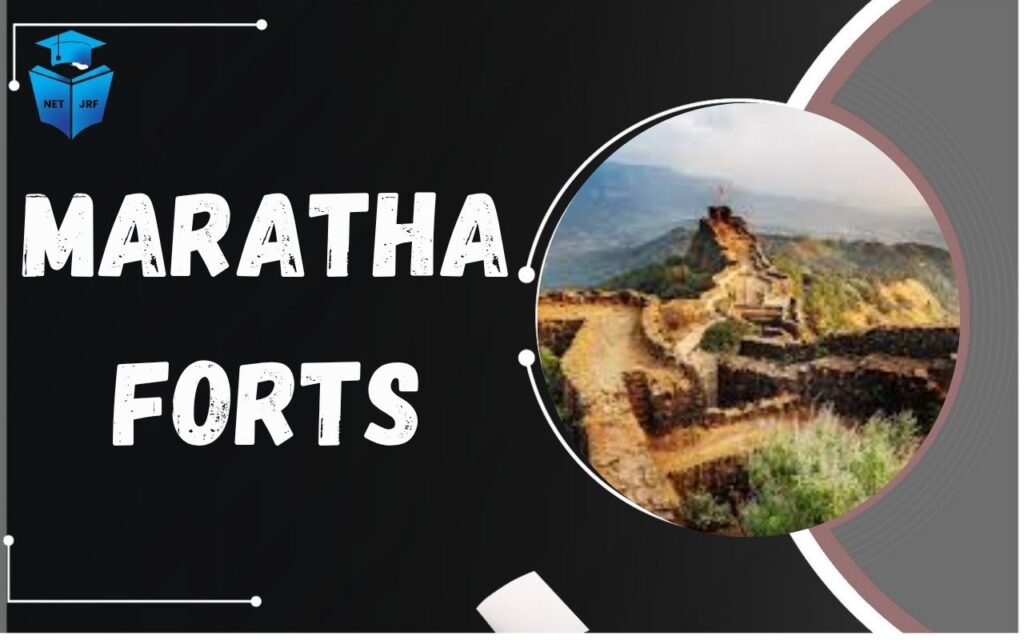
Maratha Forts: Check Military Architecture, Hill Forts, and UNESCO Heritage Sites

Maratha Forts in this topic you learn how the Maratha Empire developed hill forts coastal defenses guerrilla warfare systems strategic fort planning military engineering UNESCO heritage landscapes and administrative networks across the Western Ghats

vishal

Maratha Forts

Table of Contents

Maratha Forts stand as a testament to the incredible military vision of the Maratha Empire. These structures showcase a unique blend of nature and human design. Rulers developed this extraordinary network between the 17th and 19th centuries. This article explores why these landscapes recently joined the UNESCO World Heritage List.

Study Planner

The Maratha rulers envisioned a fortification system that integrated with the diverse Indian geography. They built strongholds on high peaks, deep forests, and rocky islands. This strategic network defended the empire against various foreign and domestic threats. Today, these sites provide a window into the administrative apparatus of the past.

Enroll UGC NET Online Coaching

Understanding these military landscapes helps students grasp the territoriality of early modern India. Each site tells a story of resistance, innovation, and cultural pride. This guide offers a deep dive into the twelve essential forts recognized globally for their universal value.

Maratha Forts Historical Evolution 

The development of these military landscapes occurred over two centuries. This period saw the rise of the Maratha power against the Mughals and European colonizers. Rulers used the rugged terrain of the Western Ghats to their advantage. They transformed simple hills into impregnable bastions.

  • The historiography of this era emphasizes the importance of “Ganimi Kava” or guerrilla warfare. The forts served as the backbone of this military strategy. 
  • They provided safe havens for soldiers and storage for essential supplies. This system allowed the empire to maintain its hegemony over vast territories.
  • Archaeologists study these sites to understand the evolution of military engineering. 
  • The transition from simple stone walls to complex multi-layered defenses marks a significant shift. 
  • These changes reflect the increasing use of artillery in Indian warfare. The Maratha rulers adapted quickly to these technological advancements.

Maratha Forts Geographic Diversity 

The network spans across two major Indian states: Maharashtra and Tamil Nadu. Most of these structures sit within the Sahyadri mountain range. This range offers natural protection through steep cliffs and dense vegetation. Some forts, however, dominate the coastline of the Arabian Sea.

  • The inclusion of Gingee Fort in Tamil Nadu highlights the vast reach of the Maratha influence. It shows that their military philosophy was not limited to one region. 
  • They carried their architectural style and strategic concepts across the Deccan plateau. This geographic spread made the empire a formidable force in the 17th century.
  • Diverse terrains demanded different construction techniques. 
  • Builders had to account for rainfall, soil stability, and water accessibility. 
  • The result was a diverse collection of strongholds that mastered every possible environment. From the humid coasts to the dry hilltops, the engineering remained superior.

Join UGC NET Online Coaching

Maratha Forts Classification 

Experts classify these structures based on their specific location and surrounding terrain. This classification helps us understand the strategic role of each site. Some focused on land defense, while others protected maritime trade routes.

  • Hill Forts These represent the most common type in the Maratha system. Rulers built them on high mountain peaks to monitor the surrounding plains. Examples include Salher, Shivneri, Lohgad, Raigad, Rajgad, and Gingee. Their height provided a natural advantage during sieges.
  • Coastal and Island Forts The Maratha Navy played a crucial role in defending the coastline. They built forts along the shoreline, like Vijaydurg. Island forts like Khanderi, Suvarnadurg, and Sindhudurg sat entirely surrounded by the sea. These sites blocked enemy ships from entering important ports.
  • Hill-Forest and Hill-Plateau Forts Some sites used the natural cover of dense woods. Pratapgad is a prime example of a hill-forest fort. Panhala sits on a plateaued hill, offering a different defensive layout. These variations demonstrate the architectural ingenuity of the Maratha engineers.

 Maratha Forts Cultural Impact 

These military landscapes represent more than just stone and mortar. They embody the cultural identity of the people in the Deccan region. The forts hosted vibrant communities, administrative offices, and religious shrines. They acted as the heart of the Maratha social structure.

  • UNESCO recognizes these sites as a “cultural landscape”. This means they show the long-term interaction between humans and their environment. 
  • The Maratha rulers did not just build on nature; they built with nature. They used existing rock formations and water sources to create sustainable living spaces.
  • The folklore of Maharashtra remains deeply connected to these heights. Songs and stories celebrate the bravery associated with these bastions.

App JRF Adda

UNESCO Recognition and Global Value

In a historic move, UNESCO inscribed the Maratha Military Landscapes of India on its World Heritage List.

  •  This makes it India’s 44th property to receive such high recognition. The decision highlights the “Outstanding Universal Value” of the fortification system.
  • The nomination included twelve specific forts. These sites represent the peak of Maratha military thinking and architectural skill. 
  • This global status ensures better preservation and increased tourism for the region. It also encourages more academic research into the military history of India.
  • International experts praised the network for its integrity and authenticity. 
  • Many of these forts still retain their original features from the 17th century. 
  • Protecting these landscapes helps the world understand the complex history of South Asia.
  •  It puts the spotlight on the Maratha Empire’s contribution to global military heritage.

Join UGC NET Offline Coaching in Jaipur

Administrative Management of Heritage Sites

Two main bodies share the responsibility of protecting these historical treasures. The Archaeological Survey of India (ASI) manages eight of the twelve forts. 

  • These include Shivneri, Lohgad, Raigad, Suvarnadurg, Panhala, Vijaydurg, Sindhudurg, and Gingee.
  • The Directorate of Archaeology and Museums, Government of Maharashtra, protects the remaining four. These are Salher, Rajgad, Khanderi, and Pratapgad
  • This dual management ensures that both national and regional experts contribute to conservation efforts.
  • Conservation involves regular maintenance of the stone walls and gateways. Teams work to prevent erosion and damage from heavy monsoon rains.
  •  They also manage the thousands of tourists who visit these sites every year. Proper management balances the need for public access with the requirement for structural safety.

Comparison of Twelve Maratha Forts

This table provides a structured look at the twelve recognized sites and their characteristics.

Fort Name State Terrain Type Managing Authority
Salher Maharashtra Hill Fort State Government
Shivneri Maharashtra Hill Fort ASI
Lohgad Maharashtra Hill Fort ASI
Khanderi Maharashtra Island Fort State Government
Raigad Maharashtra Hill Fort ASI
Rajgad Maharashtra Hill Fort State Government
Pratapgad Maharashtra Hill-Forest Fort State Government
Suvarnadurg Maharashtra Island Fort ASI
Panhala Maharashtra Hill-Plateau Fort ASI
Vijaydurg Maharashtra Coastal Fort ASI
Sindhudurg Maharashtra Island Fort ASI
Gingee Tamil Nadu Hill Fort ASI

Strategic Features of Maratha Forts

The architectural brilliance of these structures lies in their specialized features. This table summarizes the key military advantages of the Maratha system.

Feature Type Description Strategic Benefit
Bastions Strong towers at corners Allowed for 360-degree firing
Zig-zag Gates Narrow, winding entrances Prevented elephant-led charges
Rock-cut Cisterns Water tanks carved in stone Ensured supply during long sieges
Hidden Passages Secret tunnels for escape Facilitated surprise attacks
Double Walls Multiple layers of stone Increased resistance to artillery

Best UGC NET Offline Classes in Jaipur

Key Steps in the UNESCO Inscription Process

Experts identified twelve forts that represented the Maratha military vision.

  1. Documentation: Research teams gathered historical maps, photos, and archaeological data.
  2. Submission: The Indian government submitted the nomination to UNESCO.
  3. Evaluation: International heritage experts visited the sites in Maharashtra and Tamil Nadu.
  4. Inscription: UNESCO officially added the landscape to the World Heritage List as the 44th property.

JRF Adda Book

Conclusion

The legacy of Maratha Forts offers a profound look into the military genius of Indian history. These structures demonstrate how rulers used geography to defend their sovereignty. The recent UNESCO recognition brings global attention to the architectural and cultural importance of these sites. As we move into the future, preserving these landscapes remains a top priority for the government and citizens alike. These forts continue to inspire students and historians with their stories of resilience. They remain a permanent symbol of the Maratha Empire’s strength and vision.

Read UGC NET Notes
1 Archaeological Sources for UGC NET Epigraphy – Study of Inscriptions Meaning of Historical Sources Archaeological
2 Meaning of Historical Sources Archaeological Sources for UGC NET Literary Sources in History Archaeological
3 Exploration in Archaeology Excavation Techniques in Archaeology Dating of Archaeological Sites Archaeological
4 Excavation Techniques in Archaeology Exploration in Archaeology Dating of Archaeological Sites Archaeological
5 Epigraphy – Study of Inscriptions Inscriptions in Reconstructing History Numismatics in History Archaeological
6 Inscriptions in Reconstructing History Epigraphy – Study of Inscriptions Archaeological Sources for UGC NET Archaeological
7 Numismatics in History Importance of Coins in History Epigraphy – Study of Inscriptions Archaeological
8 Importance of Coins in History Numismatics in History Archaeological Sources for UGC NET Archaeological
9 Dating of Archaeological Sites Excavation Techniques in Archaeology Dating Ancient Literary Sources Archaeological
10 Indigenous Literature Literary Sources in History Secular Literature as Historical Source Literary
11 Dating Ancient Literary Sources Literary Sources in History Dating of Archaeological Sites Literary
12 Literary Sources in History Indigenous Literature Foreign Accounts of India Literary
13 Foreign Accounts of India Greek Accounts on Ancient India Chinese Accounts on India Literary
14 Greek Accounts on Ancient India Foreign Accounts of India Chinese Accounts on India Literary
15 Secular Literature as Historical Source Literary Sources in History Indigenous Literature Literary
16 Role of Myths and Legends in Historical Reconstruction Literary Sources in History Secular Literature as Historical Source Literary
17 Chinese Accounts on India Foreign Accounts of India Greek Accounts on Ancient India Literary
18 Arabic Accounts on India Foreign Accounts of India Chinese Accounts on India Literary
19 Neolithic and Chalcolithic Phases Neolithic Revolution in India Chalcolithic Culture in India Neolithic
20 Hunting, Gathering & Food Production Neolithic Revolution in India Neolithic Settlements in India Neolithic
21 Neolithic Revolution in India Neolithic Settlements in India Tools and Technology in Neolithic Period Neolithic
22 Neolithic Settlements in India Distribution of Neolithic Cultures in India Neolithic Revolution in India Neolithic
23 Distribution of Neolithic Cultures in India Neolithic Settlements in India Tools and Technology in Neolithic Period Neolithic
24 Tools and Technology in Neolithic Period Neolithic Revolution in India Chalcolithic Culture in India Neolithic
25 Chalcolithic Culture in India Settlement Pattern & Economy in Chalcolithic Phase Trade & Exchange Networks in Chalcolithic Societies Neolithic
26 Settlement Pattern & Economy – Chalcolithic Phase Chalcolithic Culture in India Trade & Exchange Networks in Chalcolithic Societies Neolithic
27 Trade & Exchange Networks – Chalcolithic Societies Chalcolithic Culture in India IVC Internal & External Trade Neolithic
28 Indus Valley Civilization – UGC NET Major Sites of Indus Civilization Urban Planning in Harappan Civilization IVC
29 IVC Internal & External Trade Internal Trade – Harappan Civilization Craft Specialization in Harappan Civilization IVC
30 Political Organization – Harappan Civilization Social Structure – Indus Civilization Urban Planning in Harappan Civilization IVC
31 Major Sites of Indus Civilization Indus Valley Civilization – UGC NET Urban Planning in Harappan Civilization IVC
32 Urban Planning & Settlement – Harappan Civilization Architecture & Town Planning – Harappan Cities IVC as First Urbanization in India IVC
33 Architecture & Town Planning – Harappan Cities Urban Planning in Harappan Civilization Major Sites of Indus Civilization IVC
34 Craft Specialization & Industrial Activities – Harappan Agriculture & Food Economy – Harappans IVC Internal & External Trade IVC
35 Agriculture & Food Economy – Harappans Craft Specialization in Harappan Civilization Internal Trade – Harappan Civilization IVC
36 Internal Trade – Harappan Civilization IVC Internal & External Trade Craft Specialization in Harappan Civilization IVC
37 Religion & Beliefs – Indus Civilization Social Structure – Indus Civilization Indus Valley Civilization – UGC NET IVC
38 Social Structure – Indus Civilization Political Organization – Harappan Civilization Religion & Beliefs – Indus Civilization IVC
39 Decline of Indus Civilization Indus Valley Civilization – UGC NET IVC as First Urbanization in India IVC
40 IVC as First Urbanization in India Urban Planning in Harappan Civilization Second Urbanization in India IVC
41 Vedic & Later Vedic Periods – Aryan Varna System Early Vedic Society and Economy Later Vedic Society and Economy Vedic
42 Origin of Vedic Civilization Aryan Debate – Migration, Invasion & Indigenous Theories Early Vedic Society and Economy Vedic
43 Aryan Debate – Migration, Invasion & Indigenous Theories Origin of Vedic Civilization Early Vedic Society and Economy Vedic
44 Early Vedic Society and Economy Political Institutions – Early Vedic Period Social Structure – Early Vedic Period Vedic
45 Political Institutions – Early Vedic Period Early Vedic Society and Economy Monarchical States in Ancient India Vedic
46 Social Structure – Early Vedic Period Emergence of Varnas & Social Stratification Early Vedic Society and Economy Vedic
47 Later Vedic Society and Economy Emergence of Varnas & Social Stratification Impact of Iron Technology in India Vedic
48 Emergence of Varnas & Social Stratification Social Structure – Early Vedic Period Later Vedic Society and Economy Vedic
49 Emergence of Heterodox Sects in India Jainism, Buddhism & Ajivikas – Origins & Teachings Later Vedic Society and Economy Vedic
50 Impact of Iron Technology in India Later Vedic Society and Economy Agricultural Expansion & Economic Changes – Ancient India Vedic
51 Religious & Philosophical Vedic Ideas Emergence of Varnas & Social Stratification Emergence of Heterodox Sects in India Vedic
52 Megalithic Culture of South India Neolithic and Chalcolithic Phases Agricultural Expansion & Economic Changes General
53 State System in Ancient India Rise of Mahajanapadas Transition: Tribal Polities to Territorial States General
54 Transition: Tribal Polities to Territorial States Rise of Mahajanapadas Later Vedic Society and Economy General
55 Rise of Mahajanapadas Monarchical States in Ancient India Republican States (Gana-Sanghas) – Ancient India Magadha
56 Monarchical States in Ancient India Rise of Mahajanapadas Emergence of Magadha Magadha
57 Republican States (Gana-Sanghas) – Ancient India Rise of Mahajanapadas Monarchical States in Ancient India Magadha
58 Agricultural Expansion & Economic Changes – Ancient India Second Urbanization in India Impact of Iron Technology in India General
59 Second Urbanization in India IVC as First Urbanization in India Rise of Mahajanapadas General
60 Jainism, Buddhism & Ajivikas – Origins & Teachings Emergence of Heterodox Sects in India Ashoka’s Policy of Dhamma General
61 Emergence of Magadha Geographical Advantages of Magadha Early Rulers of Magadha Magadha
62 Geographical Advantages of Magadha Natural Resources & Economic Strength of Magadha Reasons for Success of Magadha Magadha
63 Natural Resources & Economic Strength of Magadha Geographical Advantages of Magadha Economic Policies of the Nandas Magadha
64 Early Rulers of Magadha Haryanka Dynasty – Rise of Magadha Emergence of Magadha Magadha
65 Haryanka Dynasty – Rise of Magadha Expansion Policy of Bimbisara Early Rulers of Magadha Magadha
66 Expansion Policy of Bimbisara Ajatashatru – Military Reforms Haryanka Dynasty – Rise of Magadha Magadha
67 Ajatashatru – Military Reforms Wars of Ajatashatru Expansion Policy of Bimbisara Magadha
68 Wars of Ajatashatru Ajatashatru – Military Reforms Udayin & Establishment of Pataliputra Magadha
69 Udayin & Establishment of Pataliputra Wars of Ajatashatru Shishunaga Dynasty Magadha
70 Shishunaga Dynasty Administrative Structure of the Shishunagas Nanda Dynasty Magadha
71 Administrative Structure of the Shishunagas Shishunaga Dynasty Central Administration Under Mauryas Magadha
72 Nanda Dynasty Mahapadma Nanda – Imperial Expansion Shishunaga Dynasty Magadha
73 Mahapadma Nanda – Imperial Expansion Military Strength of the Nandas Nanda Dynasty Magadha
74 Economic Policies of the Nandas Nanda Dynasty Taxation System – Mauryan State Magadha
75 Military Strength of the Nandas Mahapadma Nanda – Imperial Expansion Defeat of Nandas & Rise of Mauryan Empire Magadha
76 Reasons for Success of Magadha Geographical Advantages of Magadha Natural Resources & Economic Strength of Magadha Magadha
77 Mahajanapadas to Empire – Evolution & Rise of Magadha Rise of Mahajanapadas Emergence of Magadha Magadha
78 Mauryan Empire – Expansion Rise of Chandragupta Maurya Expansion of Mauryan Empire Maurya
79 Rise of Chandragupta Maurya Role of Chanakya in Rise of Mauryan Empire Defeat of Nandas & Rise of Mauryan Empire Maurya
80 Role of Chanakya in Rise of Mauryan Empire Rise of Chandragupta Maurya Defeat of Nandas & Rise of Mauryan Empire Maurya
81 Defeat of Nandas & Rise of Mauryan Empire Military Strength of the Nandas Rise of Chandragupta Maurya Maurya
82 Chandragupta Maurya – Seleucus Treaty & Diplomacy Expansion of Mauryan Empire Greek Accounts on Ancient India Maurya
83 Expansion of Mauryan Empire Chandragupta Maurya – Seleucus Treaty & Diplomacy Kalinga War Maurya
84 Administration of Chandragupta Maurya Central Administration Under Mauryas Mauryan Bureaucracy Maurya
85 Sources for Mauryan History Archaeological Sources for UGC NET Greek Accounts on Ancient India Maurya
86 Central Administration Under Mauryas Provincial Administration – Mauryan Empire Mauryan Bureaucracy Maurya
87 Provincial Administration – Mauryan Empire Local Administration – Mauryan Empire Central Administration Under Mauryas Maurya
88 Local Administration – Mauryan Empire Provincial Administration – Mauryan Empire Mauryan Bureaucracy Maurya
89 Mauryan Bureaucracy Central Administration Under Mauryas Espionage System – Mauryan Empire Maurya
90 Espionage System – Mauryan Empire Mauryan Bureaucracy Central Administration Under Mauryas Maurya
91 Ancient India – Trade and Commerce Trade and Commerce Under Mauryas Agrarian Economy – Mauryan Period Maurya
92 Agrarian Economy – Mauryan Period Taxation System – Mauryan State Trade and Commerce Under Mauryas Maurya
93 Trade and Commerce Under Mauryas Ancient India – Trade and Commerce Agrarian Economy – Mauryan Period Maurya
94 Taxation System – Mauryan State Agrarian Economy – Mauryan Period Economic Policies of the Nandas Maurya
95 Kalinga War Ashoka’s Policy of Dhamma Expansion of Mauryan Empire Maurya
96 Ashoka’s Policy of Dhamma Nature & Philosophy of Dhamma Kalinga War Maurya
97 Nature & Philosophy of Dhamma Ashoka’s Policy of Dhamma Jainism, Buddhism & Ajivikas Maurya

History and Architecture of Maratha Forts FAQs

Loader image

They developed between the 17th and 19th centuries CE.

The Archaeological Survey of India (ASI) manages Raigad Fort.

Gingee Fort is located in the state of Tamil Nadu.

 Pratapgad is classified as a hill-forest fort because it sits within dense woods.

 Khanderi, Suvarnadurg, and Sindhudurg are recognized as island forts.

Leave a Reply

Recent Posts
Aditi

Aditi Sharma, founder of JRFAdda, is a Computer Science educator with an MCA degree and JRF qualification (99.91 percentile, Dec 2019). Her experience includes roles as an SBI SO (DBA), work at Cognizant, and over 5 years of teaching online and offline. She has also served as a Government Computer Teacher in Rajasthan.