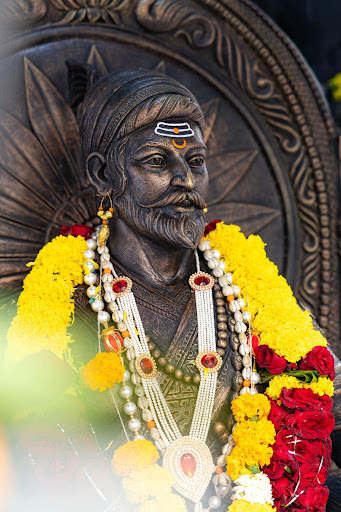


Mughal Maratha Relations: History, Conflict, Diplomacy and Political Transformation in India

Mughal Maratha relations history in this topic you learn how conflict began under Shivaji evolved through Aurangzeb wars shifted to diplomacy and led to Maratha dominance and Mughal decline in Indian politics

vishal

mughal maratha relations

Table of Contents

Mughal – Maratha relations form one of the most decisive political struggles in medieval India. For ugc net aspirants, this topic explains how a regional power led by Shivaji challenged the Mughal Empire and later transformed into a pan-Indian force under the Peshwas. This relationship moved through phases of conflict, negotiation, compromise, renewed warfare, and eventual Mughal decline. 

Study Planner

Mughal Maratha Relations Historical Background 

In the 17th century, the Mughal Empire expanded southward into the Deccan. At the same time, Shivaji aimed to establish Swaraj in Maharashtra.

The clash between imperial expansion and regional assertion shaped Mughal – Maratha relations, during the reign of Aurangzeb.

Join UGC NET Online Coaching

Phase I: Shivaji and Mughals

Early Conflicts

Shivaji began by capturing forts from the Bijapur Sultanate. Mughal interest in the Deccan soon led to confrontation.

Important events:

  • Attack on Shaista Khan (1663)
  • Raid on Surat (1664)
  • Treaty of Purandar (1665)

The Treaty of Purandar temporarily settled Mughal – Maratha relations, but distrust continued.

Shivaji’s Visit to Agra

In 1666, Shivaji visited Aurangzeb’s court. Mughal authorities detained him. Shivaji escaped dramatically.

This event damaged trust in Mughal – Maratha relations, and conflict resumed.

Phase II: War Under Aurangzeb

Shivaji’s death in 1680, Aurangzeb personally moved to the Deccan to suppress the rising Maratha power and bring the region under firm Mughal control. He directed prolonged military campaigns against Maratha forts, leaders, and territories with the aim of ending their resistance. These wars continued for decades, draining Mughal resources while the Marathas used guerrilla tactics to sustain their struggle

Major Developments

  • Execution of Sambhaji (1689)
  • Resistance under Rajaram
  • Guerrilla warfare
  • Mughal occupation of forts

Aurangzeb spent 27 years in the Deccan. Continuous warfare drained Mughal resources. Mughal – Maratha relations, during this phase shifted from negotiation to total war.

Mughal – Maratha relations, During Shivaji Period

Relations between Shivaji and the Mughal Empire were mostly hostile, as he challenged imperial authority through military raids and territorial expansion.

Under Aurangzeb, conflicts intensified despite brief truces like the Treaty of Purandar, showing a continuous power struggle in the Deccan.

Event Year Impact
Surat Raid 1664 Demonstrated Maratha strength
Treaty of Purandar 1665 Temporary compromise
Agra Incident 1666 Breakdown of trust
Coronation 1674 Assertion of sovereignty

Join UGC NET Online Course

App JRF Adda

Phase III: Post-Aurangzeb Settlement

After Aurangzeb died in 1707, the Mughal Empire weakened due to succession struggles and administrative strain. His successors adopted conciliatory policies, recognizing Shahu and granting rights like chauth and sardeshmukhi to secure Maratha cooperation. This settlement marked a shift from constant warfare to negotiation and political partnership.

Shahu’s Release

  • Mughals released Shahu, Shivaji’s grandson, hoping to divide Marathas.
  • This marked a diplomatic shift in Mughal – Maratha relations, where negotiation replaced full-scale war.

Phase IV: Rise of the Peshwas

The rise of the Peshwas marked a major shift in the power structure of the Maratha state, where real authority gradually passed from the Chhatrapati to the prime ministers. Under Balaji Vishwanath, the office became hereditary and politically influential, while Baji Rao I expanded Maratha dominance across much of India through military campaigns and diplomacy. By the mid-18th century, the Peshwas had transformed the Marathas into the leading power in Indian politics.

Under Peshwa Baji Rao I:

  • Marathas entered North India
  • Defeated Mughal governors
  • Influenced Delhi politics

Mughal – Maratha relations, transformed from defensive conflict to Maratha dominance.

Expansion Policy

The Marathas collected Chauth (25%) and Sardeshmukhi (10%) from territories under their influence, strengthening state finances. 

  • They expanded aggressively into Malwa, Gujarat, Bundelkhand, and northern India, using both military campaigns and strategic alliances to assert dominance over regional rulers. This policy turned the Marathas into a major political and military power in 18th-century India.
  • They exercised power in Malwa, Gujarat, and Bundelkhand.
  • The Mughal emperor became increasingly dependent on Maratha support.

Changing Nature of Mughal – Maratha relations

The Mughal–Maratha relations changed from early conflict to uneasy negotiation over time. During Shivaji’s rise, they fought frequent wars in the Deccan, but after Aurangzeb’s death, both sides opted for treaties, tribute arrangements, and political alliances, reflecting a shift from direct warfare to diplomacy and influence.

Phase Nature of Relation Result
Shivaji Era Conflict + treaty Limited compromise
Aurangzeb Era Prolonged war Mughal exhaustion
Early 18th Century Negotiation Maratha recognition
Peshwa Era Maratha dominance Mughal decline

Mughal – Maratha relations Military Comparison

The Mughal military relied on heavy cavalry, large infantry, and artillery under a centralized command, emphasizing formal battlefield engagements. In contrast, the Marathas used light cavalry, guerrilla tactics, and rapid mobility, leveraging hill forts and hit-and-run strategies to outmaneuver larger armies.

Mughal Military

  • Heavy cavalry
  • Large infantry
  • Artillery
  • Central command

Maratha Military

  • Light cavalry
  • Guerrilla tactics
  • Rapid mobility
  • Fort-based strategy

The contrast shaped Mughal – Maratha relations, across decades.

Mughal – Maratha relations Administrative Contrast

Aspect Mughals Marathas
Revenue Zabt system Chauth, Sardeshmukhi
Governance Mansabdari Ashtapradhan
Control Centralized Confederacy model

Sources for Mughal – Maratha relations

The Mughal–Maratha relations evolved from early conflicts during Shivaji’s rise to complex political negotiations under Aurangzeb, shaping the power dynamics of 17th and 18th century India.”

  • Jadunath Sarkar, Shivaji and His Times – Classic work covering Shivaji’s campaigns and early Mughal conflicts.
  • Jadunath Sarkar, Fall of the Mughal Empire – Details Maratha expansion under the Peshwas and late Mughal decline.
  • R.S. Chaurasia, History of Medieval India – Provides concise accounts of Mughal–Maratha wars.
  • Irfan Habib, The Agrarian System of Mughal India – Contextualizes Mughal-Maratha interactions in terms of politics and economy.
  • Satish Chandra, Medieval India – Comprehensive coverage of Deccan politics and Mughal-Maratha relations.

Primary Sources:

  • Ain-i-Akbari by Abul Fazl (for Mughal administrative perspective)
  • Bakhar texts (Maratha chronicles detailing Shivaji’s campaigns)

Persian Sources

  • Maasir-i-Alamgiri
  • Alamgirnama

Marathi Sources

  • Sabhasad Bakhar
  • Chitnis Bakhar

European Accounts

  • French and English factory records
  • Traveler narratives

These sources offer different perspectives on Mughal – Maratha relations, including bias and interpretation.

Best UGC NET Offline Classes in Jaipur

Mughal – Maratha relations Economic Impact

Continuous wars:

  1. Increased taxation
  2. Destroyed agriculture
  3. Weakened Mughal treasury
  4. Strengthened Maratha revenue network

Economic strain weakened Mughal control.

Mughal – Maratha relations Political Consequences

  • Mughal decline accelerated
  • Marathas emerged as dominant Indian power
  • Regional autonomy increased
  • British gained opportunity

The transformation in Mughal – Maratha relations, changed India’s political balance.

Third Battle of Panipat (1761)

Marathas fought Ahmad Shah Abdali.

Though not directly a Mughal conflict, the weakened Mughal authority created the context.

After Panipat, Marathas recovered but Mughal authority remained symbolic.

Causes of Mughal Weakness in Conflict

  • Overextension in Deccan
  • Guerrilla warfare challenges
  • Financial drain
  • Lack of local support

These factors influenced Mughal – Maratha relations, by shifting power gradually.

JRF Adda Book

Long-Term Historical Significance

Mughal – Maratha relations, represent:

  • Transition from imperial centralization
  • Rise of regional power
  • Beginning of Mughal fragmentation
  • Precondition for colonial expansion

Top UGC NET Coaching in Jaipur

Mughal – Maratha relations began as a regional rebellion under Shivaji and evolved into a long political struggle that weakened the Mughal Empire. Aurangzeb’s prolonged Deccan campaigns drained imperial strength. After 1707, diplomacy and negotiation replaced direct conflict. Under the Peshwas, Marathas became dominant in northern India.

In conclusion, Mughal – Maratha relations illustrate how sustained regional resistance transformed the subcontinent’s political structure. 

Read UGC NET Notes
1 Archaeological Sources for UGC NET Epigraphy – Study of Inscriptions Meaning of Historical Sources Archaeological
2 Meaning of Historical Sources Archaeological Sources for UGC NET Literary Sources in History Archaeological
3 Exploration in Archaeology Excavation Techniques in Archaeology Dating of Archaeological Sites Archaeological
4 Excavation Techniques in Archaeology Exploration in Archaeology Dating of Archaeological Sites Archaeological
5 Epigraphy – Study of Inscriptions Inscriptions in Reconstructing History Numismatics in History Archaeological
6 Inscriptions in Reconstructing History Epigraphy – Study of Inscriptions Archaeological Sources for UGC NET Archaeological
7 Numismatics in History Importance of Coins in History Epigraphy – Study of Inscriptions Archaeological
8 Importance of Coins in History Numismatics in History Archaeological Sources for UGC NET Archaeological
9 Dating of Archaeological Sites Excavation Techniques in Archaeology Dating Ancient Literary Sources Archaeological
10 Indigenous Literature Literary Sources in History Secular Literature as Historical Source Literary
11 Dating Ancient Literary Sources Literary Sources in History Dating of Archaeological Sites Literary
12 Literary Sources in History Indigenous Literature Foreign Accounts of India Literary
13 Foreign Accounts of India Greek Accounts on Ancient India Chinese Accounts on India Literary
14 Greek Accounts on Ancient India Foreign Accounts of India Chinese Accounts on India Literary
15 Secular Literature as Historical Source Literary Sources in History Indigenous Literature Literary
16 Role of Myths and Legends in Historical Reconstruction Literary Sources in History Secular Literature as Historical Source Literary
17 Chinese Accounts on India Foreign Accounts of India Greek Accounts on Ancient India Literary
18 Arabic Accounts on India Foreign Accounts of India Chinese Accounts on India Literary
19 Neolithic and Chalcolithic Phases Neolithic Revolution in India Chalcolithic Culture in India Neolithic
20 Hunting, Gathering & Food Production Neolithic Revolution in India Neolithic Settlements in India Neolithic
21 Neolithic Revolution in India Neolithic Settlements in India Tools and Technology in Neolithic Period Neolithic
22 Neolithic Settlements in India Distribution of Neolithic Cultures in India Neolithic Revolution in India Neolithic
23 Distribution of Neolithic Cultures in India Neolithic Settlements in India Tools and Technology in Neolithic Period Neolithic
24 Tools and Technology in Neolithic Period Neolithic Revolution in India Chalcolithic Culture in India Neolithic
25 Chalcolithic Culture in India Settlement Pattern & Economy in Chalcolithic Phase Trade & Exchange Networks in Chalcolithic Societies Neolithic
26 Settlement Pattern & Economy – Chalcolithic Phase Chalcolithic Culture in India Trade & Exchange Networks in Chalcolithic Societies Neolithic
27 Trade & Exchange Networks – Chalcolithic Societies Chalcolithic Culture in India IVC Internal & External Trade Neolithic
28 Indus Valley Civilization – UGC NET Major Sites of Indus Civilization Urban Planning in Harappan Civilization IVC
29 IVC Internal & External Trade Internal Trade – Harappan Civilization Craft Specialization in Harappan Civilization IVC
30 Political Organization – Harappan Civilization Social Structure – Indus Civilization Urban Planning in Harappan Civilization IVC
31 Major Sites of Indus Civilization Indus Valley Civilization – UGC NET Urban Planning in Harappan Civilization IVC
32 Urban Planning & Settlement – Harappan Civilization Architecture & Town Planning – Harappan Cities IVC as First Urbanization in India IVC
33 Architecture & Town Planning – Harappan Cities Urban Planning in Harappan Civilization Major Sites of Indus Civilization IVC
34 Craft Specialization & Industrial Activities – Harappan Agriculture & Food Economy – Harappans IVC Internal & External Trade IVC
35 Agriculture & Food Economy – Harappans Craft Specialization in Harappan Civilization Internal Trade – Harappan Civilization IVC
36 Internal Trade – Harappan Civilization IVC Internal & External Trade Craft Specialization in Harappan Civilization IVC
37 Religion & Beliefs – Indus Civilization Social Structure – Indus Civilization Indus Valley Civilization – UGC NET IVC
38 Social Structure – Indus Civilization Political Organization – Harappan Civilization Religion & Beliefs – Indus Civilization IVC
39 Decline of Indus Civilization Indus Valley Civilization – UGC NET IVC as First Urbanization in India IVC
40 IVC as First Urbanization in India Urban Planning in Harappan Civilization Second Urbanization in India IVC
41 Vedic & Later Vedic Periods – Aryan Varna System Early Vedic Society and Economy Later Vedic Society and Economy Vedic
42 Origin of Vedic Civilization Aryan Debate – Migration, Invasion & Indigenous Theories Early Vedic Society and Economy Vedic
43 Aryan Debate – Migration, Invasion & Indigenous Theories Origin of Vedic Civilization Early Vedic Society and Economy Vedic
44 Early Vedic Society and Economy Political Institutions – Early Vedic Period Social Structure – Early Vedic Period Vedic
45 Political Institutions – Early Vedic Period Early Vedic Society and Economy Monarchical States in Ancient India Vedic
46 Social Structure – Early Vedic Period Emergence of Varnas & Social Stratification Early Vedic Society and Economy Vedic
47 Later Vedic Society and Economy Emergence of Varnas & Social Stratification Impact of Iron Technology in India Vedic
48 Emergence of Varnas & Social Stratification Social Structure – Early Vedic Period Later Vedic Society and Economy Vedic
49 Emergence of Heterodox Sects in India Jainism, Buddhism & Ajivikas – Origins & Teachings Later Vedic Society and Economy Vedic
50 Impact of Iron Technology in India Later Vedic Society and Economy Agricultural Expansion & Economic Changes – Ancient India Vedic
51 Religious & Philosophical Vedic Ideas Emergence of Varnas & Social Stratification Emergence of Heterodox Sects in India Vedic
52 Megalithic Culture of South India Neolithic and Chalcolithic Phases Agricultural Expansion & Economic Changes General
53 State System in Ancient India Rise of Mahajanapadas Transition: Tribal Polities to Territorial States General
54 Transition: Tribal Polities to Territorial States Rise of Mahajanapadas Later Vedic Society and Economy General
55 Rise of Mahajanapadas Monarchical States in Ancient India Republican States (Gana-Sanghas) – Ancient India Magadha
56 Monarchical States in Ancient India Rise of Mahajanapadas Emergence of Magadha Magadha
57 Republican States (Gana-Sanghas) – Ancient India Rise of Mahajanapadas Monarchical States in Ancient India Magadha
58 Agricultural Expansion & Economic Changes – Ancient India Second Urbanization in India Impact of Iron Technology in India General
59 Second Urbanization in India IVC as First Urbanization in India Rise of Mahajanapadas General
60 Jainism, Buddhism & Ajivikas – Origins & Teachings Emergence of Heterodox Sects in India Ashoka’s Policy of Dhamma General
61 Emergence of Magadha Geographical Advantages of Magadha Early Rulers of Magadha Magadha
62 Geographical Advantages of Magadha Natural Resources & Economic Strength of Magadha Reasons for Success of Magadha Magadha
63 Natural Resources & Economic Strength of Magadha Geographical Advantages of Magadha Economic Policies of the Nandas Magadha
64 Early Rulers of Magadha Haryanka Dynasty – Rise of Magadha Emergence of Magadha Magadha
65 Haryanka Dynasty – Rise of Magadha Expansion Policy of Bimbisara Early Rulers of Magadha Magadha
66 Expansion Policy of Bimbisara Ajatashatru – Military Reforms Haryanka Dynasty – Rise of Magadha Magadha
67 Ajatashatru – Military Reforms Wars of Ajatashatru Expansion Policy of Bimbisara Magadha
68 Wars of Ajatashatru Ajatashatru – Military Reforms Udayin & Establishment of Pataliputra Magadha
69 Udayin & Establishment of Pataliputra Wars of Ajatashatru Shishunaga Dynasty Magadha
70 Shishunaga Dynasty Administrative Structure of the Shishunagas Nanda Dynasty Magadha
71 Administrative Structure of the Shishunagas Shishunaga Dynasty Central Administration Under Mauryas Magadha
72 Nanda Dynasty Mahapadma Nanda – Imperial Expansion Shishunaga Dynasty Magadha
73 Mahapadma Nanda – Imperial Expansion Military Strength of the Nandas Nanda Dynasty Magadha
74 Economic Policies of the Nandas Nanda Dynasty Taxation System – Mauryan State Magadha
75 Military Strength of the Nandas Mahapadma Nanda – Imperial Expansion Defeat of Nandas & Rise of Mauryan Empire Magadha
76 Reasons for Success of Magadha Geographical Advantages of Magadha Natural Resources & Economic Strength of Magadha Magadha
77 Mahajanapadas to Empire – Evolution & Rise of Magadha Rise of Mahajanapadas Emergence of Magadha Magadha
78 Mauryan Empire – Expansion Rise of Chandragupta Maurya Expansion of Mauryan Empire Maurya
79 Rise of Chandragupta Maurya Role of Chanakya in Rise of Mauryan Empire Defeat of Nandas & Rise of Mauryan Empire Maurya
80 Role of Chanakya in Rise of Mauryan Empire Rise of Chandragupta Maurya Defeat of Nandas & Rise of Mauryan Empire Maurya
81 Defeat of Nandas & Rise of Mauryan Empire Military Strength of the Nandas Rise of Chandragupta Maurya Maurya
82 Chandragupta Maurya – Seleucus Treaty & Diplomacy Expansion of Mauryan Empire Greek Accounts on Ancient India Maurya
83 Expansion of Mauryan Empire Chandragupta Maurya – Seleucus Treaty & Diplomacy Kalinga War Maurya
84 Administration of Chandragupta Maurya Central Administration Under Mauryas Mauryan Bureaucracy Maurya
85 Sources for Mauryan History Archaeological Sources for UGC NET Greek Accounts on Ancient India Maurya
86 Central Administration Under Mauryas Provincial Administration – Mauryan Empire Mauryan Bureaucracy Maurya
87 Provincial Administration – Mauryan Empire Local Administration – Mauryan Empire Central Administration Under Mauryas Maurya
88 Local Administration – Mauryan Empire Provincial Administration – Mauryan Empire Mauryan Bureaucracy Maurya
89 Mauryan Bureaucracy Central Administration Under Mauryas Espionage System – Mauryan Empire Maurya
90 Espionage System – Mauryan Empire Mauryan Bureaucracy Central Administration Under Mauryas Maurya
91 Ancient India – Trade and Commerce Trade and Commerce Under Mauryas Agrarian Economy – Mauryan Period Maurya
92 Agrarian Economy – Mauryan Period Taxation System – Mauryan State Trade and Commerce Under Mauryas Maurya
93 Trade and Commerce Under Mauryas Ancient India – Trade and Commerce Agrarian Economy – Mauryan Period Maurya
94 Taxation System – Mauryan State Agrarian Economy – Mauryan Period Economic Policies of the Nandas Maurya
95 Kalinga War Ashoka’s Policy of Dhamma Expansion of Mauryan Empire Maurya
96 Ashoka’s Policy of Dhamma Nature & Philosophy of Dhamma Kalinga War Maurya
97 Nature & Philosophy of Dhamma Ashoka’s Policy of Dhamma Jainism, Buddhism & Ajivikas Maurya

Mughal – Maratha Relations FAQs

Loader image

 Aurangzeb led the Deccan campaigns to suppress the growing Maratha power. He aimed to consolidate Mughal authority over southern India. His direct involvement reflected the seriousness of the Maratha challenge to the empire.


The Treaty of Purandar in 1665 required Shivaji to surrender 23 forts to the Mughals. In return, he received a formal position under the Mughal administration. The treaty was temporary and did not end Maratha resistance.

Under the Peshwas, the Marathas shifted from defensive strategies to aggressive northern expansion. They challenged Mughal dominance politically and militarily. Tribute collection and confederacy alliances strengthened Maratha influence over former Mughal territories.

 Persian chronicles, such as the Maasir-i-Alamgiri, provide Mughal perspectives on the Deccan wars. Marathi Bakhars record Maratha strategies and heroism. European travel accounts offer external observations of the campaigns and regional politics.

Leave a Reply

Recent Posts
Aditi

Aditi Sharma, founder of JRFAdda, is a Computer Science educator with an MCA degree and JRF qualification (99.91 percentile, Dec 2019). Her experience includes roles as an SBI SO (DBA), work at Cognizant, and over 5 years of teaching online and offline. She has also served as a Government Computer Teacher in Rajasthan.