
From around 600 BCE to 300 BCE, ancient India saw a big change in how people were ruled. Small groups and tribes came together to form bigger political systems called Mahajanapadas.
Rise of Mahajanapadas Ancient Indian States UGC NET
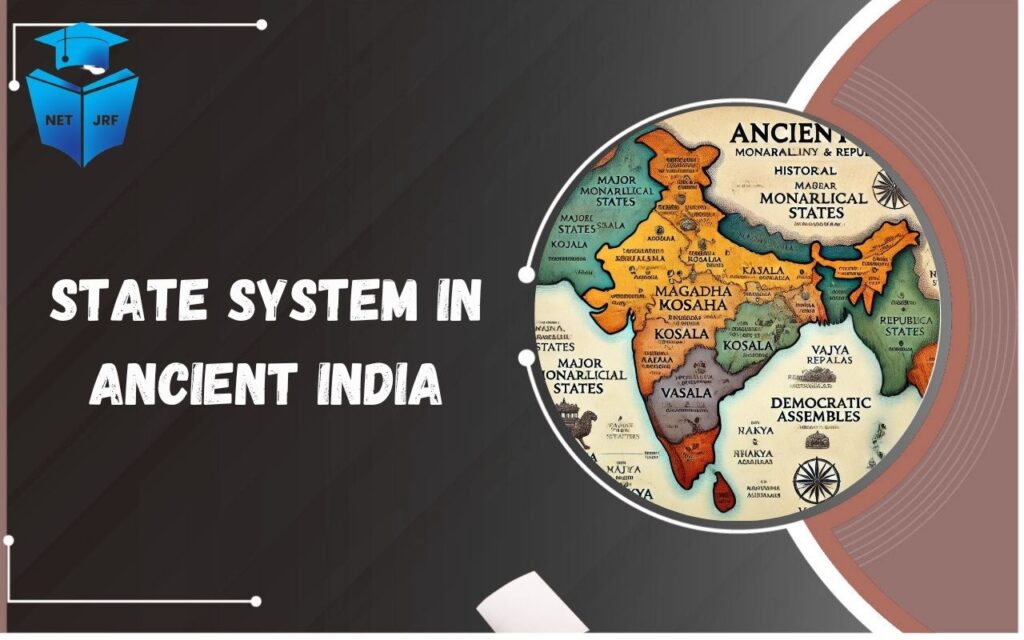
The word Mahajanapada means “great kingdom” or “big state”. Around 16 big states rose in northern India during this time. These states are mentioned in old texts like the Anguttara Nikaya.

Examples of Mahajanapadas
| Mahajanapada | Region (Present-day) | Type |
| Kuru | Western Uttar Pradesh | Monarchy |
| Panchala | Eastern Uttar Pradesh | Monarchy |
| Malla | Part of Nepal & Bihar | Republic |
| Kamboja | Northern Pakistan & Afghanistan | Republic |
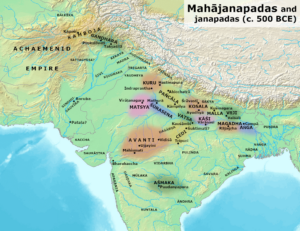
Monarchical and Republican States in Mahajanapadas
Monarchical and republican states in Mahajanapadas show how early India developed diverse political systems, ranging from king-ruled kingdoms to assembly-based republics.
Join UGC NET Coaching in Jaipur
There were mainly two types of Mahajanapadas:
-
Monarchical States (Rajyas)
-
- These were ruled by kings who passed power to their sons. The king had full control over administration, army, and law. These states often tried to expand by fighting or making deals with neighbors.
Example:
- The Panchala kingdom, ruled by kings, became strong because of its iron tools and rich farmland. It had a capital at Ahichchhatra, which was well-protected and a trade hub.
-
Republican States (Ganasanghas)
-
- These were not ruled by one person. Instead, groups of elders or chiefs from noble families made decisions together in assemblies. These states believed in shared power.
Example:
- The Malla republic, near present-day Nepal border, had a group of leaders who met regularly to decide matters of war, peace, and taxes. Everyone in the clan had a say.
Urbanization and Economy UGC NET
During this time, many cities developed. This was the second major urbanization in India after the Harappan Civilization.
Important Developments:
- Use of iron tools helped grow more food.
- Surplus food meant more people could live in cities.
- Trade increased with the help of better roads and rivers.
Join UGC NET Offline Coaching in Jaipur
Example:
The city of Ujjaini (in modern Madhya Pradesh) became a busy trading and religious center. Traders sold goods like textiles and spices across distant lands.
Religious & Cultural Growth UGC NET
This time also saw new ideas and religions take shape.
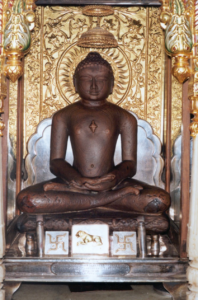
Jainism and Buddhism:
- These religions challenged old Vedic rituals.
- They believed in non-violence, truth, and equality.
- Many rulers supported these ideas to gain public respect.
Example:
A ruler from Ashmaka supported a local Jain monk who preached in the Deccan region. This helped Jainism grow in southern parts of India.
Economic Innovations Punch-Marked Coins & Trade
Money started replacing barter. The first Indian coins were made with punch marks to show authenticity.
These coins made trade faster and easier.Craftspeople made tools, ornaments, and pottery, while weights and measures became more uniform.

Factors Behind State Expansion Key Points UGC NET
State expansion was driven by economic growth, military strength, technological advances, strategic geography, strong leadership, administrative efficiency, and the decline of tribal systems.
| Factor | Role in State Expansion |
| Agriculture | More crops = more food and taxes. |
| Iron Tools | Better farming and stronger weapons. |
| Trade Routes | Rivers like Ganga became highways for business. |
| Standing Armies | Professional soldiers made the kings more powerful. |
| Common Culture | Shared languages and religious ideas brought people together. |
End of Republican States UGC NET
Although republics worked well for some time, they couldn’t stand against the strong monarchical states. Slowly, big monarchies like Panchala and Ashmaka took over the republics.
Legacy of Mahajanapadas UGC NET
The Mahajanapadas built the foundation for future empires, especially the Maurya Empire.
- The shift from small tribal units to big states showed how people began to live under organized governments, a major turning point in Indian political history.
- Focus on the differences between monarchies and republics, their impact on society, and the factors that helped them grow.
Second Urbanization in Ancient India UGC NET
The Second Urbanization was a major turning point in ancient Indian history. It happened around the 6th century BCE, especially in the Gangetic plains.
- This phase saw the rise of new cities, changes in economic and social life, and the growth of new religions like Jainism, Buddhism, and Ājīvikas.
What is Second Urbanization? UGC NET
After the decline of the Indus Valley Civilization, cities disappeared for many centuries. But around 600 BCE, a second wave of urban growth began, especially in eastern India.
Key Factors Behind Second Urbanization
| Factor | Explanation |
| Iron Tools | Helped in cutting forests, improving farming, and building stronger cities. |
| Rice Farming | Surplus rice in the Ganges region supported large populations. |
| Trade Growth | Trade increased between regions, especially near rivers and forests. |
| Strong Kingdoms | Mahajanapadas gave stable political support to growing towns and cities. |
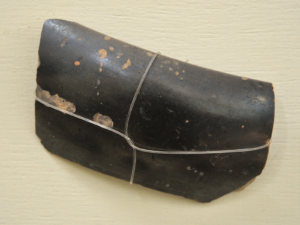
New Cities in Ancient India UGC NET
Many new towns developed into big cities during this period. These cities became centers of trade, administration, and learning.
| City | Present-day Location | Importance |
| Rajagriha | Bihar | Capital of Magadha; political center |
| Kaushambi | Uttar Pradesh | Trade hub; linked to early Buddhist texts |
| Shravasti | Uttar Pradesh | Famous Buddhist center |
| Ujjayini | Madhya Pradesh | Important city in western India |
Emergence of Jainism UGC NET Religious Movements
Jainism started around the same time as the Second Urbanization. It became popular among urban people, especially traders and merchants, who liked its message of nonviolence and simplicity.
Key Points about Jainism
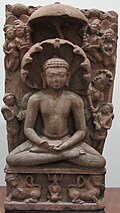
- Early Figures: Parshvanatha (23rd Tirthankara) gave early teachings.
- Mahavira (599–527 BCE): He was the 24th and last Tirthankara. He organized Jainism into a clear path of strict ethical living.
- Beliefs:
- Ahimsa (Nonviolence) to all living beings.
- Aparigraha (non-possession) and truthfulness.
- Liberation (moksha) through right belief, knowledge, and conduct.
- Two Sects:
- Digambaras (sky-clad): Monks do not wear clothes.
- Svetambaras (white-clad): Monks and nuns wear white robes.
Emergence of Buddhism: UGC NET
Buddhism was founded by Siddhartha Gautama (The Buddha), around the 6th century BCE. He was born in Lumbini (now in Nepal) and attained enlightenment in Bodh Gaya.
Core Teachings of Buddhism
| Concept | Description |
| Four Noble Truths | Life is suffering, caused by desire; end desire to end suffering. |
| Eightfold Path | A way to live a good life and achieve Nirvana (liberation). |
| Karma & Rebirth | Actions decide future births. |
| Nirvana | A state beyond birth, death, and suffering. |
Buddhism rejected Brahmanical rituals and caste-based hierarchy. The Sangha (monk community) helped spread Buddhist teachings across India and later to Sri Lanka, China, and Southeast Asia.
Ājīvikas
Alongside Jainism and Buddhism, the Ājīvikas were another religious group. Though not as well-known, they were influential in early India.
Important Facts about Ājīvikas
- Founder: Makkhali Gosala, a contemporary of the Buddha.
- Beliefs:
- Niyati (Fate): Everything is predetermined. Humans have no control over their actions.
- Believed in extreme asceticism.
- Rivals of Jainism and Buddhism but shared similar social settings and some practices.
Even though their scriptures are lost, they are often mentioned in Buddhist and Jain texts.

New Religions Grew During Second Urbanization UGC NET
New religions grew during the Second Urbanization as social change, urban life, trade, and questioning of rituals encouraged fresh spiritual ideas and reform movements.
Conditions That Helped New Ideas Flourish
| Reason | Impact |
| City Life | Urban people were open to new ideas and supported monks. |
| Trade and Wealth | Rich traders funded Jain and Buddhist monastic centers. |
| Questioning Old Rules | People questioned caste and rituals, looking for new spiritual paths. |
Impact of Second Urbanization UGC NET
The Second Urbanization had a major impact on society, economy, and religion, making it important.
- Society Changed: New classes like merchants and artisans grew powerful.
- Religion Changed: Jainism and Buddhism focused on ethics, not rituals.
- Culture Evolved: Common words like karma, moksha, yoga, samsara were shared by all religions.
- Urban Life: Cities became centers of learning, discussion, and spiritual progress.
Conclusion
From around 600 BCE to 300 BCE, India saw a major transformation in its political, social, and cultural life. The Second Urbanization led to the growth of cities, agriculture, and trade, while the rise of Mahajanapadas created strong political systems. These changes laid the foundation for future empires like the Mauryas.At the same time, new religious movements like Jainism, Buddhism, and Ājīvikas questioned traditional ideas and gained public support, especially in urban areas..
State System in Ancient India UGC NET FAQs

What are Mahajanapadas in UGC NET History?
Mahajanapadas were large political units or states that emerged around 600 BCE in ancient India. There were 16 major ones, like Kuru, Panchala, Malla, and Kamboja.
What was the difference between monarchical and republican Mahajanapadas?
Monarchical Mahajanapadas were ruled by kings, while republican Mahajanapadas like Malla were governed by elected assemblies of elders.
How did Jainism and Buddhism benefit from Second Urbanization?
Urban centers provided economic and social support for these religions. Traders and city dwellers appreciated their ethical teachings and non-ritualistic paths.
Why is the study of Mahajanapadas important for UGC NET?
It helps understand the political and social transformation of ancient India, the rise of empires, and the roots of Indian administration and governance.