

Western Kshatrapas in India played a very important role in shaping early historical developments in western and central parts of the subcontinent. They were powerful rulers who controlled trade routes, promoted culture, and left behind important inscriptions. The Western Kshatrapas ruled mainly in regions like Gujarat, Malwa, and parts of Maharashtra from the 1st to 4th century CE. They were originally of foreign origin but gradually became part of Indian society.

Origin Western Kshatrapas
Western Kshatrapas in India were part of the Indo-Scythian group, also known as Shakas. They entered India from Central Asia.
Enroll UGC NET Online Test Series
Key points explained
- Foreign origin
They came from Central Asia and settled in north-western India before moving further. - Connection with Shakas
They were one branch of the Shakas who established rule in western India. - Adoption of Indian culture
Over time, they adopted Indian traditions, language, and religion.
This shows how foreign groups became part of Indian society.
Western Kshatrapas Important Rulers
Western Kshatrapas in India had several rulers, but some of them were more powerful and influential.
Major rulers explained
- Nahapana
He expanded territory and controlled trade routes. His coins are found in large numbers. - Rudradaman I
He was the greatest ruler. He strengthened administration and promoted Sanskrit. - Chastana
He was an early ruler who established the dynasty’s power.
These rulers helped in expanding and stabilizing the empire.
Western Kshatrapas Political Structure
Western Kshatrapas in India followed a unique political system.
Administrative features explained
- Dual rule system
There were two types of rulers: Kshatrapa (governor) and Mahakshatrapa (senior ruler). - Decentralized administration
Local officials managed provinces, which made governance easier. - Military control
Strong army ensured security and expansion.
This system helped them control large areas effectively.
Western Kshatrapas in India Administration
Western Kshatrapas in India developed a structured administration that balanced central authority with local governance.
Key features explained
- King was the supreme authority
- Provinces were managed by governors
- Officials collected taxes
- Law and order were maintained
This system helped in smooth functioning of the empire.
Enroll UGC NET Mock Test Series
Economy Western Kshatrapas
Western Kshatrapas in India had a strong economic system based on agriculture and trade.
Main features explained
- Agriculture
Most people were farmers. Irrigation supported farming activities. - Trade
Trade routes connected India with foreign regions. - Tax system
Revenue was collected from land and trade.
This balanced system ensured economic growth.

Western Kshatrapas Trade and Commerce
Trade was one of the strongest pillars of Western Kshatrapas in India.
Internal trade explained
- Goods moved between cities
- Markets developed in towns
- Local trade supported daily needs
External trade explained
- Trade with Roman Empire
- Export of spices, textiles, beads
- Import of gold and luxury goods
This increased wealth and prosperity.
Enroll UGC NET Offline Classes in Jaipur
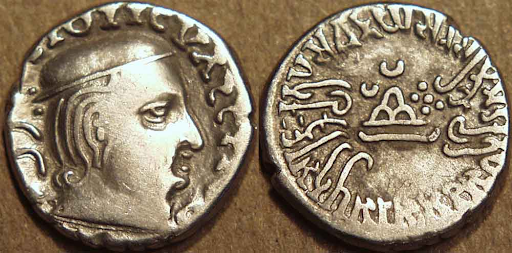
Western Kshatrapas Coinage System
Coins are an important source for understanding Western Kshatrapas in India.
Features explained
- Silver coins were widely used
- Coins had ruler’s name and titles
- Greek and Brahmi scripts were used
Coins show economic strength and cultural influence.
Western Kshatrapas Junagadh Inscription
The Junagadh inscription is one of the most important records related to Western Kshatrapas in India.
Key points explained
- Located near Girnar hills in Gujarat
- Written in Sanskrit
- Issued by Rudradaman I
This inscription gives detailed information about administration and public works.
Sudarshana Lake
One of the main subjects of the Junagadh inscription is the repair of Sudarshana Lake.
Details explained
- Originally built during Mauryan period
- Dam was damaged due to heavy rains
- Repaired by Rudradaman
Importance
- Helped irrigation
- Supported agriculture
- Benefited common people
This shows concern for public welfare.
Western Kshatrapas Language and Culture
Western Kshatrapas in India played a key role in cultural development.
Cultural features explained
- Promotion of Sanskrit
- Influence of Indian traditions
- Development of art and literature
The use of Sanskrit in inscriptions marked a major change.
Western Kshatrapas in India Key Features
The Western Kshatrapas, also known as the Indo-Scythians, were a prominent power in western and central India, leaving a lasting impact on politics, economy, and culture.
| Aspect | Details |
| Origin | Indo-Scythian |
| Important Ruler | Rudradaman I |
| Regions | Gujarat, Malwa |
| Language | Sanskrit |
| Script | Brahmi |
| Economy | Agriculture, Trade |
| Coinage | Silver coins |
Western Kshatrapas Military Strength
The Western Kshatrapas maintained a well-organized and powerful military, which was crucial for protecting their empire and expanding their influence.
Role of the Military:
- Protected Territories: Their army ensured security across regions like Gujarat and Malwa, guarding cities, trade centers, and agricultural lands.
- Controlled Trade Routes: By maintaining military presence along key roads, they secured trade routes, which were vital for commerce and revenue.
- Defeated Enemies: They successfully fought against rivals, including the Satavahanas, to expand and consolidate their rule.
Join UGC NET Coaching in Jaipur
Western Kshatrapas Relations with Satavahanas
The Western Kshatrapas and Satavahanas were often in conflict, primarily due to competition over control of trade routes and fertile regions.
- Frequent Wars: Both powers fought repeatedly, with territories often changing hands.
- Impact on Politics: These conflicts shaped the political history of western and central India, influencing the rise and fall of regional powers.
Strengths of Western Kshatrapas
Despite challenges, the Western Kshatrapas had several strengths that ensured the longevity of their rule:
- Strong Rulers: Leaders like Rudradaman I provided capable governance and military leadership.
- Control over Trade Routes: Securing trade routes brought wealth and economic stability.
- Cultural Integration: They adopted local customs and languages, blending Central Asian and Indian traditions.
- Efficient Administration: Use of officials and local governance allowed effective control over their regions.
These factors helped them survive for centuries despite external pressures.
Weaknesses
The empire also had notable vulnerabilities:
- Continuous Wars: Ongoing conflicts with the Satavahanas drained resources.
- Dependence on Trade: Heavy reliance on trade meant economic fluctuations could weaken the state.
- Weak Successors: After strong rulers like Rudradaman I, successors lacked capability, leading to decline.

Decline of Western Kshatrapas
By the 4th century CE, the Western Kshatrapas gradually lost power due to multiple factors:
- Rise of the Gupta Empire: The expansion of the Guptas overshadowed regional powers like the Kshatrapas.
- Internal Conflicts: Disputes within the ruling family weakened central authority.
- Weak Leadership: Inability of later rulers to maintain strong administration and military presence led to gradual erosion of power.
The Western Kshatrapas were powerful and culturally adaptive rulers who maintained strong trade and military systems. However, constant wars, dependence on commerce, and weak successors ultimately led to their decline, paving the way for the rise of the Gupta Empire.