
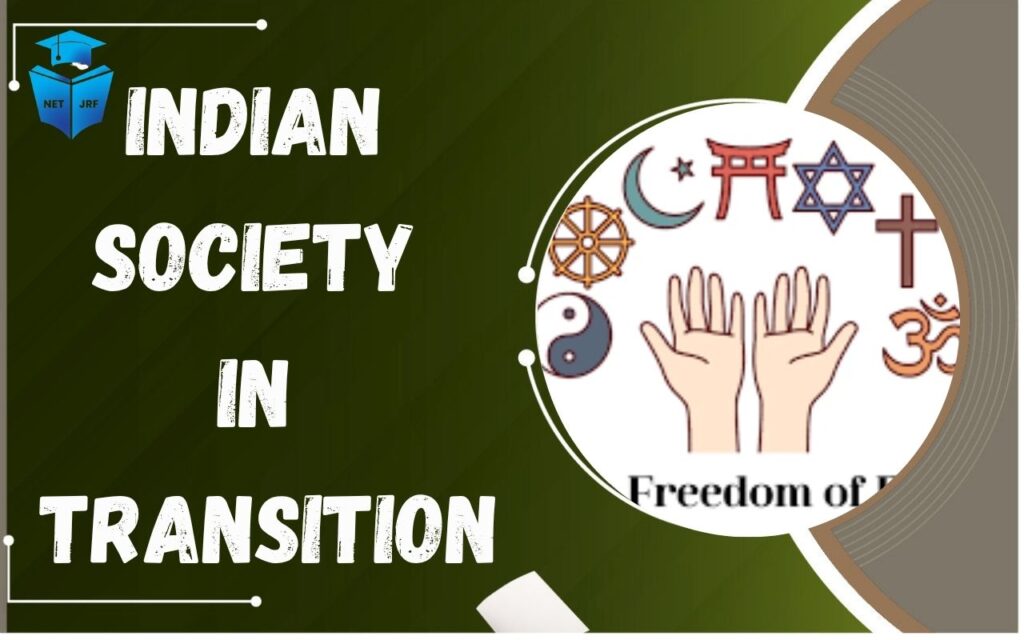
Critique of Indian Religious Beliefs emerged as an important intellectual development during the nineteenth century when Indian society experienced deep social and cultural transformation. Reformers, scholars, missionaries, and educated Indians began to question several traditional practices and religious customs that had dominated social life for centuries.

The encounter between Indian traditions and Western ideas during colonial rule created new debates about religion, society, and morality. Many thinkers examined ancient scriptures, criticized superstitions, and advocated reforms that could improve social conditions. The Critique of Indian Religious Beliefs therefore became a powerful force in shaping modern Indian thought.
Enroll UGC NET Foundation Course
Historical Religious Criticism
During the eighteenth and nineteenth centuries, India witnessed major changes due to British rule, modern education, and the spread of printing technology.
- Western philosophy, rational thinking, and scientific ideas reached Indian intellectual circles. These ideas encouraged many thinkers to examine religious traditions critically.
- The Critique of Indian Religious Beliefs developed in response to several social practices that reformers considered harmful or outdated. These included caste discrimination, child marriage, and restrictions on women.
- This intellectual climate gave rise to numerous debates about the true meaning of religion and its role in society.
Critique of Indian Religious Beliefs Sources
The Critique of Indian Religious Beliefs emerged from different social and intellectual influences.
1. Western Education
English education introduced Indians to modern philosophy, science, and rational thought. Students studying Western ideas began to question traditional customs.
2. Christian Missionary Influence
Missionaries criticized many social practices in India and promoted Christian ethics and moral teachings. Their criticism encouraged Indian reformers to re-examine their own religious traditions.
3. Indian Reform Movements
Indian social reformers themselves initiated debates about religion and society. They tried to purify religious practices and remove superstition.
4. Print Culture
The expansion of newspapers, books, and pamphlets allowed intellectual discussions about religion to reach a wider audience.
These factors collectively contributed to the growth of religious criticism in modern India.
Critique of Indian Religious Beliefs and Social Practices
Many reformers argued that certain religious customs had lost their original spiritual meaning.
Social Practices Under Criticism
Several practices became subjects of debate:
- Sati system
- Child marriage
- Caste discrimination
- Restrictions on widow remarriage
- Ritualistic practices without moral values
Reformers believed that religion should promote ethical living rather than social inequality.
The Critique of Indian Religious Beliefs therefore aimed to reinterpret religion in a way that supported justice and social progress.
Join UGC NET Online Test Series
Role of Reform Movements
Various social and religious reform movements played a crucial role in spreading critical ideas about religion.
Major Reform Movements
| Reform Movement | Founder | Key Idea |
| Brahmo Samaj | Raja Ram Mohan Roy | Monotheism social reform |
| Arya Samaj | Swami Dayanand Saraswati | Return to Vedic principles |
| Prarthana Samaj | M.G. Ranade | Religious reform social equality |
These movements encouraged the Critique of Indian Religious Beliefs by promoting rational interpretation of religious texts.

Intellectual Approaches to Religious Reform
The Critique of Indian Religious Beliefs involved different intellectual strategies used by reformers.
-
Reformist Interpretation of Scriptures
-
-
- Many reformers argued that ancient scriptures actually supported equality and moral conduct. They believed that later interpretations had distorted the original teachings.
-
-
Rational Criticism
-
-
- Some thinkers used logical reasoning to challenge superstitions and ritualistic practices.
-
-
Ethical Emphasis
-
- Reformers emphasized that religion should focus on ethical values such as compassion, justice, and truth.
- These approaches helped create a new understanding of religion in modern India.
Influence of Christian Criticism
Christian missionaries strongly criticized several aspects of Indian religious life.
Areas of Criticism
Missionaries often attacked:
- Idol worship
- Caste hierarchy
- Ritual sacrifices
These criticisms provoked debates among Indian scholars and reformers.
Some intellectuals responded by defending Indian traditions, while others supported reform efforts.
This interaction intensified the Critique of Indian Religious Beliefs within Indian society.
Join UGC NET Offline Coaching in Jaipur
Comparison of Traditional and Reformist Views
This comparison shows how religious thinking evolved during the nineteenth century.
Critique of Indian Religious Beliefs vs Traditional Interpretations
| Aspect | Traditional View | Reformist View |
| Religious authority | Priests scriptures | Rational interpretation |
| Social hierarchy | Accepted caste order | Equality emphasized |
| Ritual practices | Central to religion | Moral values emphasized |
| Women’s position | Restricted roles | Support for reform |
This comparison shows how religious thinking evolved during the nineteenth century.
Impact on Indian Society
The Critique of Indian Religious Beliefs had significant consequences for social transformation.
The critique of Indian religious beliefs during the colonial period played a key role in social transformation. Debates led by reformers helped promote women’s education, encourage widow remarriage, challenge caste discrimination, and raise awareness about social justice. Over time, these efforts influenced legislation and public opinion, laying the groundwork for a more progressive and modern Indian society.
Political Influence of Religious Reform
Religious criticism also played an indirect role in the development of political consciousness.
Connection with Nationalism
- Reform movements encouraged Indians to rethink their cultural identity. They emphasized pride in ancient traditions while supporting social reform.
- This combination strengthened national awareness during the freedom struggle.
- As a result, the Critique of Indian Religious Beliefs contributed to intellectual foundations of modern Indian nationalism.
Role of Education and Public Debate
Modern educational institutions became centers for intellectual discussion.
Importance of Public Discourse
Debates about religion appeared in:
- Newspapers
- Public lectures
- Social reform societies
- Educational institutions
- During colonial India, debates about religion and social practices emerged in newspapers, public lectures, social reform societies, and educational institutions.
- These discussions encouraged critical thinking among educated Indians and provided a platform to question orthodox traditions.
- The spread of ideas through print culture books, journals, and newspapers amplified the reach of reformist thought and strengthened the influence of religious and social reform movements across the country.
Legacy of Religious Criticism
The Critique of Indian Religious Beliefs created a lasting impact on Indian society.
- Modern religious thought in India often emphasizes ethical values, social equality, and rational interpretation of scriptures.
- Many contemporary reform movements continue to challenge discrimination and promote inclusive religious practices.
- These developments show that the debate about religion and social reform remains relevant in modern India.
Best UGC NET Offline Classes in Jaipur
Conclusion
The Critique of Indian Religious Beliefs played a crucial role in the transformation of Indian society during the nineteenth and early twentieth centuries. Through debates, reform movements, and intellectual discussions, reformers challenged outdated customs and promoted a more ethical understanding of religion.These efforts helped shape social reform movements, influenced nationalist thought, and encouraged the modernization of religious ideas.

Critique of Indian Religious Beliefs in Modern India FAQs

2. Why did religious criticism emerge in modern India?
Religious criticism in modern India emerged due to Western education, missionary influence, social reform movements, and exposure to modern ideas. Educated Indians began questioning orthodox practices and sought to align religion with rationality, ethics, and social progress.
3. Which social practices were criticized by reformers?
Reformers targeted social practices that oppressed women and marginalized groups, such as sati (widow immolation), child marriage, caste discrimination, and restrictions on women’s education and rights. These critiques aimed to modernize society while retaining core ethical values.
4. What role did reform movements play in religious criticism?
Reform movements promoted rational interpretation of scriptures and encouraged legislation and social practices that improved the status of women and marginalized groups. Organizations and reformers provided platforms for debate, education, and advocacy, creating a progressive social consciousness.
5. How did missionaries influence religious debates?
Christian missionaries influenced religious debates by criticizing traditional practices and promoting discussions on morality, education, and ethical values. Their efforts, combined with reformers’ work, stimulated public discourse and helped Indians reconsider outdated customs in light of modern principles.