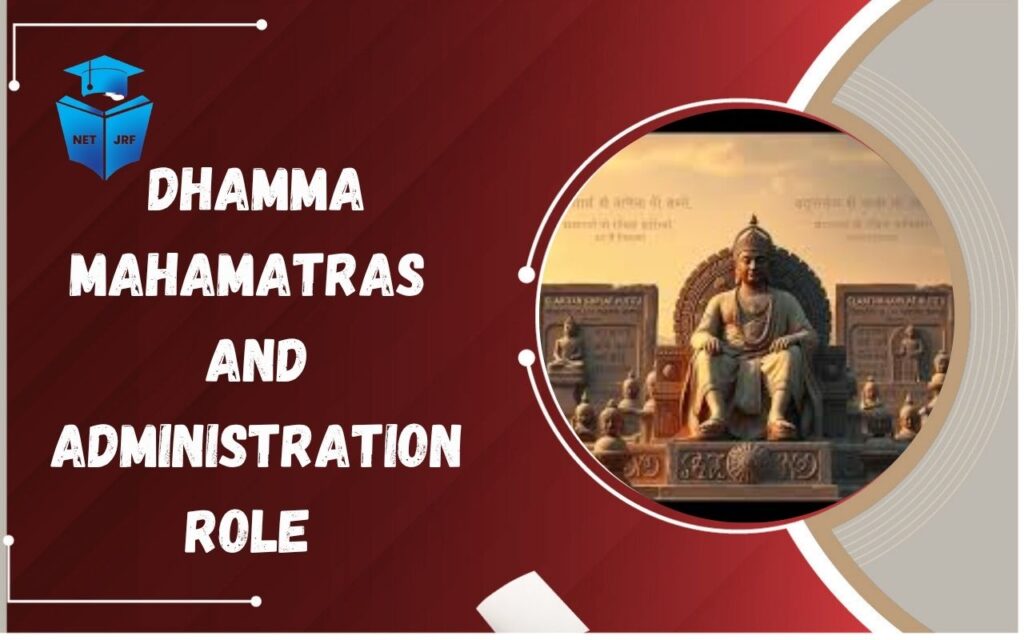
Dhamma Mahamatras and administration formed a unique feature of governance under Ashoka. After the Kalinga war, Ashoka changed his approach to ruling. He focused more on moral values, welfare of people, and ethical governance. This shift led to the creation of special officers known as Dhamma Mahamatras, who worked to spread moral values across the empire.

Join UGC NET Foundation Batch Online
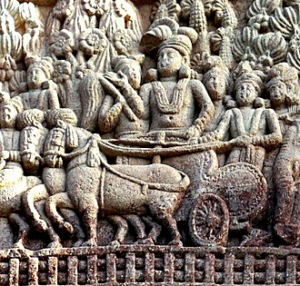
Dhamma Mahamatras and Administration About
Dhamma Mahamatras and administration refers to the system where special officials were appointed to promote Dhamma, or moral law, along with regular governance.
- These officers were different from normal administrative officials.
- Their main focus was not revenue or law enforcement, but ethical conduct and social harmony.
Ashoka’s Dhamma Background
Dhamma Mahamatras and administration cannot be understood without knowing Ashoka’s Dhamma.
What is Dhamma
- Moral code of conduct
- Focus on kindness and respect
- Emphasis on non-violence
It was not a new religion. It was a practical guide for a good life.
- the role of Dhamma Mahamatras and administration, it is important to first understand the idea of Dhamma introduced by Ashoka in the Mauryan Empire.
- Dhamma was a moral code of conduct that guided people on how to live a good and responsible life. It was based on simple values that could be followed by everyone in society, regardless of their background.
- Its main focus was on kindness and respect. People were encouraged to treat others with compassion, care for elders, and show tolerance towards different beliefs and traditions.
- Another important aspect of Dhamma was the emphasis on non-violence. Ashoka strongly promoted peaceful behavior and discouraged cruelty, both in personal life and in governance.
Why Ashoka introduced Dhamma Mahamatras
Dhamma Mahamatras and administration started because Ashoka wanted to change society.
Main reasons
- To reduce violence
- To promote harmony among religions
- To ensure welfare of people
He believed administration should care for people, not just control them.
Dhamma Mahamatras Duties
Dhamma Mahamatras and administration included many responsibilities.
Key duties
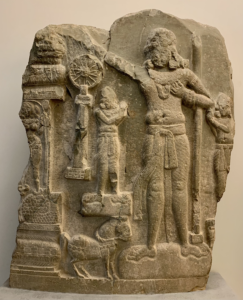
- The Dhamma Mahamatras were special officers appointed by Ashoka during the Mauryan Empire. Their main role was not just administrative but also moral and social. They worked to promote the idea of Dhamma, which meant ethical living, kindness, and respect for others.
- One of their most important duties was to spread Dhamma among the people. They encouraged values like non-violence, tolerance, and compassion so that society could live in peace. Instead of forcing rules, they guided people to follow a better way of life.
- They also took care of vulnerable sections of society. The Dhamma Mahamatras paid special attention to women, the elderly, and the poor. They ensured that these groups were treated properly and their needs were not ignored.
- Another key responsibility was to maintain justice and fairness. They checked whether people were being treated equally and whether laws were applied in a just manner. This helped reduce cruelty and misuse of power.
- In addition, they supervised other officials. If any officer acted unfairly or neglected their duty, the Dhamma Mahamatras reported it and ensured corrective action was taken. This made the administration more responsible and people-friendly.

Dhamma Mahamatras and Administration Structure
how moral officers worked with regular officials.
| Role | Function |
| Dhamma Mahamatras and administration officers | Promote moral values |
| Rajukas | Local administration |
| Pradesikas | Provincial officers |
| Yukta | Record keepers |
Dhamma Mahamatras Social Harmony
Dhamma Mahamatras and administration played a key role in maintaining peace.
Their contribution
- Reduced conflicts
- Promoted religious tolerance
- Encouraged mutual respect
They helped people live together peacefully.
- The Dhamma Mahamatras played an important role in creating social harmony during the rule of Ashoka in the Mauryan Empire. Their work focused on building a peaceful and balanced society.
- One of their major contributions was reducing conflicts among people. They encouraged calm discussions and discouraged violence or harsh behavior, which helped in resolving disputes peacefully.
- They also promoted religious tolerance. At a time when different beliefs existed, the Dhamma Mahamatras advised people to respect all religions. They made sure that no group was insulted or treated unfairly because of their faith.
- Another important role was encouraging mutual respect in society. They taught people to treat others with kindness and understanding, regardless of social status or background. This helped in building trust among communities.
Dhamma Mahamatras Welfare Activities
Dhamma Mahamatras and administration focused on welfare.
Major activities
- The Dhamma Mahamatras played a significant role in welfare activities during the rule of Ashoka in the Mauryan Empire. Their work reflected the idea of a compassionate and people-centered administration.
- One of their main duties was to help the poor and needy. They ensured that basic support reached those who were suffering or lacked resources, so that no section of society was ignored.
- They also looked after prisoners. Instead of treating them harshly, efforts were made to ensure fair treatment and humane conditions. In some cases, they even recommended relief measures, showing a more reform-oriented approach.
- Another important area was women’s welfare. The Dhamma Mahamatras worked to protect the rights and dignity of women and made sure their concerns were heard in the administration.
- Overall, these welfare activities show that Ashoka aimed to build a caring government. His administration was not only about control and power but also about compassion, support, and the well-being of all people.
Dhamma Mahamatras Role in justice system
Dhamma Mahamatras and administration also influenced justice.
Features
- Fair treatment
- Reduced harsh punishments
- Emphasis on reform
Justice became more humane.
- The Dhamma Mahamatras had an important influence on the justice system during the rule of Ashoka in the Mauryan Empire. Their role helped make justice more balanced and humane.
- One key feature was ensuring fair treatment for all. They checked that decisions were not biased and that every individual, regardless of status, received equal consideration under the law.
- They also worked to reduce harsh punishments. Instead of strict and severe penalties, there was a shift toward more compassionate approaches. This reflected Ashoka’s belief in kindness and non-violence.
- Another important aspect was the emphasis on reform. The aim was not just to punish offenders but to help them improve and return to society as better individuals. This made the justice system more constructive.
Top UGC NET Coaching in Jaipur
Dhamma Mahamatras Communication through edicts
Dhamma Mahamatras and administration spread ideas through edicts.
Types of edicts
Rock edicts
Pillar edicts
These inscriptions explained Dhamma and duties of officials.
- The Dhamma Mahamatras used royal messages to communicate ideas during the rule of Ashoka in the Mauryan Empire. These messages were known as edicts and were an important part of administration.
- There were mainly two types of edicts. The rock edicts were inscribed on large rocks placed in different parts of the empire so that people living in various regions could read them. The pillar edicts were carved on tall stone pillars, often placed in important public areas where they could easily attract attention.
- Through these inscriptions, important ideas of Dhamma were shared with the public. They explained values like kindness, tolerance, respect for all religions, and proper behavior in daily life.
- The edicts also guided officials, including the Dhamma Mahamatras, about their duties. They were instructed to act fairly, care for people’s welfare, and maintain moral discipline in governance.
- In this way, edicts became a powerful tool of communication. They helped in spreading ethical values and ensured that both the administration and the people followed a path of responsibility and harmony.
Dhamma Mahamatras reforms under Ashoka
Dhamma Mahamatras and administration brought reforms.
Key reforms
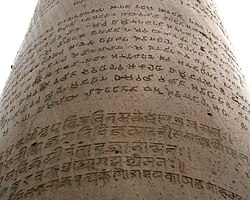
- Under the rule of Ashoka, important administrative reforms were introduced, in which the Dhamma Mahamatras played a key role. These reforms changed the nature of governance in the Mauryan Empire and made it more humane and people-focused.
- One major reform was the introduction of moral governance. Administration was not limited to law and order; it was guided by ethical values like kindness, honesty, and non-violence. Officials were expected to act responsibly and set a good example for society.
- Another important change was the focus on public welfare. The state took active steps to support the well-being of its people, especially the poor, women, and vulnerable groups. This showed that the government cared about the everyday lives of its citizens.
- Better communication was also a key reform. Through inscriptions and regular interaction, the king’s ideas and policies reached people across the empire. This helped in creating awareness and ensuring that officials followed proper guidelines.
Dhamma Mahamatras Relation with other officials
Dhamma Mahamatras and administration worked with other officers.
Coordination
- The Dhamma Mahamatras worked closely with other officials during the rule of Ashoka in the Mauryan Empire. Their role was not separate but connected with the overall administrative system.
- They guided other officials by explaining the principles of Dhamma and encouraging them to follow ethical practices in their work. This ensured that administration was not only efficient but also morally sound.
- They also monitored the activities of officers. If any official misused power or ignored their responsibilities, the Dhamma Mahamatras kept a check on such behavior and helped maintain discipline.
- Another important function was reporting directly to the king. They informed Ashoka about the condition of the people and the performance of officials, which helped in better decision-making.
Dhamma Mahamatras Impact on society
Dhamma Mahamatras and administration changed society.
Effects
- Increased peace
- Better social relations
- Improved moral values
People started following ethical practices.
- The Dhamma Mahamatras had a deep impact on society during the time of Ashoka in the Mauryan Empire. Their efforts brought noticeable changes in the way people lived and interacted with each other.
- One of the main effects was an increase in peace. By promoting non-violence and understanding, conflicts among people were reduced, and society became more stable.
- They also helped in building better social relations. People were encouraged to respect each other, regardless of differences in religion, caste, or status. This created a sense of unity and cooperation.
- Another important impact was the improvement in moral values. The teachings of Dhamma guided people to follow honesty, kindness, and discipline in their daily lives.
Join UGC NET Offline Coaching in Jaipur
Dhamma Mahamatras and administration represents a unique experiment in ancient governance where morality became part of administration. Ashoka tried to create a system based on compassion, welfare, and ethical values.

Dhamma Mahamatras and Administration FAQs

2. Why did Ashoka appoint Dhamma Mahamatras?
Ashoka wanted to reduce violence after Kalinga war.He aimed to create a peaceful society. These officers helped promote moral living.
3. What is Dhamma in Ashoka’s policy?
Dhamma means a moral way of life. It focuses on kindness, respect, non-violence. It was not a religion but a life guide.
4. What were the main duties of Dhamma Mahamatras?
They spread ethical values among people.They cared for poor, women, elderly groups.
They also checked fairness in administration.
5. How did Dhamma Mahamatras promote social harmony?
They encouraged respect among religions.They reduced conflicts through peaceful ideas.
They built unity in society.