

Ashokan Pillars and Stupas Features Structure Importance and Symbolism

vishal

Ashokan Pillars and Stupas

Table of Contents

Ashokan pillars and stupas represent one of the most important achievements of ancient Indian art and architecture during the Mauryan period. These monuments reflect the vision of Emperor Ashoka, who used architecture as a way to communicate moral values, political authority, and religious ideas to the people.

Study Planner

Best UGC NET Online Coaching

Ashokan Pillars and Stupas

Ashokan pillars and stupas Historical background 

The development of Ashokan pillars and stupas took place during the reign of Ashoka in the 3rd century BCE.

  •  After the Kalinga War, Ashoka adopted Buddhism and focused on spreading the message of Dhamma. Instead of using force, he chose communication, ethics, and welfare policies.
  • To spread his ideas across a vast empire, he used pillars and stupas as tools. These structures were placed in important locations so that people could easily see them. Through inscriptions and symbolic designs, Ashokan pillars and stupas became a medium of public instruction.
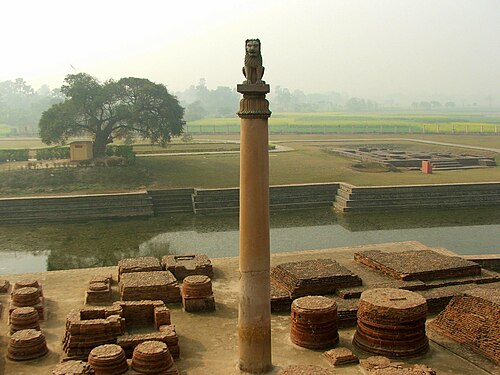
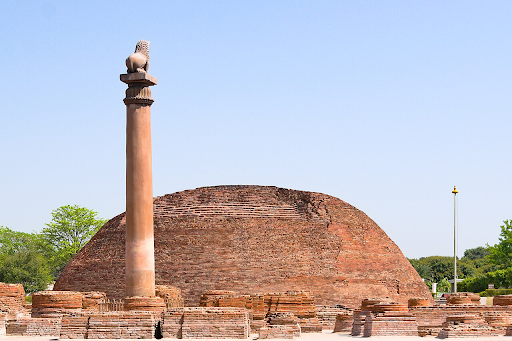
Pillars of Ashoka

Ashokan pillars and stupas Features 

One of the most remarkable aspects of Ashokan pillars and stupas is the use of high-quality stone. The pillars were carved from a single piece of sandstone, which shows advanced engineering skills. The smooth surface, known as Mauryan polish, gave them a shiny and elegant appearance.

The stupas, on the other hand, were built using bricks and later covered with stone. Their construction required careful planning and skilled labor.

  • Artistic excellence

      • The artistic quality of Ashokan pillars and stupas is very high.
      •  The carvings are precise and well-balanced. Animal figures like lions, bulls, and elephants are shown with great detail. This reflects the creativity and observation skills of the artists.
  • Uniformity and planning

    • Another important feature is uniformity. Many pillars follow a similar design pattern, which suggests centralized planning. 
    • This organized approach shows the administrative strength behind Ashokan pillars and stupas.

Ashokan pillars and stupas as tools of governance

Ashoka used Ashokan pillars and stupas not just as religious symbols but also as tools of governance. The inscriptions on pillars contained messages related to moral values, respect for elders, kindness to animals, and social harmony. These messages helped in creating a sense of unity across the empire. People from different regions could understand the same ideas. In this way, Ashokan pillars and stupas played an important role in maintaining order and stability.

Join UGC NET Online Course

Ashokan pillars Structure

  • Monolithic design

      • The pillars were made from a single piece of stone. This monolithic structure made them strong and durable. It also required advanced technical knowledge.
  • Shaft and capital

      • Each pillar had a long shaft and a capital at the top. The capital was often decorated with animal figures. The lion capital is the most famous example, which later became the national emblem of India.
  • Inscriptions

    • The inscriptions on the pillars were written in simple language so that common people could understand them. These inscriptions are an important source of historical information about Ashokan pillars and stupas.

Ashokan pillars and stupas Key Differences

the differences within Ashokan pillars and stupas, helping students understand their unique roles

Feature Pillars Stupas
Structure Tall stone column Dome-shaped structure
Material Single stone block Brick with stone covering
Purpose Spread royal messages Preserve relics
Design Polished surface with capitals Simple dome with pathway

App JRF Adda

Ashokan period Stupas 

Stupas form an essential part of Ashokan pillars and stupas. These structures were mainly built to preserve the relics of the Buddha and other important figures.

  • Religious importance

      • Stupas became centers of worship and meditation. People visited them to show respect and perform rituals. This made them important in the spread of Buddhism.
  • Structure of stupas

      • The structure usually included a dome, a central relic chamber, and a pathway for circumambulation. Each part had symbolic meaning. The dome represented the universe, while the pathway allowed devotees to perform rituals.
  • Role in spreading Buddhism

    • Ashoka built many stupas across his empire. This helped in spreading Buddhist teachings to different regions. In this way, Ashokan pillars and stupas supported religious expansion.

Join UGC NET Coaching in Jaipur

Ashokan pillars and stupas Symbolism 

Symbolism plays a key role in understanding Ashokan pillars and stupas. The designs were not random. Each element had a deeper meaning.

Animal symbols

  • Lions represent power and courage
  • Bulls show strength and stability
  • Elephants symbolize wisdom

These symbols helped communicate ideas without using complex language.
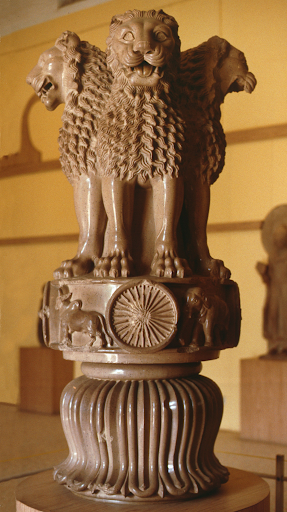
Animal symbols

Wheel symbol

The wheel, also known as the Dharma Chakra, represents law and movement. It shows the continuous progress of moral values.

Through these symbols, Ashokan pillars and stupas conveyed powerful messages in a simple way.
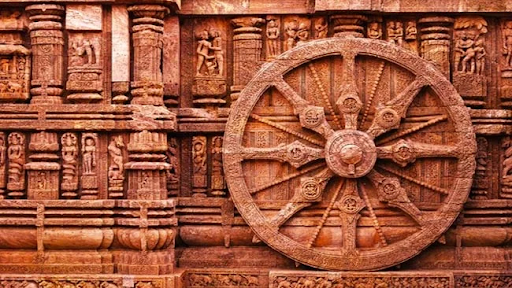
Wheel symbol

 Ashokan Inscriptions and language

The inscriptions found on Ashokan pillars and stupas are very important for historians. They are written in Prakrit language using Brahmi script. Some inscriptions are also found in Kharoshthi script.These inscriptions talk about Ashoka’s policies, his concern for people, and his efforts to promote peace. They provide direct evidence of how rulers communicated with their subjects.
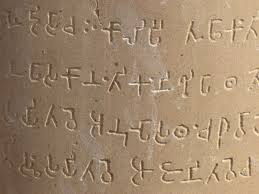
Ashokan Inscriptions and language

Ashokan pillars Influence of foreign styles

The design of Ashokan pillars and stupas shows some influence from Persian and Greek art. The idea of tall pillars with polished surfaces is similar to Persian columns. 

  • The realistic style of animal figures reflects Greek influence.
  • However, these ideas were adapted to Indian conditions. The result was a unique style that became a foundation for later Indian art.
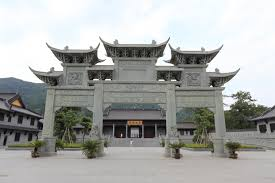
Ashokan pillars Influence of foreign styles

Ashokan pillars and stupas represent a powerful combination of art, architecture, and governance. They reflect Ashoka’s vision of a moral and peaceful society. Through these structures, he communicated ideas that were simple yet meaningful.

JRF Adda Book

Top UGC NET Offline Coaching in Jaipur

Read UGC NET Notes
1 Archaeological Sources for UGC NET Epigraphy – Study of Inscriptions Meaning of Historical Sources Archaeological
2 Meaning of Historical Sources Archaeological Sources for UGC NET Literary Sources in History Archaeological
3 Exploration in Archaeology Excavation Techniques in Archaeology Dating of Archaeological Sites Archaeological
4 Excavation Techniques in Archaeology Exploration in Archaeology Dating of Archaeological Sites Archaeological
5 Epigraphy – Study of Inscriptions Inscriptions in Reconstructing History Numismatics in History Archaeological
6 Inscriptions in Reconstructing History Epigraphy – Study of Inscriptions Archaeological Sources for UGC NET Archaeological
7 Numismatics in History Importance of Coins in History Epigraphy – Study of Inscriptions Archaeological
8 Importance of Coins in History Numismatics in History Archaeological Sources for UGC NET Archaeological
9 Dating of Archaeological Sites Excavation Techniques in Archaeology Dating Ancient Literary Sources Archaeological
10 Indigenous Literature Literary Sources in History Secular Literature as Historical Source Literary
11 Dating Ancient Literary Sources Literary Sources in History Dating of Archaeological Sites Literary
12 Literary Sources in History Indigenous Literature Foreign Accounts of India Literary
13 Foreign Accounts of India Greek Accounts on Ancient India Chinese Accounts on India Literary
14 Greek Accounts on Ancient India Foreign Accounts of India Chinese Accounts on India Literary
15 Secular Literature as Historical Source Literary Sources in History Indigenous Literature Literary
16 Role of Myths and Legends in Historical Reconstruction Literary Sources in History Secular Literature as Historical Source Literary
17 Chinese Accounts on India Foreign Accounts of India Greek Accounts on Ancient India Literary
18 Arabic Accounts on India Foreign Accounts of India Chinese Accounts on India Literary
19 Neolithic and Chalcolithic Phases Neolithic Revolution in India Chalcolithic Culture in India Neolithic
20 Hunting, Gathering & Food Production Neolithic Revolution in India Neolithic Settlements in India Neolithic
21 Neolithic Revolution in India Neolithic Settlements in India Tools and Technology in Neolithic Period Neolithic
22 Neolithic Settlements in India Distribution of Neolithic Cultures in India Neolithic Revolution in India Neolithic
23 Distribution of Neolithic Cultures in India Neolithic Settlements in India Tools and Technology in Neolithic Period Neolithic
24 Tools and Technology in Neolithic Period Neolithic Revolution in India Chalcolithic Culture in India Neolithic
25 Chalcolithic Culture in India Settlement Pattern & Economy in Chalcolithic Phase Trade & Exchange Networks in Chalcolithic Societies Neolithic
26 Settlement Pattern & Economy – Chalcolithic Phase Chalcolithic Culture in India Trade & Exchange Networks in Chalcolithic Societies Neolithic
27 Trade & Exchange Networks – Chalcolithic Societies Chalcolithic Culture in India IVC Internal & External Trade Neolithic
28 Indus Valley Civilization – UGC NET Major Sites of Indus Civilization Urban Planning in Harappan Civilization IVC
29 IVC Internal & External Trade Internal Trade – Harappan Civilization Craft Specialization in Harappan Civilization IVC
30 Political Organization – Harappan Civilization Social Structure – Indus Civilization Urban Planning in Harappan Civilization IVC
31 Major Sites of Indus Civilization Indus Valley Civilization – UGC NET Urban Planning in Harappan Civilization IVC
32 Urban Planning & Settlement – Harappan Civilization Architecture & Town Planning – Harappan Cities IVC as First Urbanization in India IVC
33 Architecture & Town Planning – Harappan Cities Urban Planning in Harappan Civilization Major Sites of Indus Civilization IVC
34 Craft Specialization & Industrial Activities – Harappan Agriculture & Food Economy – Harappans IVC Internal & External Trade IVC
35 Agriculture & Food Economy – Harappans Craft Specialization in Harappan Civilization Internal Trade – Harappan Civilization IVC
36 Internal Trade – Harappan Civilization IVC Internal & External Trade Craft Specialization in Harappan Civilization IVC
37 Religion & Beliefs – Indus Civilization Social Structure – Indus Civilization Indus Valley Civilization – UGC NET IVC
38 Social Structure – Indus Civilization Political Organization – Harappan Civilization Religion & Beliefs – Indus Civilization IVC
39 Decline of Indus Civilization Indus Valley Civilization – UGC NET IVC as First Urbanization in India IVC
40 IVC as First Urbanization in India Urban Planning in Harappan Civilization Second Urbanization in India IVC
41 Vedic & Later Vedic Periods – Aryan Varna System Early Vedic Society and Economy Later Vedic Society and Economy Vedic
42 Origin of Vedic Civilization Aryan Debate – Migration, Invasion & Indigenous Theories Early Vedic Society and Economy Vedic
43 Aryan Debate – Migration, Invasion & Indigenous Theories Origin of Vedic Civilization Early Vedic Society and Economy Vedic
44 Early Vedic Society and Economy Political Institutions – Early Vedic Period Social Structure – Early Vedic Period Vedic
45 Political Institutions – Early Vedic Period Early Vedic Society and Economy Monarchical States in Ancient India Vedic
46 Social Structure – Early Vedic Period Emergence of Varnas & Social Stratification Early Vedic Society and Economy Vedic
47 Later Vedic Society and Economy Emergence of Varnas & Social Stratification Impact of Iron Technology in India Vedic
48 Emergence of Varnas & Social Stratification Social Structure – Early Vedic Period Later Vedic Society and Economy Vedic
49 Emergence of Heterodox Sects in India Jainism, Buddhism & Ajivikas – Origins & Teachings Later Vedic Society and Economy Vedic
50 Impact of Iron Technology in India Later Vedic Society and Economy Agricultural Expansion & Economic Changes – Ancient India Vedic
51 Religious & Philosophical Vedic Ideas Emergence of Varnas & Social Stratification Emergence of Heterodox Sects in India Vedic
52 Megalithic Culture of South India Neolithic and Chalcolithic Phases Agricultural Expansion & Economic Changes General
53 State System in Ancient India Rise of Mahajanapadas Transition: Tribal Polities to Territorial States General
54 Transition: Tribal Polities to Territorial States Rise of Mahajanapadas Later Vedic Society and Economy General
55 Rise of Mahajanapadas Monarchical States in Ancient India Republican States (Gana-Sanghas) – Ancient India Magadha
56 Monarchical States in Ancient India Rise of Mahajanapadas Emergence of Magadha Magadha
57 Republican States (Gana-Sanghas) – Ancient India Rise of Mahajanapadas Monarchical States in Ancient India Magadha
58 Agricultural Expansion & Economic Changes – Ancient India Second Urbanization in India Impact of Iron Technology in India General
59 Second Urbanization in India IVC as First Urbanization in India Rise of Mahajanapadas General
60 Jainism, Buddhism & Ajivikas – Origins & Teachings Emergence of Heterodox Sects in India Ashoka’s Policy of Dhamma General
61 Emergence of Magadha Geographical Advantages of Magadha Early Rulers of Magadha Magadha
62 Geographical Advantages of Magadha Natural Resources & Economic Strength of Magadha Reasons for Success of Magadha Magadha
63 Natural Resources & Economic Strength of Magadha Geographical Advantages of Magadha Economic Policies of the Nandas Magadha
64 Early Rulers of Magadha Haryanka Dynasty – Rise of Magadha Emergence of Magadha Magadha
65 Haryanka Dynasty – Rise of Magadha Expansion Policy of Bimbisara Early Rulers of Magadha Magadha
66 Expansion Policy of Bimbisara Ajatashatru – Military Reforms Haryanka Dynasty – Rise of Magadha Magadha
67 Ajatashatru – Military Reforms Wars of Ajatashatru Expansion Policy of Bimbisara Magadha
68 Wars of Ajatashatru Ajatashatru – Military Reforms Udayin & Establishment of Pataliputra Magadha
69 Udayin & Establishment of Pataliputra Wars of Ajatashatru Shishunaga Dynasty Magadha
70 Shishunaga Dynasty Administrative Structure of the Shishunagas Nanda Dynasty Magadha
71 Administrative Structure of the Shishunagas Shishunaga Dynasty Central Administration Under Mauryas Magadha
72 Nanda Dynasty Mahapadma Nanda – Imperial Expansion Shishunaga Dynasty Magadha
73 Mahapadma Nanda – Imperial Expansion Military Strength of the Nandas Nanda Dynasty Magadha
74 Economic Policies of the Nandas Nanda Dynasty Taxation System – Mauryan State Magadha
75 Military Strength of the Nandas Mahapadma Nanda – Imperial Expansion Defeat of Nandas & Rise of Mauryan Empire Magadha
76 Reasons for Success of Magadha Geographical Advantages of Magadha Natural Resources & Economic Strength of Magadha Magadha
77 Mahajanapadas to Empire – Evolution & Rise of Magadha Rise of Mahajanapadas Emergence of Magadha Magadha
78 Mauryan Empire – Expansion Rise of Chandragupta Maurya Expansion of Mauryan Empire Maurya
79 Rise of Chandragupta Maurya Role of Chanakya in Rise of Mauryan Empire Defeat of Nandas & Rise of Mauryan Empire Maurya
80 Role of Chanakya in Rise of Mauryan Empire Rise of Chandragupta Maurya Defeat of Nandas & Rise of Mauryan Empire Maurya
81 Defeat of Nandas & Rise of Mauryan Empire Military Strength of the Nandas Rise of Chandragupta Maurya Maurya
82 Chandragupta Maurya – Seleucus Treaty & Diplomacy Expansion of Mauryan Empire Greek Accounts on Ancient India Maurya
83 Expansion of Mauryan Empire Chandragupta Maurya – Seleucus Treaty & Diplomacy Kalinga War Maurya
84 Administration of Chandragupta Maurya Central Administration Under Mauryas Mauryan Bureaucracy Maurya
85 Sources for Mauryan History Archaeological Sources for UGC NET Greek Accounts on Ancient India Maurya
86 Central Administration Under Mauryas Provincial Administration – Mauryan Empire Mauryan Bureaucracy Maurya
87 Provincial Administration – Mauryan Empire Local Administration – Mauryan Empire Central Administration Under Mauryas Maurya
88 Local Administration – Mauryan Empire Provincial Administration – Mauryan Empire Mauryan Bureaucracy Maurya
89 Mauryan Bureaucracy Central Administration Under Mauryas Espionage System – Mauryan Empire Maurya
90 Espionage System – Mauryan Empire Mauryan Bureaucracy Central Administration Under Mauryas Maurya
91 Ancient India – Trade and Commerce Trade and Commerce Under Mauryas Agrarian Economy – Mauryan Period Maurya
92 Agrarian Economy – Mauryan Period Taxation System – Mauryan State Trade and Commerce Under Mauryas Maurya
93 Trade and Commerce Under Mauryas Ancient India – Trade and Commerce Agrarian Economy – Mauryan Period Maurya
94 Taxation System – Mauryan State Agrarian Economy – Mauryan Period Economic Policies of the Nandas Maurya
95 Kalinga War Ashoka’s Policy of Dhamma Expansion of Mauryan Empire Maurya
96 Ashoka’s Policy of Dhamma Nature & Philosophy of Dhamma Kalinga War Maurya
97 Nature & Philosophy of Dhamma Ashoka’s Policy of Dhamma Jainism, Buddhism & Ajivikas Maurya

Ashokan pillars and stupas FAQs

Loader image

They carry inscriptions that explain Ashoka’s policies and values.

Stupas were built to preserve relics and serve as places of worship.

Pillars were made of sandstone, while stupas were built using bricks and stone.

Most inscriptions are in Prakrit using Brahmi script.

Common symbols include lions, bulls, elephants, and the Dharma Chakra.

They spread messages of Dhamma and helped maintain unity.

Leave a Reply

Recent Posts
Aditi

Aditi Sharma, founder of JRFAdda, is a Computer Science educator with an MCA degree and JRF qualification (99.91 percentile, Dec 2019). Her experience includes roles as an SBI SO (DBA), work at Cognizant, and over 5 years of teaching online and offline. She has also served as a Government Computer Teacher in Rajasthan.