

Mauryan art stands as one of the earliest powerful expressions of creativity in ancient India. It clearly shows the strength, vision, and organized rule of the Mauryan kings, especially Ashoka. This period marks a turning point because for the first time, large-scale construction in stone became common. Before this, most buildings were made of wood, which could not last long. The shift to stone made structures stronger and more permanent, giving a new direction to Indian art and architecture.

Mauryan Art Features
The most striking feature of Mauryan art is its advanced level of craftsmanship and finish. Artists of this period developed a unique technique of polishing stone so smoothly that it almost looked like glass.
- This polish became a signature style and is often referred to as the Mauryan polish.
- Another important feature is the large scale of construction. The Mauryan rulers built massive pillars, stupas, and caves, which required careful planning and skilled labor. These structures were not just artistic but also functional and symbolic.
- They represented the strength of the empire and the authority of the ruler.
- Royal patronage also played a major role. Ashoka, in particular, actively supported artistic activities. He used art as a tool to spread his ideas of Dhamma, which focused on moral values and social harmony. Because of this support, Mauryan art reached a high level of development.
Mauryan Architecture
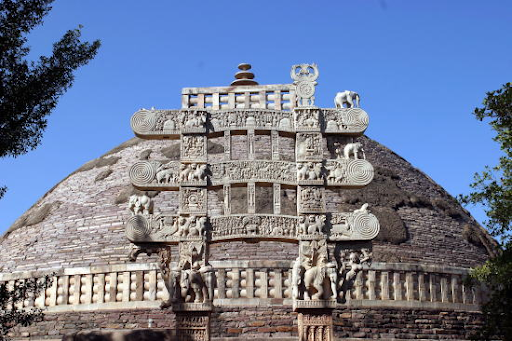
When we study Mauryan art, we must also look at its architectural achievements. The architecture of this period shows a combination of beauty and practicality.
- Buildings and monuments were designed in a way that they served a purpose while also conveying a message.
- For example, stupas were not just architectural structures.
- They were religious centers where people could gather and perform rituals. Similarly, pillars were not only decorative but also carried inscriptions that communicated royal orders and moral teachings.
- This combination of function and symbolism makes Mauryan art unique and meaningful.
Best UGC NET Foundation Course
Pillars of Ashoka
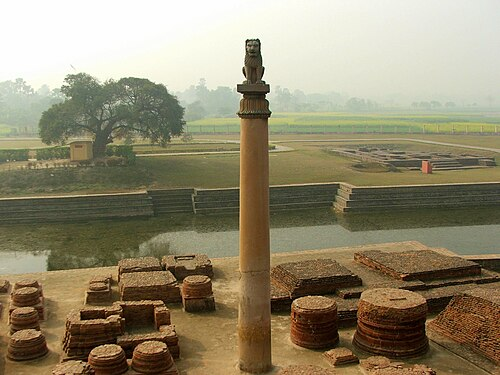
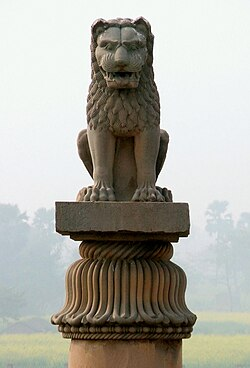
The pillars built during Ashoka’s reign are among the finest examples of Mauryan art. These pillars were made from a single piece of stone, which shows the advanced level of engineering skills at that time. They were tall, smooth, and perfectly polished, making them visually impressive.
- At the top of these pillars, beautifully carved animal figures were placed. The lion capital is the most famous among them. It represents power, courage, and authority. Today, it has been adopted as the national emblem of India, which shows the lasting importance of Mauryan art.
- These pillars were placed at important locations across the empire. They carried inscriptions that spread Ashoka’s message of Dhamma. In this way, the pillars served both artistic and communicative purposes.

Mauryan Art Major Forms
the main forms of Mauryan art and their significance in a simple way.
| Form | Description | Importance |
| Pillars | Stone columns with polish | Symbol of royal authority |
| Stupas | Dome-shaped religious structures | Spiritual importance |
| Caves | Rock-cut shelters | Monastic use |
| Sculptures | Carved figures | Artistic expression |
Join UGC NET Coaching in Jaipur
Mauryan Art Stupas
Stupas are another important feature of Mauryan art. These structures were built mainly for religious purposes.
- They were used to preserve the relics of important figures, especially the Buddha. Because of this, stupas became sacred places for worship and meditation.
- The structure of a stupa is simple yet meaningful. It usually consists of a dome-shaped mound, which symbolizes the universe.
- Around the stupa, there is a path where people can walk as part of their ritual practices. This design shows how Mauryan art combined simplicity with deep spiritual meaning.
- Ashoka played a key role in promoting stupas.
- He is believed to have built many stupas across his empire to spread Buddhist teachings. This shows how art and religion were closely connected during this period.
Mauryan Art Rock-Cut Caves
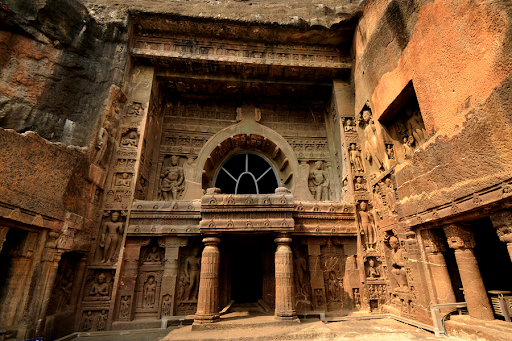
Rock-cut caves are another remarkable example of Mauryan art. These caves were carved out of solid rock and were mainly used by monks for living and meditation.
- The Barabar caves are the most famous examples from this period.
- What makes these caves special is their polished interior. The walls are so smooth that they reflect light, creating a unique visual effect. This again shows the high level of skill achieved in Mauryan art.
- The design of these caves is simple and practical. There is no unnecessary decoration. This simplicity reflects the lifestyle of monks, who valued peace and minimalism. At the same time, the technical perfection of these caves highlights the excellence of Mauryan craftsmanship.
Mauryan Art Sculptures
Sculptures form an important part of Mauryan art. These include both human and animal figures. The animal sculptures, especially those found on pillars, are very realistic and detailed. They show the keen observation skills of the artists.
- Human figures from this period are fewer but still significant. They reflect the social and cultural life of the time.
- The style of sculpture is natural and balanced, which gives it a lifelike quality.
- The use of polished stone in sculptures adds to their beauty. This smooth finish makes them stand out from earlier works. Overall, sculptures in Mauryan art show a perfect blend of creativity and technical skill.
Foreign Art Influence
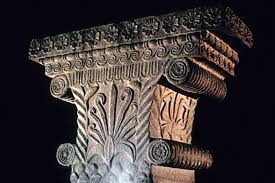
The development of Mauryan art was not completely isolated. It was influenced by other cultures, especially Persian and Greek.
- The idea of building tall stone pillars with polished surfaces shows a clear influence of Persian art. Similarly, the realistic style of animal figures reflects Greek artistic traditions. These influences were adapted and combined with local styles, creating a unique form of Mauryan art.
- This cultural exchange shows that the Mauryan Empire was connected with other parts of the world. It also highlights the openness of Indian art to new ideas and techniques.
Mauryan Art Symbolism
One of the most interesting aspects of Mauryan art is its use of symbolism.
Top UGC NET Offline Classes in Jaipur
- Art during this period was not just for decoration. It carried deep meanings and messages.
- Animals like lions, bulls, and elephants were used as symbols of power, strength, and wisdom. Similarly, the placement of pillars and inscriptions conveyed the authority of the king. These symbols helped people understand the values and ideas promoted by the ruler.
- In this way, Mauryan art acted as a medium of communication between the state and the people. It made complex ideas simple and accessible.
Conclusion
Mauryan art represents a major turning point in the history of Indian art and architecture. It introduced new techniques, large-scale construction, and meaningful symbolism. The use of stone, polished finish, and royal support made this period unique.